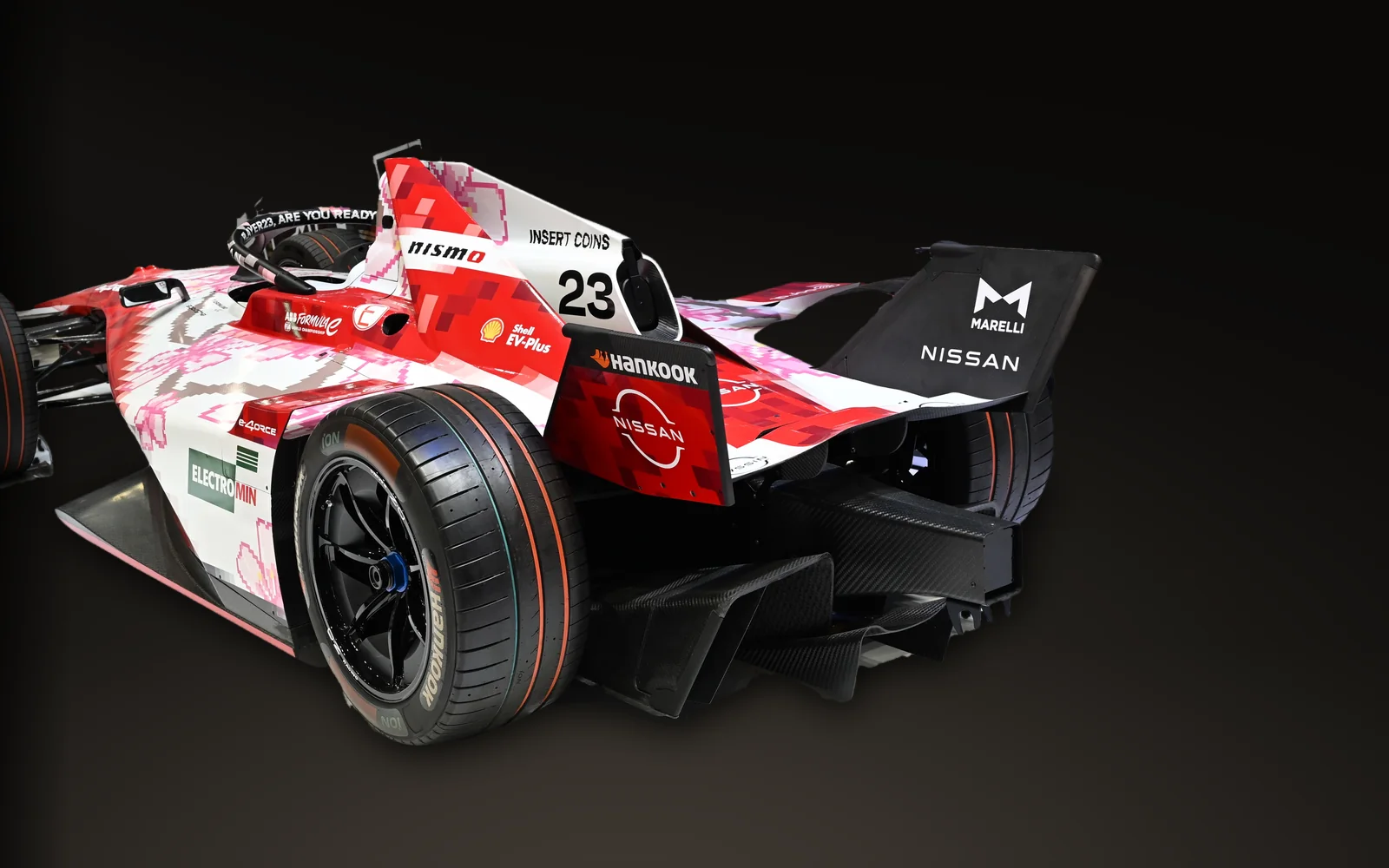
Photo of a red and white Nissan Formula E Gen3 Evo, its pointed nose, two-element front wing and halo, cut out onto a dark background

Formula E Gen3 Evo 0-60, top speed and the quarter mile, explained

1.82 s to 60 on Formula E's claim, which its CEO says the FIA timed. All-wheel drive only when the rules allow it, and no showroom will sell you one.

Photo: TTTNIS, CC0, Japan Mobility Show 2025, cut out and placed on a dark background by us.

How fast is the Formula E Gen3 Evo?

Formula E and the FIA claim the Gen3 Evo reaches 60 mph in 1.82 seconds claimed and 100 km/h in 1.86 s claimed, which they call 30% quicker than a current F1 car (Formula E). CEO Jeff Dodds said it was done on track at Misano and "really timed by the FIA" (Engadget), but no driver, date, surface or rollout rule was published. The quoted top speed is 200 mph claimed (Formula E); the original Gen3's best race speed was 172 mph reported (The Race).

Nobody has timed one over a quarter mile, so our race uses 9.00 s at 150 mph estimate, our own figure. It's a spec race car, raced by 11 teams in 2024-25 and 10 in 2025-26, never sold, and it ran its last race in London on August 16, 2026.

A race car you can't buy

Every team races the same chassis from Spark Racing Technology, the same WAE battery and the same front motor kit from Atieva, Lucid's engineering arm. Manufacturers such as Porsche, Jaguar and Nissan build only the rear powertrain, and those parts were homologated afresh for the Evo (Formula E). There is no price list and no road version; teams ordered new cars rather than converting old ones (Racer).

It was the mid-life update of the Gen3, revealed in Monaco on April 25, 2024. Dodds remembered seeing the plan and asking: "Why isn't this GEN4?" (Racer). It raced for two seasons, 33 races by our count derived.

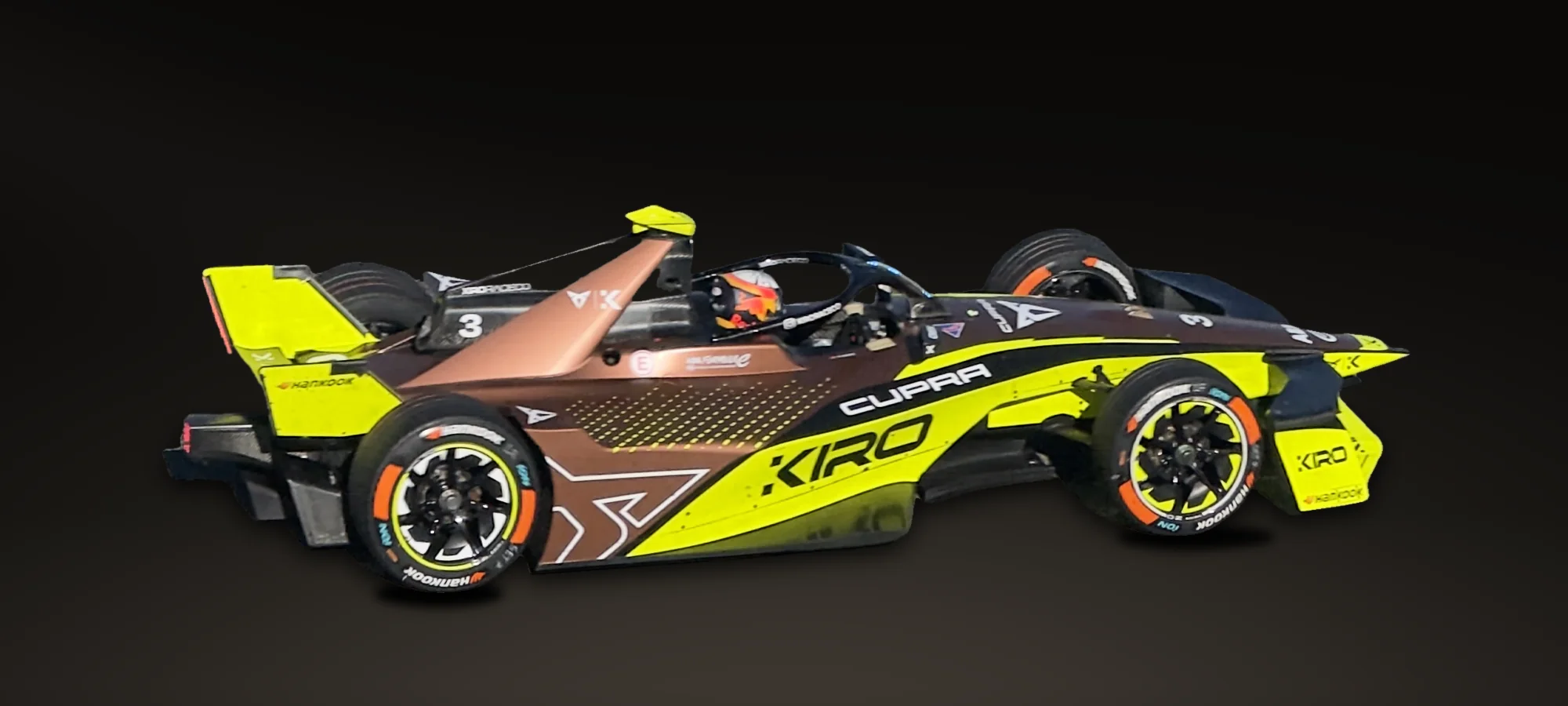
Photo: Byxelized, CC BY-SA 4.0, Valencia test, October 2025, cut out by us; our edit is shared under the same license.

Photo of Pepe Martí's Cupra Kiro Gen3 Evo from the side and slightly above, nose to the right, cut out onto a dark background

Numbers that don't feel real

Every figure carries its label. claimed means Formula E, the FIA or a team said it, without a published timed run. recorded means timed on an actual run: an instrumented test, a certified or verified record run, or a maker's own pass on a drag strip's timing system; none has been published for this car. verified means an official body. reported is press we couldn't trace to a primary source. derived is our math. estimate is modeled for our race because no published figure exists. Here's how we label numbers.

1.82s
0-60 mph with all-wheel drive, timed at Misano. 1.86 s to 100 km/h
claimed Formula E
350kW
Peak power, about 470 hp, in qualifying and Attack Mode. 300 kW in race mode
600kW
Regenerative braking, which Formula E says supplies nearly half the energy for a race
claimed Formula E
200mph
Top speed, a theoretical figure. The original Gen3 peaked at 172 mph in a race
claimed Formula E; 172 mph reported by The Race
859kg
With the driver, 19 kg more than the Gen3 it replaced
reported Racer
1.5g
Average push needed to hit 60 mph in 1.82 s, all the way from a standstill
derived our math
3.85kWh
Energy added by a 30-second, 600 kW Pit Boost, a 10% top-up mid-race
claimed Formula E
70days
Since its last race, the London E-Prix finale, before GEN4 takes over
counted live from August 16, 2026

How was the 1.82 s measured?

Engadget reported that the series had already hit its benchmarks "on track in Misano, Italy," before the reveal, and Dodds told it: "It's not simulated, it's real" (Engadget). That's all that has been published. No driver, date, surface, timing gear or rollout convention, and Dodds added that "slight tweaks" were still to come, though he expected the race car to stay under two seconds. We searched for a famous demo against a McLaren 720S and found no record of one; the public showings were David Coulthard's laps of Monaco two days after the reveal and an animated comparison video.

The gain comes from the front axle. Formula E consultant Dieter Gass said the car "can accelerate below two seconds from 0 to 60 miles per hour and without front wheel drive you're above 2.5 seconds" (The Race). One number doesn't fit: seven weeks earlier, Formula E's 400 kW, all-wheel-drive GENBETA test car set a 0-100 km/h benchmark of 2.49 s (Formula E). Neither release says how it was timed, so we can't reconcile the two.

Formula E acceleration figures, drawn to scale Five bars from zero seconds: the Gen3 Evo's claimed 1.82 seconds to 60 mph, the GENBETA's 2.49 seconds to 100 km/h, the Gen3 Evo without front-wheel drive at more than 2.5 seconds, Formula E's 2.6 seconds for a Formula 1 car, and the original Gen3 at 2.8 seconds, all Formula E figures. 1 s2 s3 s4 s Gen3 Evo, all-wheel drive, 0-60 1.82 GENBETA test car, 0-100 km/h, 2024 2.49 Gen3 Evo, rear drive only 2.5+ Formula 1 car, Formula E's figure 2.6 Original Gen3, 0-60 2.8 0 s Each gridline is 1 s
Bars drawn to scale. All five are Formula E figures claimed, from its Gen3 Evo release, its comparison video, Dieter Gass to The Race and the GENBETA release. Our own count from 2026 F1 race starts is about 2.7 s (F1 car profile).

What's inside the bodywork

Tap a marker. Figures are Formula E claims unless noted. Photo: Byxelized, CC BY-SA 4.0, cut out by us.

Photo of the Cupra Kiro Gen3 Evo from the side, nose to the right

01A tougher front wing

An upper element returned and the front wheels are more covered, for lower drag. Spark also made the wing sturdier after failed wings slid under cars in 2023 and 2024 crashes (The Race).

02The motor that used to only brake

A spec front unit from Atieva, rated at 350 kW but used on the original Gen3 only to harvest up to 250 kW. On the Evo it also drives the front wheels, supplying 50 kW when all-wheel drive is allowed (Wikipedia, citing The Race).

03Attack Mode, armed from here

Drivers trigger Attack Mode by driving over an off-line activation loop. It unlocks 350 kW and all-wheel drive. In season 12 they got one activation per Pit Boost race (Formula E).

04A 47 kWh battery

Built by WAE, about 284 kg, with 38.5 kWh usable in a race (Wikipedia). It takes Pit Boost's 600 kW charge: 3.85 kWh in 30 seconds.

05Where the teams compete

The rear motor, inverter and gearbox, ahead of the rear axle, are the manufacturer's own: 300 kW in race mode, 350 kW in qualifying and Attack Mode (Wikipedia).

06Rear brakes that are mostly motor

Treaded Hankook iON tires on every corner. The rear motor recovers up to 350 kW under braking, and the Gen3 was launched without a conventional rear braking system; small emergency rear discs were added in January 2023 after braking incidents in testing (Motorsport.com).

Four power settings and a pit stop

A Gen3 Evo never has all its hardware working at once. Race mode is rear-wheel drive at 300 kW. Qualifying duels, race starts and Attack Mode add the front motor and go to 350 kW, which is where the 1.82 s claim lives. Under braking, both motors harvest up to 600 kW, and at double-header races every car must stop for Pit Boost, a 30-second, 600 kW charge in a 34-second stop, introduced at Jeddah in February 2025 (Formula E).

Race mode, rear drive300
Starts, duels, Attack Mode, all-wheel drive350
Regenerative braking, both axles600
Pit Boost charging rate600
GEN4 Attack Mode, from December 2026600

Kilowatts, bars out of 700. Regen, Pit Boost and GEN4 claimed by Formula E and the FIA; race and Attack Mode power reported by Wikipedia from The Race.

Why is the quarter mile only an estimate?

Because nobody has run one. Formula E races on street circuits, publishes no standing-start times beyond 0-60 and 0-100 km/h, and no tester has had a Gen3 Evo on a drag strip. Our race gives it 9.00 s at 150 mph estimate, which ties it with the Ferrari F80 and McLaren W1 and puts it 10th of 21.

What is published: 859 kg with the driver reported (Racer), and 350 kW with all-wheel drive in qualifying and Attack Mode against 300 kW, rear drive only, in race mode reported (Wikipedia, citing The Race). In race mode it would be noticeably slower off the line: Formula E's Dieter Gass put 0-60 without front drive above 2.5 s claimed (The Race). Until someone times one, treat 9.00 s as a placeholder.

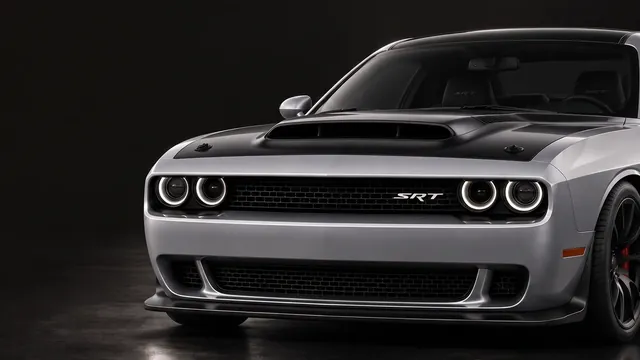
Dodge Demon 170, Dodge's own pass8.91
F1 car, 2026 race starts, median of 538.93
Gen3 Evo, our race estimate9.00
Ferrari F80, our race estimate9.00

Bars show seconds over eight, out of two, so shorter is quicker. Demon recorded on Dodge's own timed pass; F1 derived from timing data on our F1 car profile; race figures estimate.

Gen3, Gen3 Evo, GEN4

The car it replaced and the car replacing it. Figures are Formula E and FIA claims unless noted.

Gen3

2023 to 2024

Formula E's first car with front and rear motors, used for two seasons.

Peak power
350 kW
0-60 mph
2.8 s
Drive
Rear only
Weight
840 kg

The front motor only harvested energy. Weight with driver from Wikipedia; 0-60 from Formula E's comparison video.

Gen3 Evo

2024 to 2026

The same powertrain limits, plus part-time all-wheel drive, grippier tires and new bodywork.

Peak power
350 kW
0-60 mph
1.82 s
Drive
All-wheel, part-time
Weight
859 kg

Weight with driver reported by Racer. 33 races, season 11 and season 12.

GEN4

From December 2026

Unveiled November 5, 2025, first run in public at Paul Ricard on April 21, 2026.

Race power
450 kW
Attack Mode
600 kW
Drive
All-wheel, always
Regen
700 kW

From the FIA. The Andretti team quotes 1.8 s to 60, no quicker on paper than the Evo (Andretti).

From a Monaco reveal to a London finale

Two seasons, two champions, and a successor already testing. Scroll sideways.

913days since the Gen3 Evo was revealed in Monaco
Mar 5, 2024

GENBETA's benchmark

An unlocked 400 kW Gen3 runs 0-100 km/h in 2.49 s with Reem Al Aboud driving claimed.

Apr 25, 2024

Revealed in Monaco

Shown at Prince Albert II's car collection with the 1.82 s claim.

Apr 27, 2024

Coulthard's laps

The ex-F1 driver gives it its first public run on the Monaco streets.

Nov 2024

Pre-season testing

All 22 cars run for the first time in public.

Dec 7, 2024

Last to first

Mitch Evans wins the first Gen3 Evo race, in São Paulo, from the back of the grid.

Feb 14, 2025

Pit Boost arrives

The first mandatory 600 kW charging stop, at Jeddah.

Jul 2025

Rowland's title

Nissan's Oliver Rowland clinches 2024-25 in Berlin with two races to go.

Nov 5, 2025

GEN4 unveiled

600 kW, permanent all-wheel drive, from December 2026.

Dec 6, 2025

The last season opens

Jake Dennis wins in São Paulo.

Apr 21, 2026

GEN4 on track

Its public launch runs at Circuit Paul Ricard.

Aug 16, 2026

The final race

Pascal Wehrlein takes a second title in London by five points, scoring none in the finale.

Oct 2026

Handing over

Teams reveal GEN4 cars; testing at Jarama runs November 16 to 20.

What people are saying

Reaction split four ways. These are opinions, quoted with links.

The pitch

"It's not simulated, it's real."Jeff Dodds, Formula E CEO, Engadget

He added that the 1.82 s was "really timed by the FIA at that speed."

The skeptic

"Formula E previously consistently stated, erroneously as it turned out, that the Gen3 car would regularly reach 200mph."Sam Smith, The Race

The same piece called the Evo "just an interim step" before GEN4.

The driver

"…the performance of the car in general is a big step forward."Oliver Rowland, Nissan, The Race

He tested it before it raced, then won the first Gen3 Evo title.

The F1 view

"It feels a bit more like Formula E on steroids."Max Verstappen on the 2026 F1 cars, ESPN

He meant it as a complaint about F1's new energy rules. More on our F1 car profile.

The consensus: the Evo fixed what drivers hated about the original Gen3, mainly traction, and made Attack Mode worth using. The FIA's Pablo Martino said: "The fundamental part was the four-wheel drive mode, but I think it was a package of improvements too" (The Race). The arguments are about marketing: a 0-60 claim with no published method, a 200 mph top speed the cars don't reach, and an F1 comparison made on Formula E's own F1 number.

Live: news and buzz

Loading the latest…

News

  • Loading news…

Our server pulls these every 15 minutes, and this page checks for new items every 5, from Motorsport.com, Autosport, The Race, Google News, Bing News, Bluesky, and Formula E and the FIA on YouTube. The Gen3 Evo no longer races, so the feed follows Formula E's car and technology news, GEN4 included, and items stay up for 90 days instead of the usual 45. Posts are public and filtered automatically; links open the original.

See it for yourself

Formula E's 0-60 comparison

Formula E · Apr 26, 2024 · 0:51

Coulthard in Monaco

Formula E · Apr 29, 2024 · 1:39

The FIA's first look

FIA · Apr 26, 2024 · 6:55

Driver61 explains the cars

Driver61 · May 2, 2024 · 16:50

Onboard at its first test

Formula E · Nov 15, 2024 · 6:17

What each car sounds like

Formula E · Nov 14, 2024 · 7:02

Porsche's 99X Electric up close

The Wheel Network · Oct 31, 2024 · 18:29

Formula E against F1

RacingNews365 · Jan 8, 2025 · 10:30

The first Pit Boost race

Formula E · Apr 29, 2025 · 5:01

Pit Boost explained

Formula E · May 30, 2025 · 2:12

What GEN4 changes

FIA · May 13, 2026 · 8:19

Things most people don't know

01

All-wheel drive is rationed

The front motor may drive only in qualifying duels, at race starts and in Attack Mode. The rest of the race is rear-wheel drive.

Formula E

02

No extra power, just more grip

Peak power stayed at 350 kW. In Attack Mode the front axle supplies 50 kW of it, so the gain is traction, not output.

Wikipedia, citing The Race

03

Front drive is worth 0.7 s

Formula E's own numbers, 1.82 s with it and "above 2.5 seconds" without, put the front axle's value at about 0.7 s to 60 derived.

The Race

04

200 mph stayed on paper

The Race reported that the original Gen3's fastest race speed was 172 mph, at Portland in June 2023.

The Race

05

Half the energy comes back

Formula E says regenerative braking supplies nearly 50% of the energy a car uses in a race.

Formula E

06

The pit stop is a charge

Pit Boost adds 3.85 kWh in 30 seconds. Each team has one charger, so two cars can't stop together.

Formula E

07

Treads on a race car

The Hankook tires are treaded all-weather tires. Formula E says variations of them have gone on road cars.

Racer

08

The record car was slower

The 400 kW GENBETA's 2.49 s to 100 km/h came seven weeks before the 350 kW Evo's 1.86 s claim. Neither method is published.

Formula E

09

Its successor isn't quicker to 60

GEN4 has 600 kW in Attack Mode, but the Andretti team quotes its 0-60 as 1.8 s claimed, level with the Evo's claim.

Andretti

Its neighbors on the strip

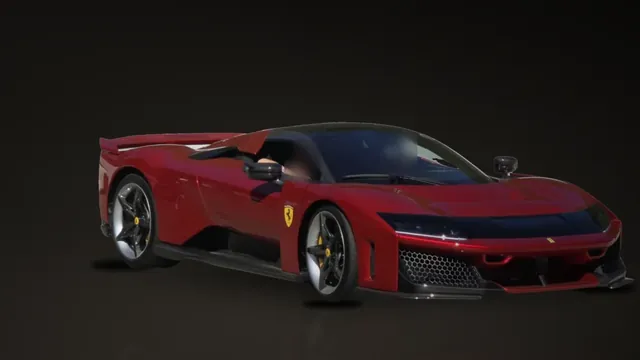
In our quarter-mile model the Gen3 Evo finishes 10th of 21 on its 9.00 s estimate. The Ferrari F80 and McLaren W1 are estimated at 9.00 s too, so the three share a time. The car just quicker and the car just slower:

Card photos: Ferrari F80 by Calreyn88, CC BY-SA 4.0, edited.

Questions people ask

How fast is a Formula E car from 0 to 60 mph?

Formula E and the FIA claim 1.82 seconds for the Gen3 Evo, and 1.86 seconds to 100 km/h. Formula E's CEO says the run was done on track at Misano and timed by the FIA, but Formula E has not published the driver, date, surface or whether rollout was subtracted. The car only gets all-wheel drive at race starts, in qualifying duels and in Attack Mode; Formula E's Dieter Gass said it takes more than 2.5 seconds without front-wheel drive.

Is a Formula E car faster than an F1 car?

Off the line, on Formula E's numbers, yes: it claims the Gen3 Evo is 30 percent quicker to 60 mph than a current F1 car, which Formula E puts at 2.6 seconds. Over a lap, no. An F1 car has far more power and downforce, and the fastest official F1 speed-trap reading of 2026 was 358.2 km/h, against the Gen3 Evo's claimed top speed of 322 km/h.

What is the top speed of a Formula E car?

Formula E quotes 200 mph (322 km/h) for the Gen3 Evo. That is a theoretical figure. The Race reported that the original Gen3 never got near it in a race, peaking at 172 mph at Portland in 2023, and suggested 180 to 185 mph might be achievable for the Evo.

How much horsepower does a Formula E car have?

The Gen3 Evo is limited to 350 kW, about 470 hp, in qualifying and Attack Mode, and 300 kW, about 400 hp, in race mode. In Attack Mode, 50 kW of the 350 comes from the front motor. Under braking the two motors can recover up to 600 kW. With the driver it weighs 859 kg, according to Racer.

Can you buy a Formula E car?

No. The Gen3 Evo is a spec racing car, raced by 11 Formula E teams in 2024-25 and 10 in 2025-26. Spark Racing Technology makes the chassis, WAE the battery and Lucid's Atieva the front motor, while manufacturers develop the rear powertrain. It isn't sold to the public, has no price list and isn't road legal.

What replaces the Gen3 Evo, and when?

GEN4, unveiled by the FIA and Formula E on November 5, 2025. It has 450 kW in race mode, 600 kW in Attack Mode, permanent all-wheel drive and 700 kW of regeneration, and it races on Bridgestone tires. It debuts at the Jeddah season opener on December 18 and 19, 2026. The Gen3 Evo's last races were in London on August 15 and 16, 2026.

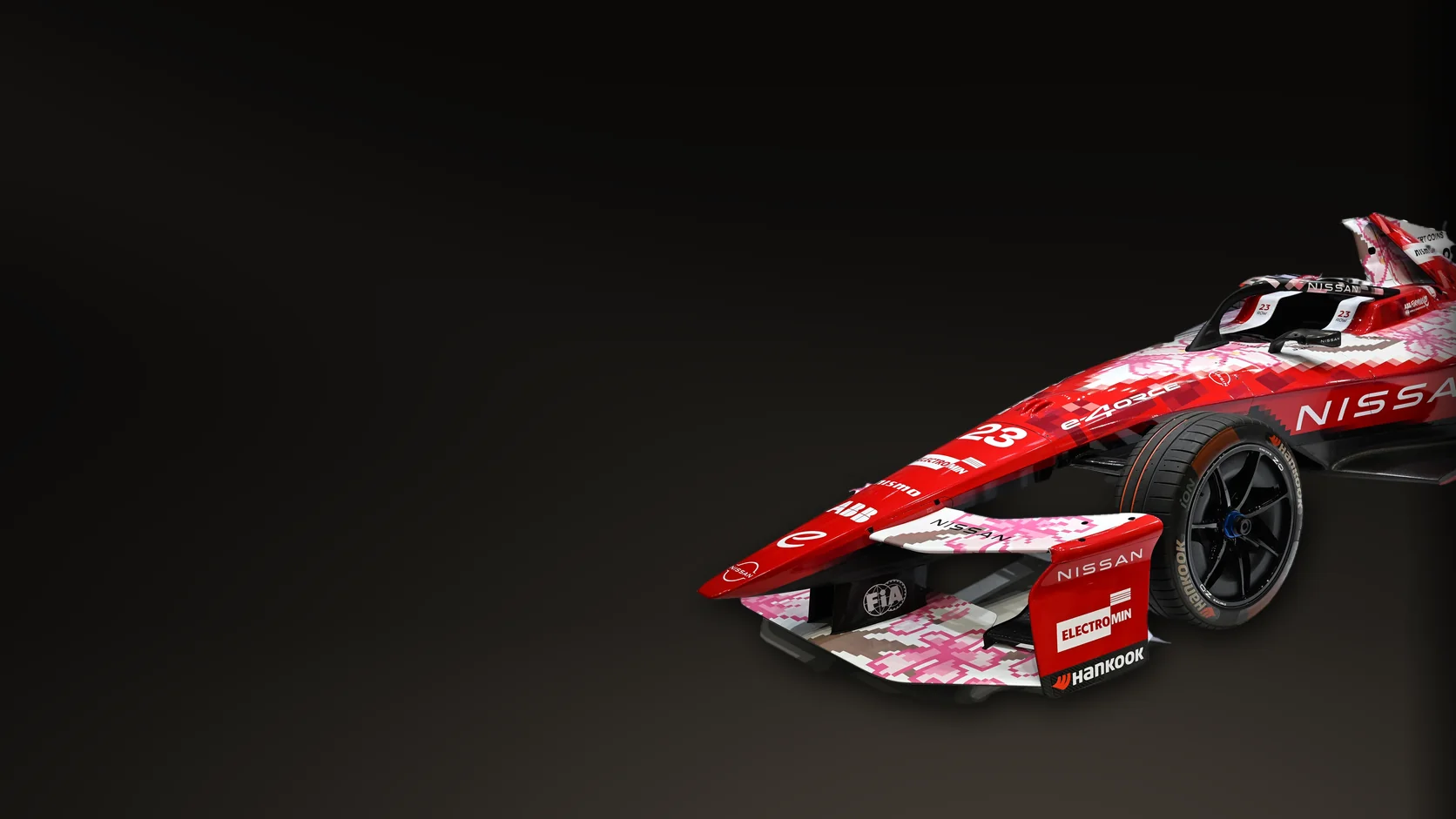
Race the Gen3 Evo

Photo of a Gen3 Evo from the side on a dark background

Or browse every car in the race.

Labels, sources and credits

Labels. Claimed: Formula E, the FIA or a team said it, without a published timed run. Recorded: timed on an actual run: an instrumented test, a certified or verified record run, or a maker's own pass on a drag strip's timing system. No such run has been published for this car, so the 1.82 s, which Formula E's CEO says the FIA timed, stays claimed; the Demon's quarter in the chart is recorded on Dodge's own pass. Verified: an official body, such as an FIA speed-trap reading. Reported: press reporting we couldn't trace to a primary source. Derived: our math. Estimate: modeled for our race because no published figure exists. Both are explained in the methodology guide. Race figures come from the lineup in our quarter-mile simulator, which uses Formula E's 0-60 claim and our own quarter-mile estimate. Sources disagree in places: Racer described the 0-60 gain over the Gen3 as about 0.2 s and the lap gain as about 0.2 s, where Formula E says nearly a full second and about 2 s at Monaco; we use Formula E's figures. Motor efficiency is quoted as over 90% and over 95% in different Formula E materials, so we left it out. A Porsche-focused report gives 862 kg; we use Racer's 859 kg.

  1. Formula E, Gen3 Evo reveal, April 25, 2024, and the FIA's release
  2. Engadget, Jeff Dodds interview, April 25, 2024
  3. The Race, Gen3 Evo explained, April 25, 2024, and the final verdict on the Gen3 era, August 30, 2026
  4. Racer, Gen3 Evo reveal, April 25, 2024
  5. Formula E, Gen3 Evo facts, April 30, 2026, and Pit Boost explained, July 25, 2026
  6. Formula E, GENBETA acceleration benchmark, March 5, 2024
  7. Wikipedia, Formula E Gen3, for power split, battery and dimensions
  8. FIA, GEN4 unveiled, November 5, 2025, and Formula E's season 13 calendar
  9. Autosport, London finale, August 2026

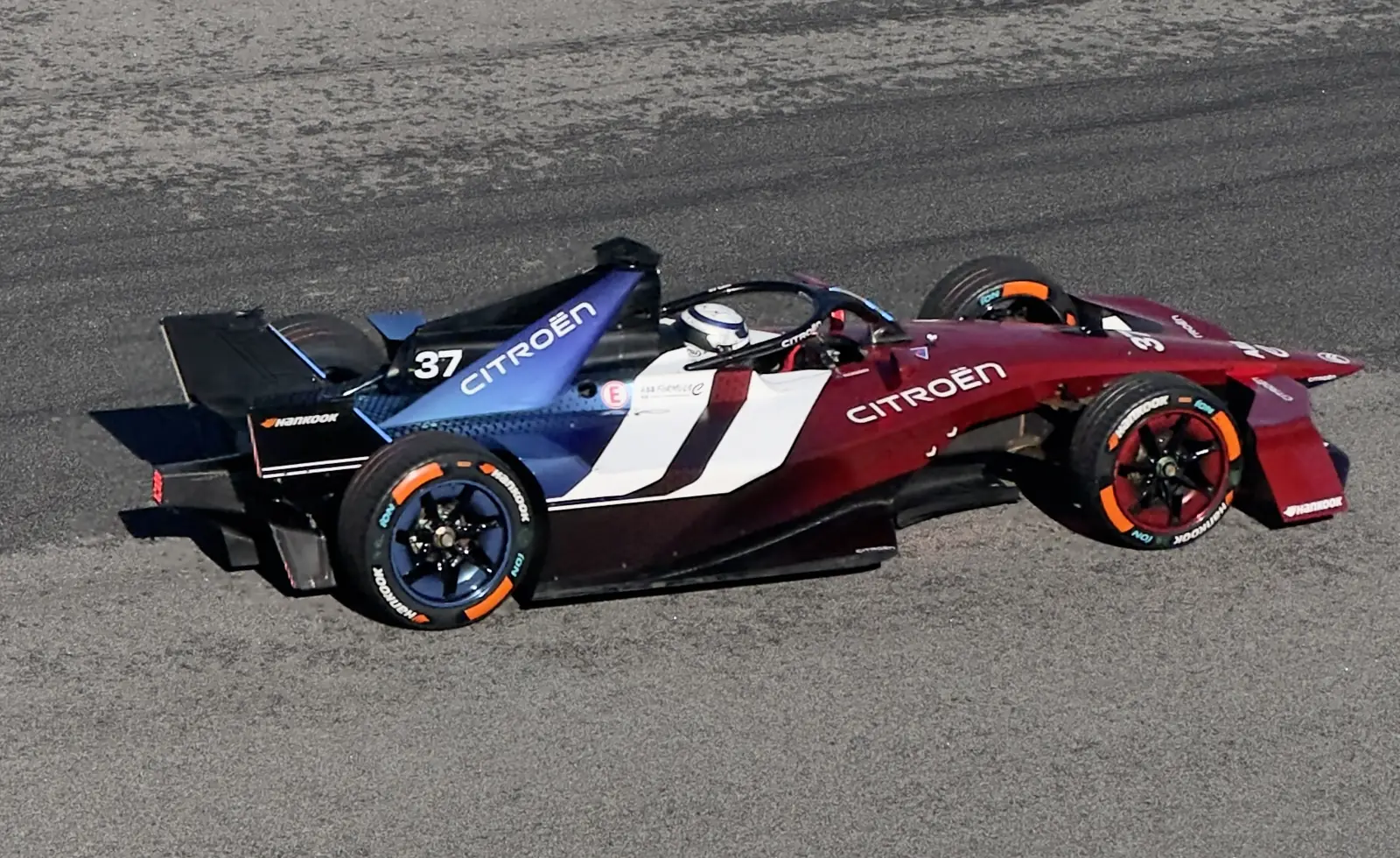
Images. Hero and rear view: TTTNIS (rear), CC0, cut out by us, with the show stand removed. Side view: Byxelized, and Citroën photo: Byxelized, both CC BY-SA 4.0, cut out or cropped by us; our edits are shared under the same license. All of these are real photos of Gen3 Evo race cars, not Formula E or team press photos. Team colors and sponsor names are as raced. The two neighbor-card thumbnails show other cars: the Ferrari F80 is a cutout of a real photo, credited under the cards, and the Dodge Challenger SRT Demon 170 is our own generated illustration. Video thumbnails come from YouTube.