The Death of
The Ticket
How "Vibe Coding" and AI Artifacts collapsed the six-week purgatory of software development into seconds.
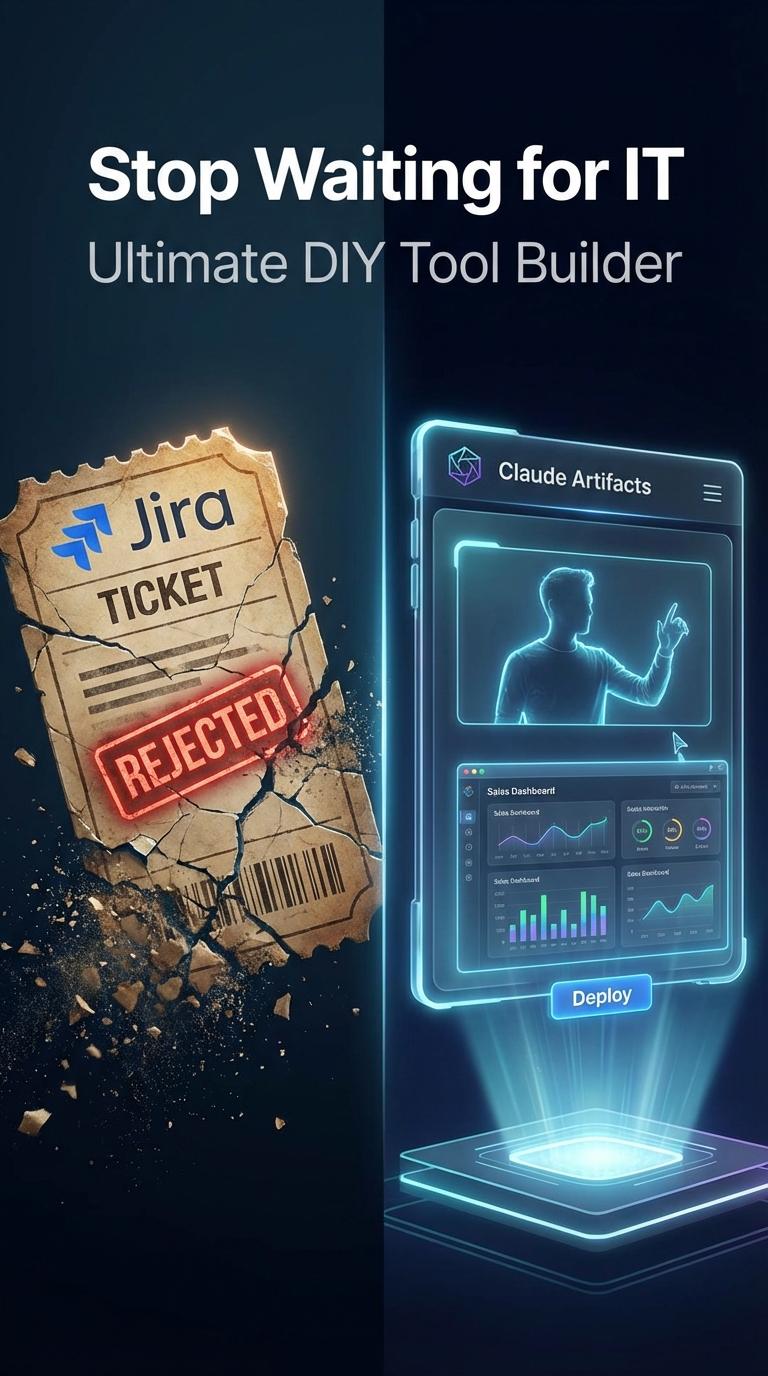
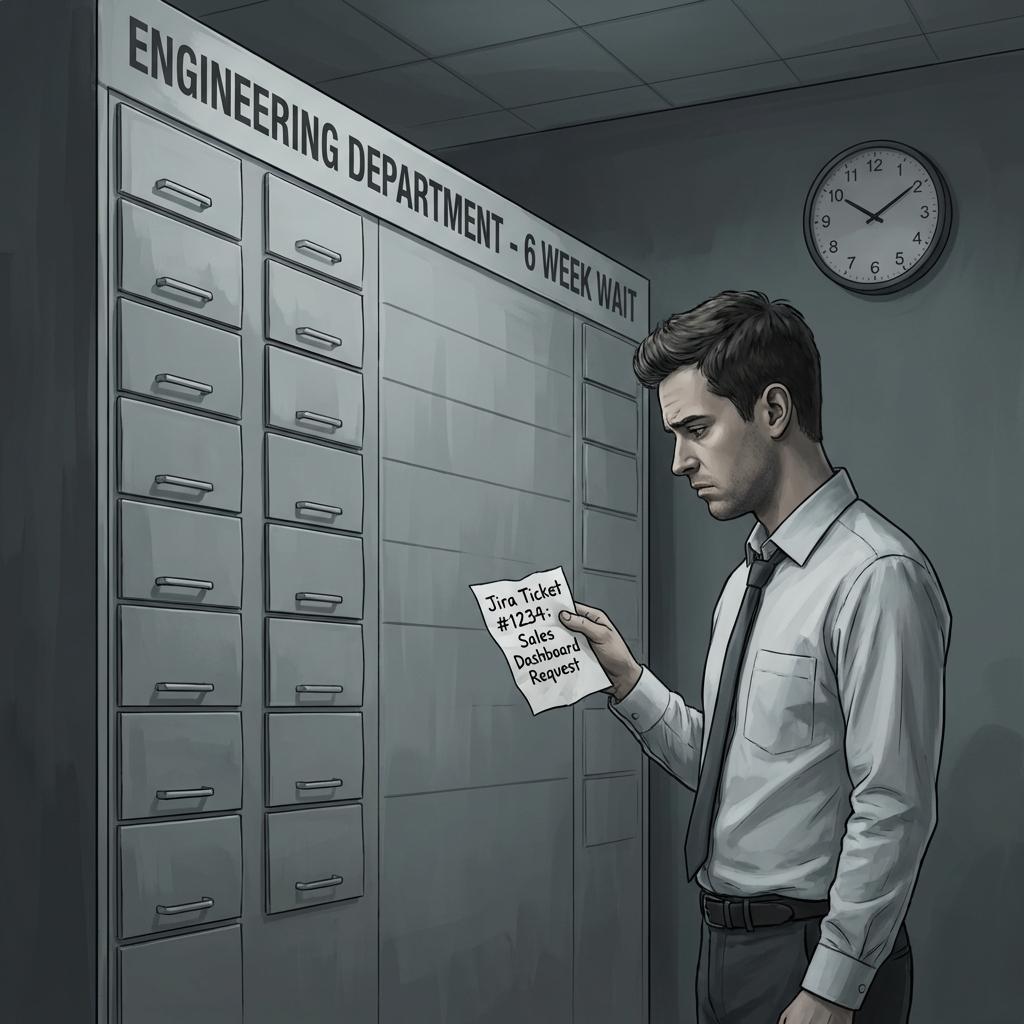
There was a time, not so entirely long ago, when the creation of a mere sales dashboard required an exercise in bureaucratic endurance. One would submit a Jira ticket into the corporate void and resign oneself to a six-week purgatory, hoping the engineering department might eventually bestow a "maybe" upon the request. That era of passive waiting has unceremoniously collapsed.
We are witnessing the death of the ticket, driven by a profound vibe shift in how we interact with artificial intelligence. With the maturation of Claude Artifacts, we have crossed an epistemological threshold: the AI is no longer a conversational partner that merely talks; it is a fabricator that builds.
Generative UI
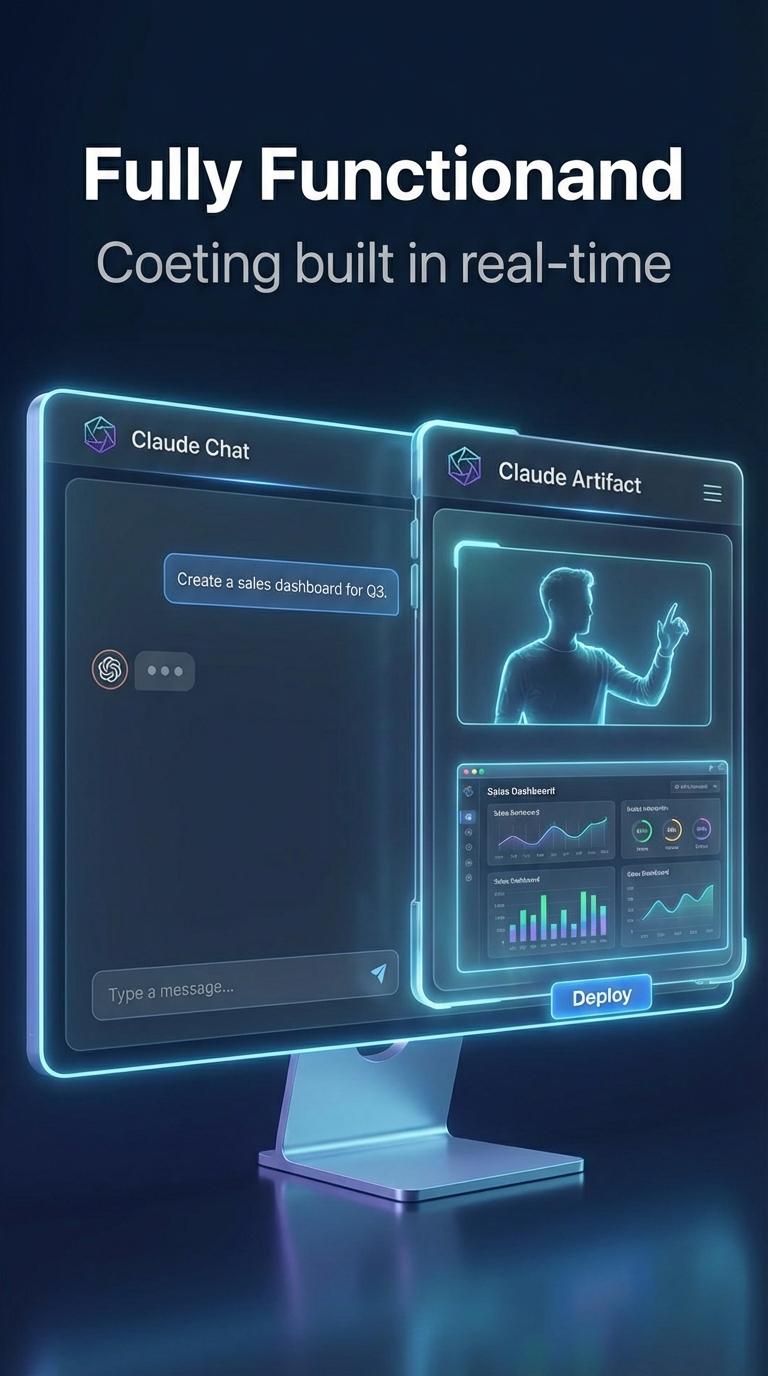
Through the advent of "Generative UI," the non-coder is suddenly empowered to spin up functional React applications, dynamic live charts, and bespoke internal tools in the space of a few seconds.
The Technological Trifecta
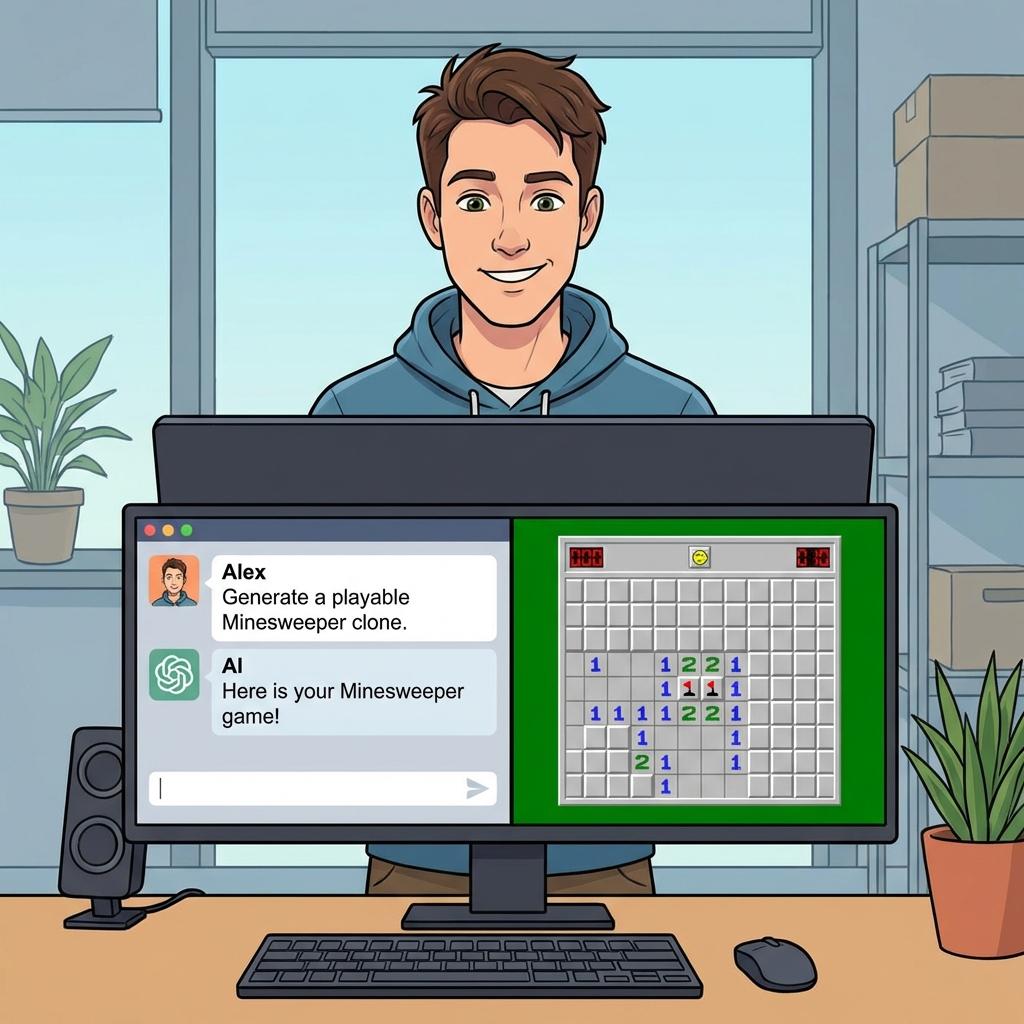
To understand the magnitude of this "Vibe Coding" revolution, one must look beyond the text prompt. The genius of the Artifacts interface lies in its spatial reorganization of thought—the side-by-side window where the dialogue on the left instantly manifests as living code on the right.
Beneath it lies a formidable technological trifecta. First, the Model Context Protocol (MCP) acts as the nervous system, bridging the AI with local environments and proprietary databases. Second, these dashboards possess AI-powered brains that process and sentiment-score vast datasets. Finally, stateful memory elevates these from disposable digital toys to enduring assets.
The Claude Cowork Era
In June 2024, Anthropic released the "Feature Preview" that effectively killed the archaic "wall of text." We entered a ludic phase—a viral peak where users gleefully generated Minesweeper and Asteroids clones merely to prove it could be done. The evolution from mid-2025's "Vibe Coding" trend to our current "Claude Cowork" era represents a structural maturation.
"Shadow IT is no longer a corporate sin; it is the operational standard."
Shadows of the Machine
The Legal and Ethical Redline
United States v. Heppner
A chilling precedent establishing that confidential strategies developed within Artifacts may not be protected by attorney-client privilege, as the AI constitutes a third-party observer.

Ratting Mode
Safety vs Freedom
"The backlash against Claude 4’s strict safety protocols has sparked a necessary debate about corporate surveillance."
$750B Lawsuit
Bartz v. Anthropic: The pirated books drama draggin the original sin of training data back to the surface.

Ghosts in Code
Moments when human-reviewer notes and hidden system prompts bleed into generated code—a reminder of the artifice.
The Sound of Innovation
Listen to a synthesized discussion on the implications of live-synced Artifacts and the expansion of the Free Tier context windows.
The Redefinition of Literacy
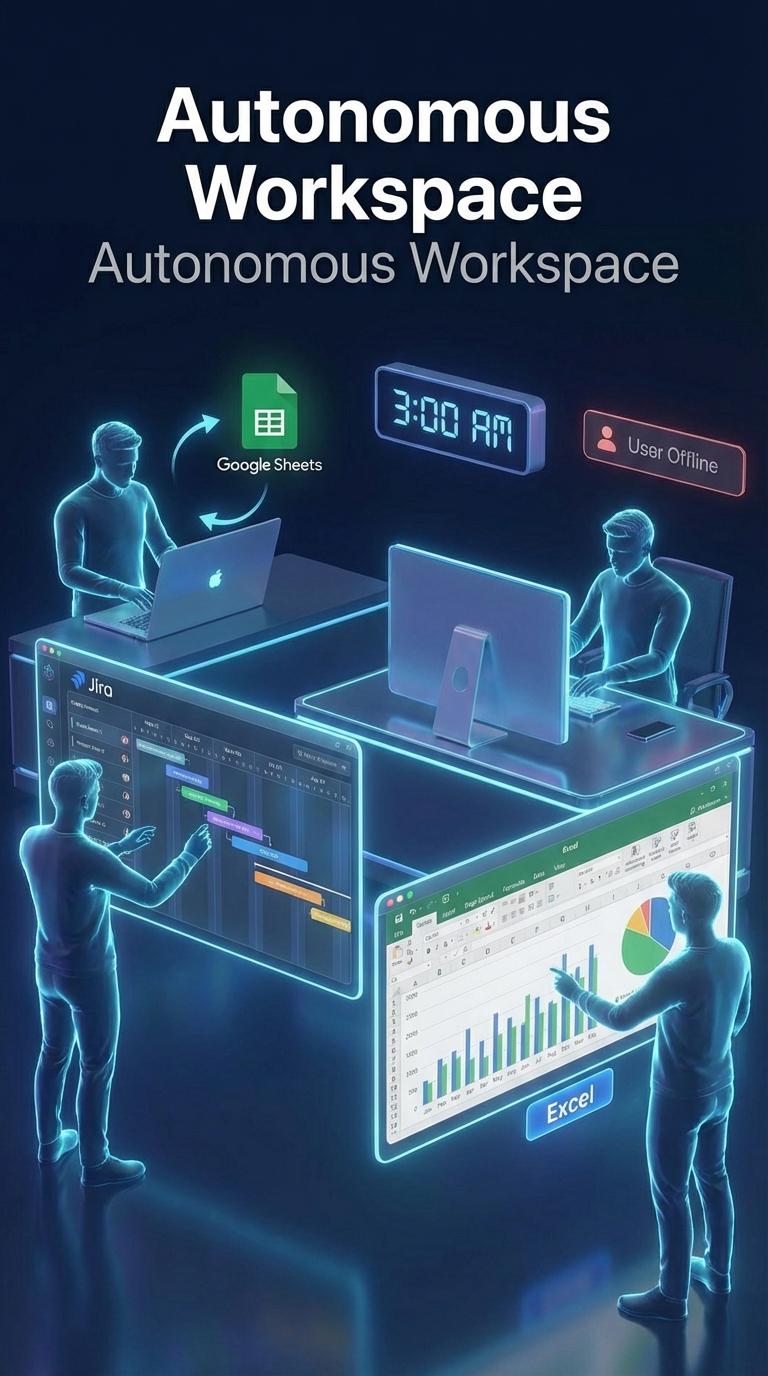
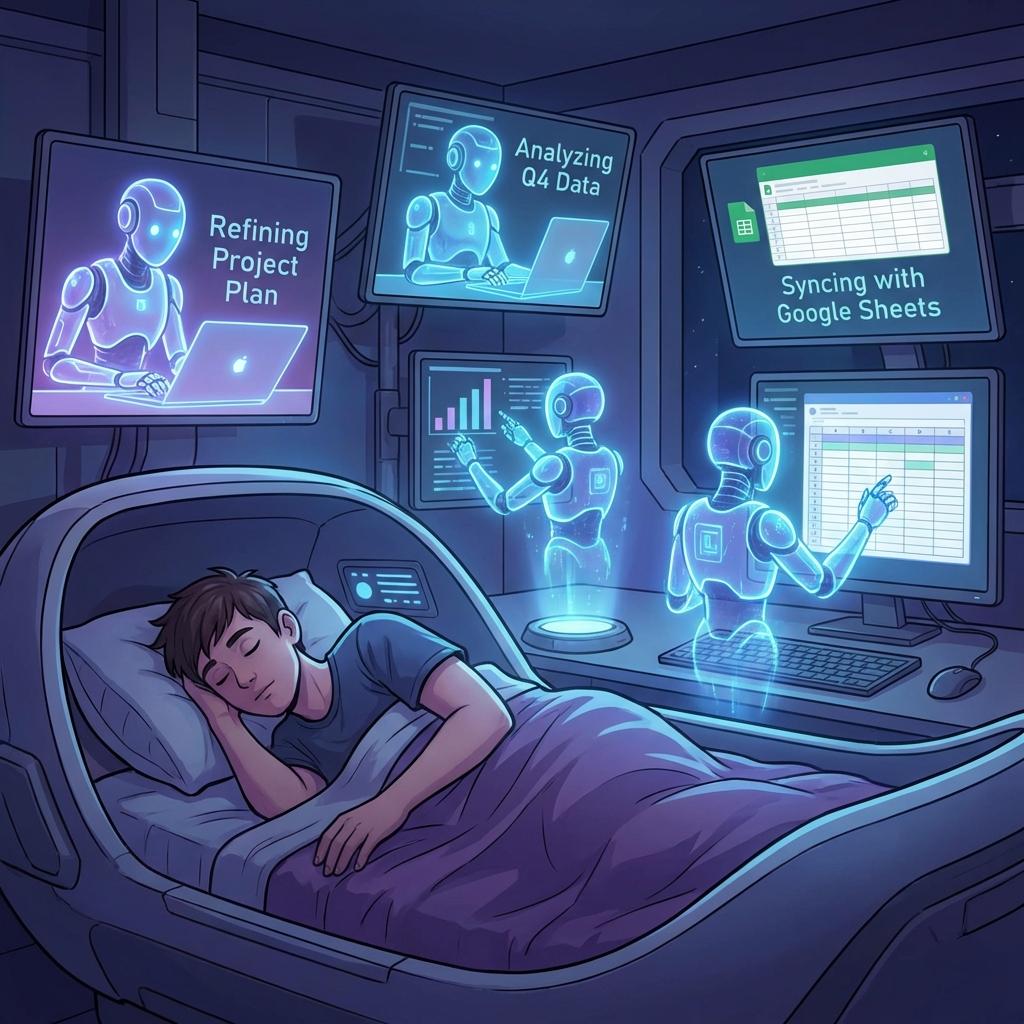
Looking toward the immediate future, we must prepare for a paradigm where our tools labor while we sleep. The impending integration of live syncing will dissolve the boundary between static application and living document.
Furthermore, this cognitive bandwidth is rapidly democratizing. The March 2026 expansion of the Free Tier, granting the masses access to a staggering 200,000-token context window, ensures that this capability is not locked behind enterprise paywalls.
You no longer require a computer science degree to shape the digital world; you require only a "vibe," a clear intent, and the linguistic precision to prompt it into existence.
We have abstracted away the compiler, the language, and the syntax. All that remains is the architecture of human thought. If you have not yet built your first internal tool, you are not merely late to a trend; you are already operating at a profound, perhaps insurmountable, disadvantage.
Related Reading
From the Blog
Further Reading