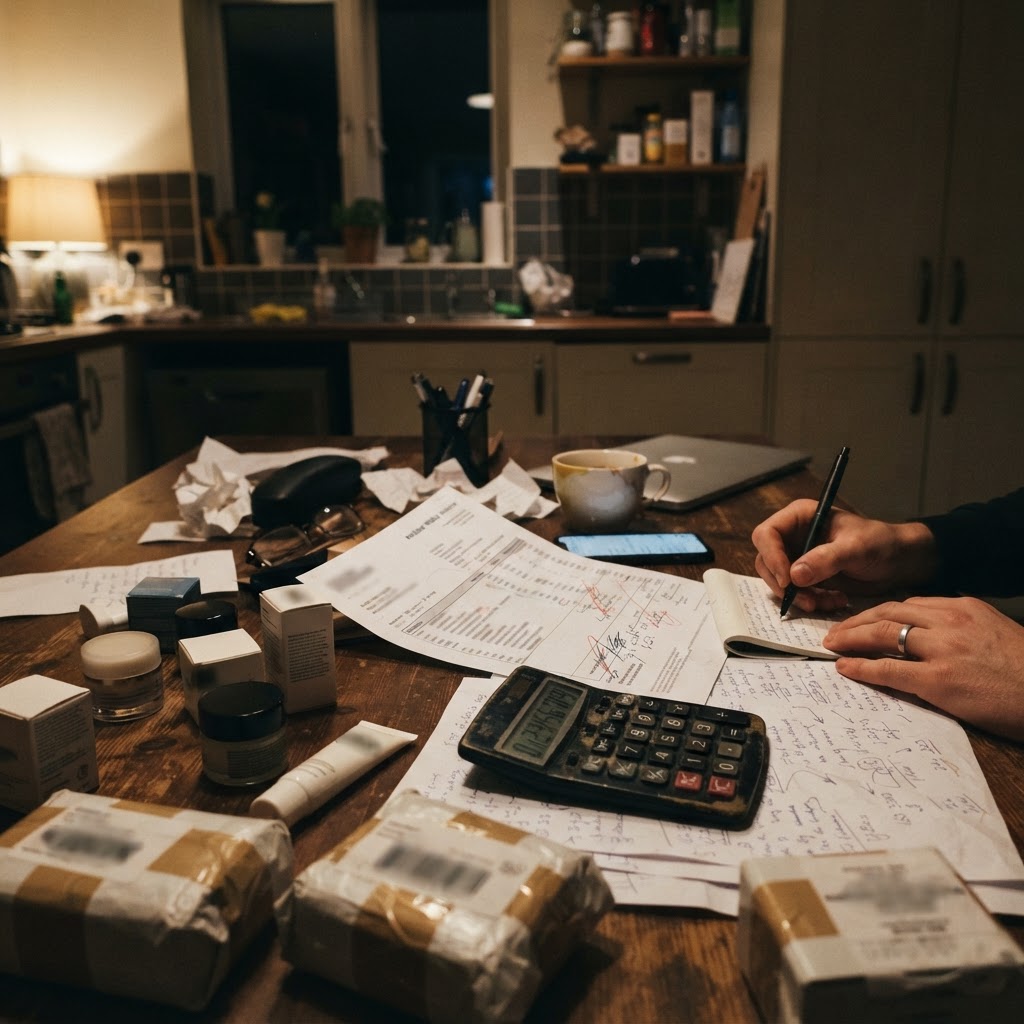
Retail media used to be a clever way to reach shoppers close to a purchase. Now it is starting to look like the price of admission.
That shift matters. When a retailer controls the shelf, the search results, the loyalty data, and the checkout, paid placement stops behaving like a normal media buy. It starts behaving like shelf rent. The brand pays to be easier to find, then pays again to prove the placement worked.
The market is responding to real pressure. McKinsey's 2026 State of the Consumer report describes a shopper facing cost pressure while moving through more tech-driven paths to purchase. That is a difficult environment for brands, and it is a very attractive one for retailers selling access to intent.

The new cost of being visible
Retail media is often sold as a performance channel because the ad appears near a transaction. That description is incomplete. The placement can influence discovery, comparison, availability, and memory before the customer ever reaches the product page.
That makes the spend powerful. It also makes it easy to hide the real tradeoff. A brand can report clicks, attributed sales, and return on ad spend while quietly losing margin, organic visibility, or negotiating power with the retailer.
The important question is not whether retail media works. It often does. The question is what the brand is buying, what it would lose without the buy, and whether the incremental sales justify the total cost.
A retailer's sponsored placement can be both an advertisement and a toll booth. If the product disappears from the first page when the campaign stops, the brand has learned something uncomfortable about its distribution strategy.
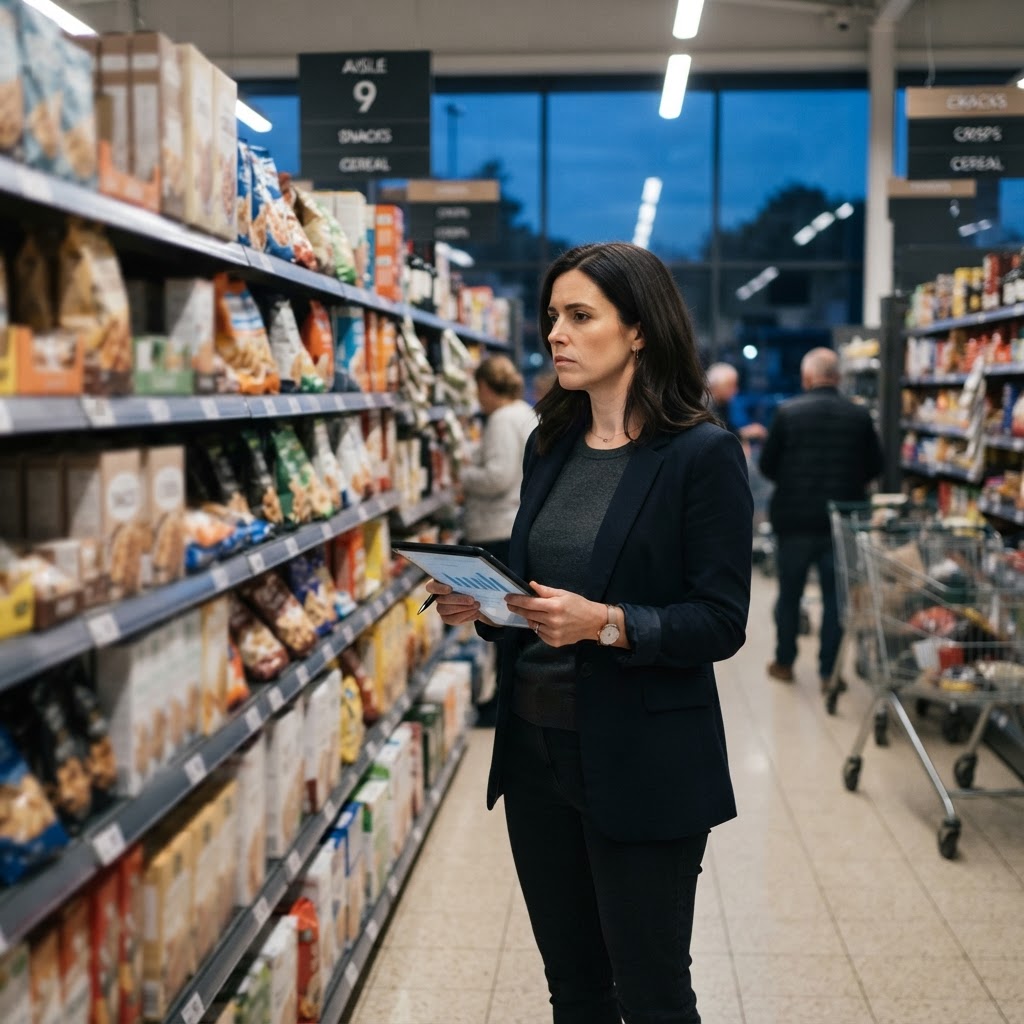
Retail media needs a different brief
Most media briefs begin with audience, reach, frequency, and creative. Retail media needs those inputs, but the commercial brief comes first.
Start with the constraint. Is the campaign meant to launch a product, defend a best seller, clear inventory, support a seasonal moment, or make a weak product page easier to find? Those are different jobs. They should not share a generic budget line or the same success metric.
Then define the counterfactual. What would have happened without the placement? A product that already dominates a category may collect a lot of attributed sales without creating much incremental demand. A new product may need paid visibility simply to earn a fair comparison.
The distinction resembles the one I made in Why Too Much Product Choice Hurts Ecommerce Conversion Rates, where the problem is not a lack of options but the quality of the decision a shopper can make. Retail media can increase visibility while making the underlying decision worse if the sponsored result is poorly matched to intent.
A stronger brief includes four lines:
- The shopper problem the placement is meant to solve.
- The commercial constraint, including margin and inventory.
- The baseline performance without paid support.
- The decision that will change if the result is positive or negative.
That last line is the one most teams skip. A report is not a strategy unless somebody knows what to do next.
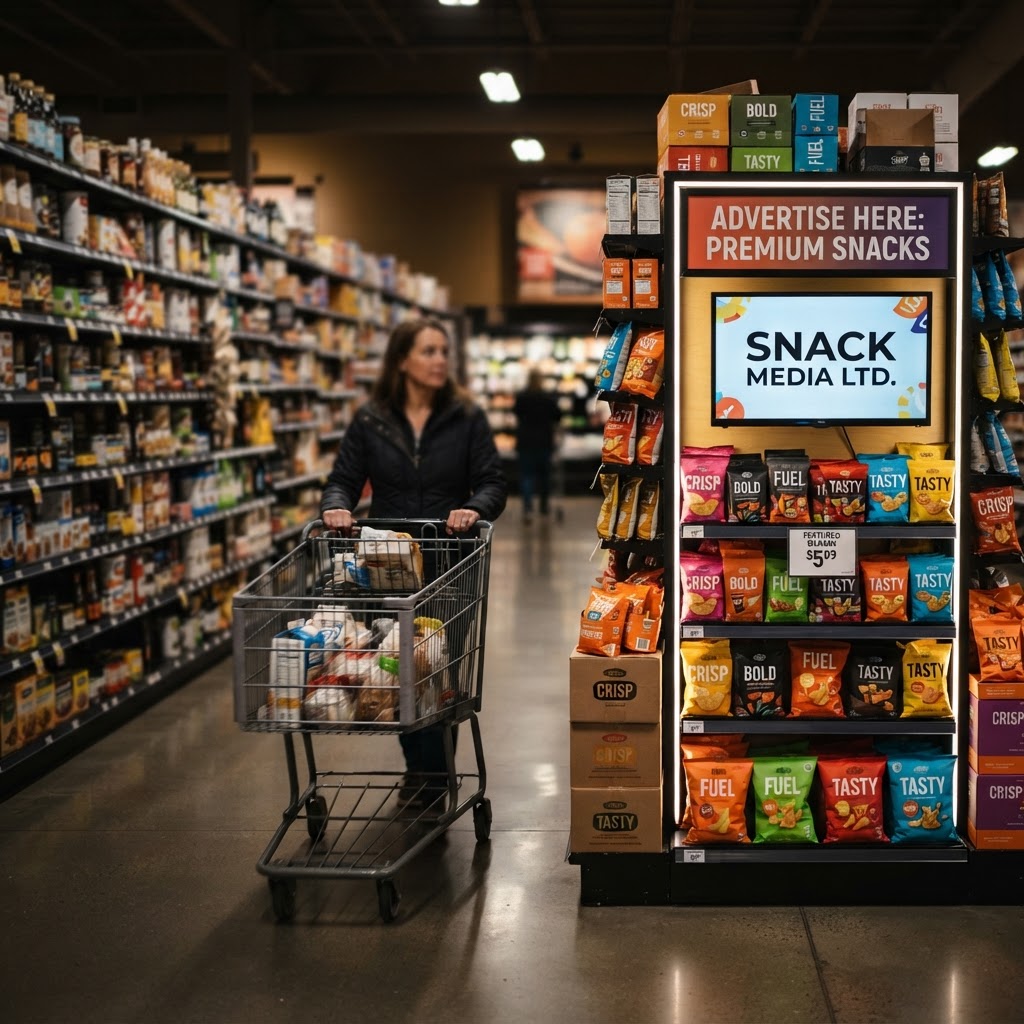
The measurement trap
Retail media dashboards create a comforting illusion of precision. They show impressions, clicks, conversion rates, attributed revenue, and return on ad spend in neat rows. The numbers are useful, but they are not the whole commercial story.
The first trap is attribution. A shopper who was already planning to buy may click a sponsored listing because it was in front of them. The platform receives credit. The brand receives a tidy report. The sale may not be incremental at all.
The second trap is margin. Revenue can rise while contribution falls if media costs, retailer fees, discounts, free shipping, and operational handling are left outside the campaign view. A campaign that looks efficient on gross sales can be a poor trade after the real costs are included.
The third trap is time. A campaign can create a short burst of demand, then leave the product dependent on paid visibility. That is not always failure. Launches and promotions have legitimate short-term jobs. It becomes failure when the team treats temporary lift as durable brand or distribution strength.
A better scorecard separates three layers:
- Immediate response, such as clicks, conversion, and attributed sales.
- Incremental commercial impact, such as lift against a credible holdout or baseline.
- Strategic effect, such as new-to-brand buyers, repeat rate, organic rank, distribution, and retailer dependence.
The scorecard should also include what the campaign displaced. Retail media is not free just because the money stayed inside the retailer. It competes with packaging improvements, product education, sampling, creator work, and the operational fixes that make a product easier to choose.

Small brands feel the rent first
Large brands can treat retail media as one part of a wider distribution system. Smaller brands often cannot. A few sponsored placements may determine whether the product is noticed at all, especially when a retailer's organic results are crowded with promoted listings.
That creates a strategic squeeze. The brand pays to win the shelf, then has less money to improve the product, build demand outside the retailer, or create a reason for shoppers to seek it out elsewhere.
The answer is not to reject retail media. That would be as simplistic as treating every placement as a growth engine. The answer is to make paid visibility earn a specific job and to build escape routes from dependence.
Those escape routes can include better product education on owned channels, a stronger email or membership relationship, clearer packaging, local partnerships, creator sampling, or a direct customer service loop. The goal is not to avoid retailers. It is to avoid being invisible without them.
This is where Why Returns Define Ecommerce Brand Loyalty After Checkout becomes relevant. The sale is not the end of the brand experience. If paid placement wins a first purchase but the product, delivery, or recovery experience disappoints, the campaign has rented attention without earning memory.

The shopper still gets a vote
Retail media strategy often talks about inventory and auctions. Shoppers experience something simpler: a list of products they are trying to compare.
If sponsored placement makes that comparison clearer, it can improve the experience. A relevant product near a useful search is not a problem. If the placement introduces noise, hides useful alternatives, or sends shoppers to a thin product page, the retailer has monetized friction.
That is why creative and merchandising cannot be separated. The image, title, reviews, availability, pack size, price, and delivery promise all affect whether paid visibility becomes a sale or a bounce. The ad gets the shopper to the shelf. The product page has to finish the argument.
A quick audit should ask:
- Can a shopper understand the product in five seconds?
- Is the reason to choose it visible without decoding brand language?
- Are reviews and proof specific enough to reduce risk?
- Does the offer remain credible beside competing products?
- Does the post-purchase experience support the promise?

What a healthier plan looks like
A healthier retail media plan treats the retailer as a valuable partner, not the sole owner of demand.
Reserve paid placement for moments where it has a defensible job: new product discovery, a meaningful seasonal need, a category search with clear intent, or a measurable distribution objective. Keep a portion of the budget for experiments that test incrementality, not just attribution. Report contribution after fees and discounts, not only the platform's preferred return metric.
Most important, review dependence. If the product needs paid placement every week to maintain basic visibility, the fix may be outside the media account. It could be packaging, pricing, assortment, reviews, availability, or a missing reason to care.
A useful operating rhythm is simple. Brief the commercial problem, run the placement, compare it to a credible baseline, inspect the shopper experience, then decide whether to scale, repair, or stop. Do not let a dashboard make that decision by itself.
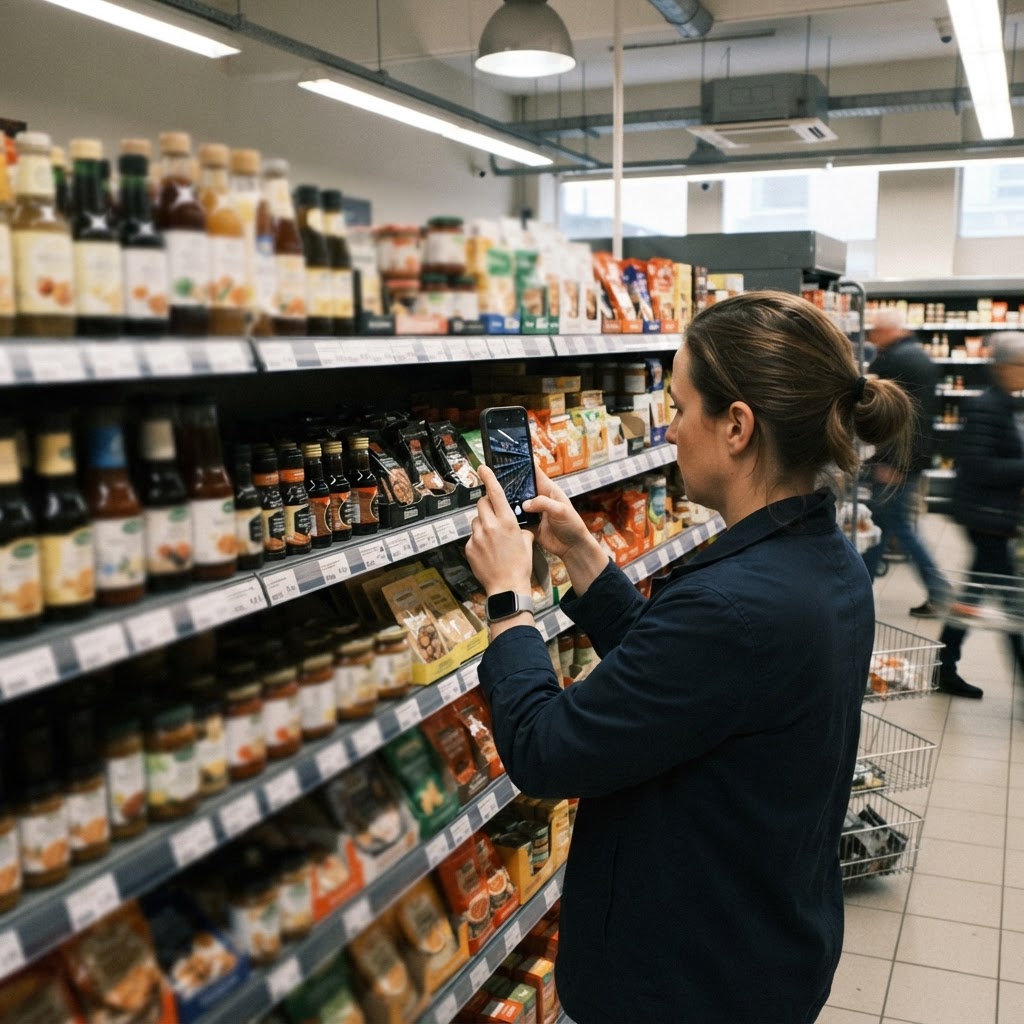
Retail media is not going away. Retailers have the data, the traffic, and the last mile of intent. Brands need the channel, but they do not need to surrender the strategy.
The line to watch is the one between paying for growth and paying to remain visible. Once those become the same thing, the brand is no longer buying media. It is renting its place on the shelf.