Free shipping used to feel like a gift. Now it feels like the admission price.
That shift matters because ecommerce brands keep treating shipping as a conversion lever when customers increasingly judge the entire promise around the order. They want a delivery date they can believe, a return process that does not feel punitive, and a brand that fixes problems without making them fight for help.
Free shipping still removes friction. It just does not create much affection on its own.
The old offer has gone stale
Retailers trained shoppers to expect free delivery, easy returns, and constant promotions. The result is predictable. A promise that once differentiated a store becomes part of the baseline, while the cost of keeping it rises quietly in the background.
McKinsey's 2026 State of the Consumer report describes a market shaped by technology acceleration and cost pressure. That combination produces a more careful shopper, not necessarily a less interested one. People still buy, but they scrutinize value harder and punish vague promises faster.
The problem is that free shipping is easy to compare. A shopper can open three tabs and find the same threshold in seconds. If the only reason to choose one store is a delivery subsidy, the relationship is already fragile.
That is why loyalty cannot be reduced to shipping cost. A customer might place the first order because delivery is free. They place the second because the first experience felt dependable.

Trust begins before the parcel
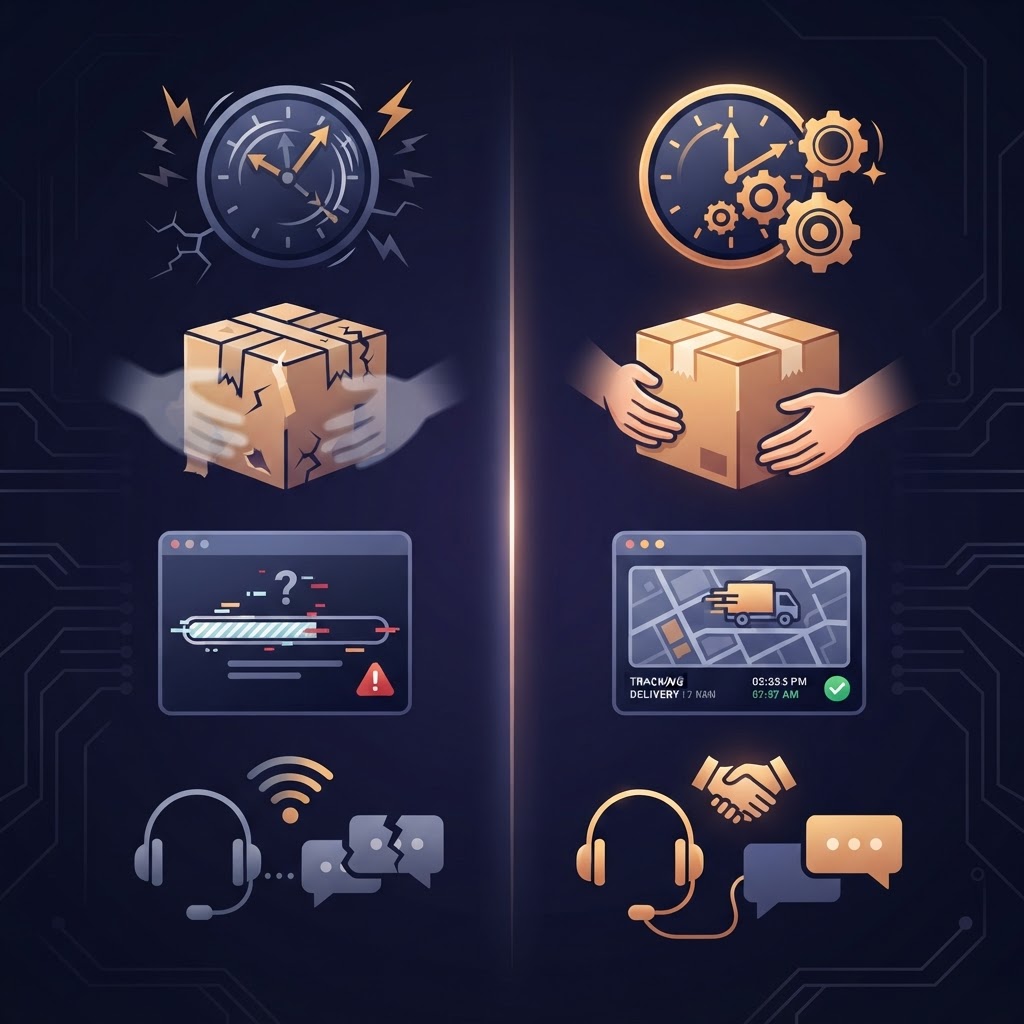
A shipping promise has three parts: what the customer expects, what the retailer can actually deliver, and how clearly the gap is handled when something changes.
Most brands focus on the first part. They advertise speed. They put a countdown near the cart. They make the delivery date large and optimistic. Then the warehouse, carrier, weather, or inventory reality gets to write the ending.
That is backwards. A believable promise beats an exciting promise that fails.
Baymard's research on cart abandonment and checkout usability has consistently shown how many shoppers leave before purchase. The exact reasons vary by category, but surprise costs, uncertainty, and forced decisions repeatedly show up as avoidable friction. Shipping belongs in that same conversation. Customers are not only asking whether delivery is free. They are asking whether the order will arrive when they need it and whether the brand will be useful if it does not.
That makes delivery information a trust surface. It deserves the same care as product photography, reviews, and payment design.
Reliability beats speed theater
Faster is not always better. A customer buying a replacement filter, a birthday gift, or a weekly household item mostly wants confidence. A two-day promise that arrives on day four creates more damage than a five-day promise that arrives on day four.
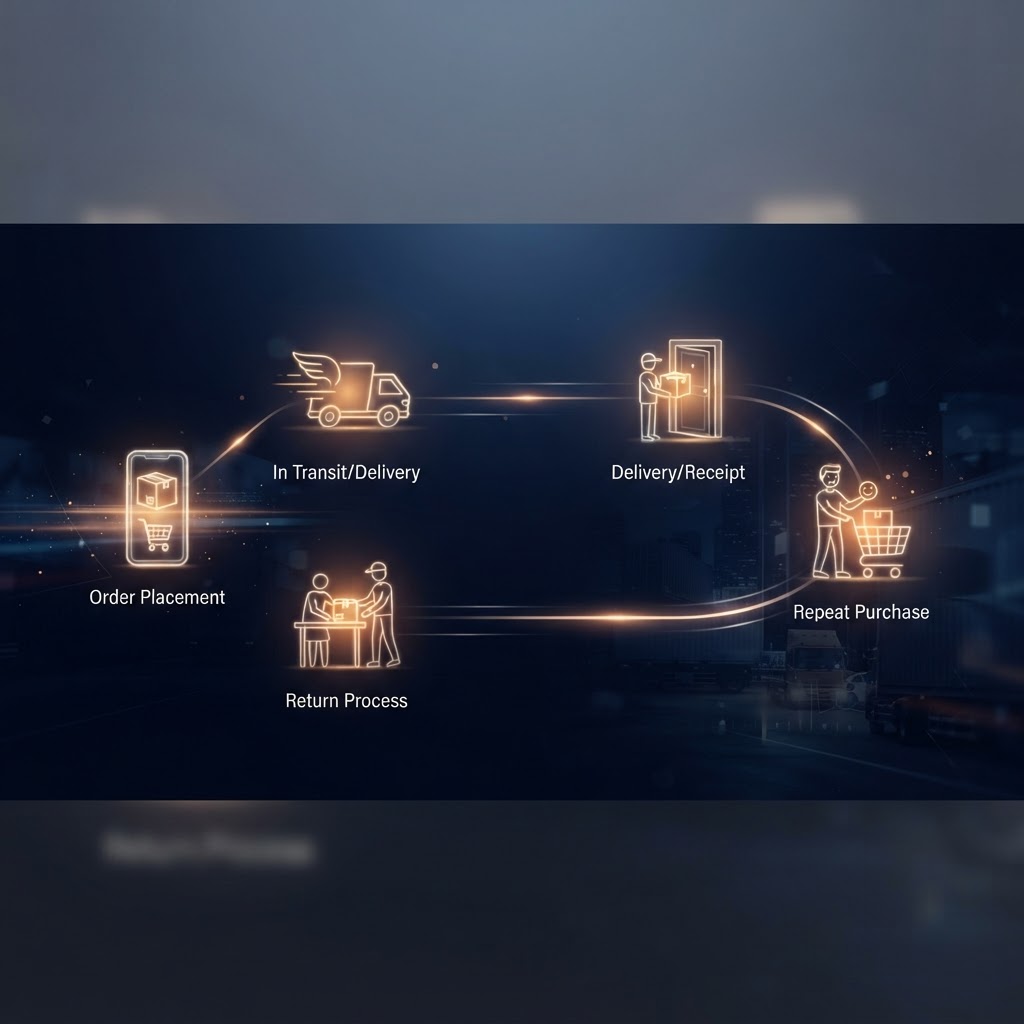
Retail teams should separate speed from reliability in their reporting. Track the percentage of orders delivered on or before the promised date. Track the number of customers who contact support about delivery. Track repeat purchase rate for customers who experienced a delay. Those measures tell a more honest story than average shipping speed alone.
The operational work is not glamorous. Inventory accuracy matters. Cutoff times need to be real. Carrier handoffs need owners. Customer service needs a clear playbook for late packages, damaged boxes, and orders that appear delivered but cannot be found.
This is where many brands underinvest. They spend on acquisition, then treat fulfillment as a back-office expense. Customers experience the opposite. The package is often the first physical proof that the brand deserves their trust.
The package is a brand moment
Packaging does not need to be extravagant. It needs to be intentional.
The box should protect the product. The contents should match the product page. Instructions should answer the first question a customer will have. The return path should be easy to find rather than hidden behind a help-center maze.
That last point matters more than most teams admit. A generous return policy can still feel hostile if the customer has to decode it. In my piece on why returns define ecommerce brand loyalty, the central point was simple: the transaction is not finished when the package arrives. The return experience teaches customers what a brand believes their time is worth.

A good package lowers the need for explanation. It makes the next step obvious. That might be setup, replenishment, care, or a simple invitation to contact a real person.
Free shipping cannot do any of that by itself.
Give customers a reason to return
The most useful loyalty programs do not just hand out discounts. They reduce uncertainty and make the next purchase easier.
That could mean saved preferences, accurate replenishment reminders, early access to products that genuinely fit a customer's history, or support that remembers the original problem. It could also mean a better product finder. As I wrote in the piece on ecommerce choice overload, more options do not automatically create more confidence. A helpful recommendation can be more valuable than another promotion.
The test is whether the benefit feels earned and useful. If a loyalty program only asks customers to spend more to receive the same discount everyone else can find, it is not building a relationship. It is delaying a price objection.
Retailers should also watch for the habit their offers create. My earlier look at promotion dependence made the same point from the pricing side: if customers learn that waiting is rewarded, urgency disappears. Free shipping thresholds can create a similar problem when shoppers add unwanted items just to qualify, then feel manipulated by the order total.
A loyalty mechanic should make the next decision cleaner. It should not turn every checkout into a negotiation.
Measure the promise, not just the parcel
Shipping cost is visible in the margin report. Trust is scattered across the business, which is why it is easy to ignore.
Build a simple post-purchase view that joins operational and customer signals:
- Promised delivery date versus actual delivery date
- Support contacts per order and the reason for contact
- Refunds, replacements, and return requests by delivery experience
- Second-order rate within 30, 60, and 90 days
- Customer language in reviews after late or damaged orders
The goal is not to punish the warehouse for every carrier failure. The goal is to see where a promise breaks and whether the recovery restores confidence.
A late order with proactive communication may be recoverable. An order that arrives on time but contains the wrong item can be worse. A return that is processed quickly may create more loyalty than a perfect first delivery because the customer sees how the company behaves under pressure.

That is the level where the brand is judged.
The next advantage is dependability
Free shipping will remain useful. It is still a practical reason to finish an order, especially for price-sensitive shoppers. But it is a weak foundation for loyalty because competitors can copy it overnight.
Dependability is harder to copy. It requires honest dates, accurate inventory, clear policies, thoughtful packaging, and service that takes responsibility when the system fails. It also requires marketing and operations to stop handing each other the blame for an experience customers see as one thing.

The brands that win the next phase of ecommerce will not necessarily be the ones promising the fastest or cheapest delivery. They will be the ones customers can believe.
That is a much better promise than free.