
TL;DR
- AI data center power capacity has hit 29.6 GW globally, equivalent to Switzerland's national consumption.
- GPT-4o inference alone may consume more water than 12 million people drink annually.
- SEC climate disclosure rules are expanding. AI workloads will become Scope 3 line items.
- The fix is not less AI. It is smarter AI: specialized models, efficient architectures, renewable-sourced compute.
Nobody puts carbon cost on their AI invoice. The bill shows compute hours, API calls, and token counts. It does not show the 72,816 tons of CO2 that training Grok 4 produced. It does not show the water drawn from local reservoirs to cool the data center that generated your last batch of ad copy.
That accounting gap is closing. And when it does, it will restructure how enterprises think about AI spend.
Why the Accounting Has Been Invisible
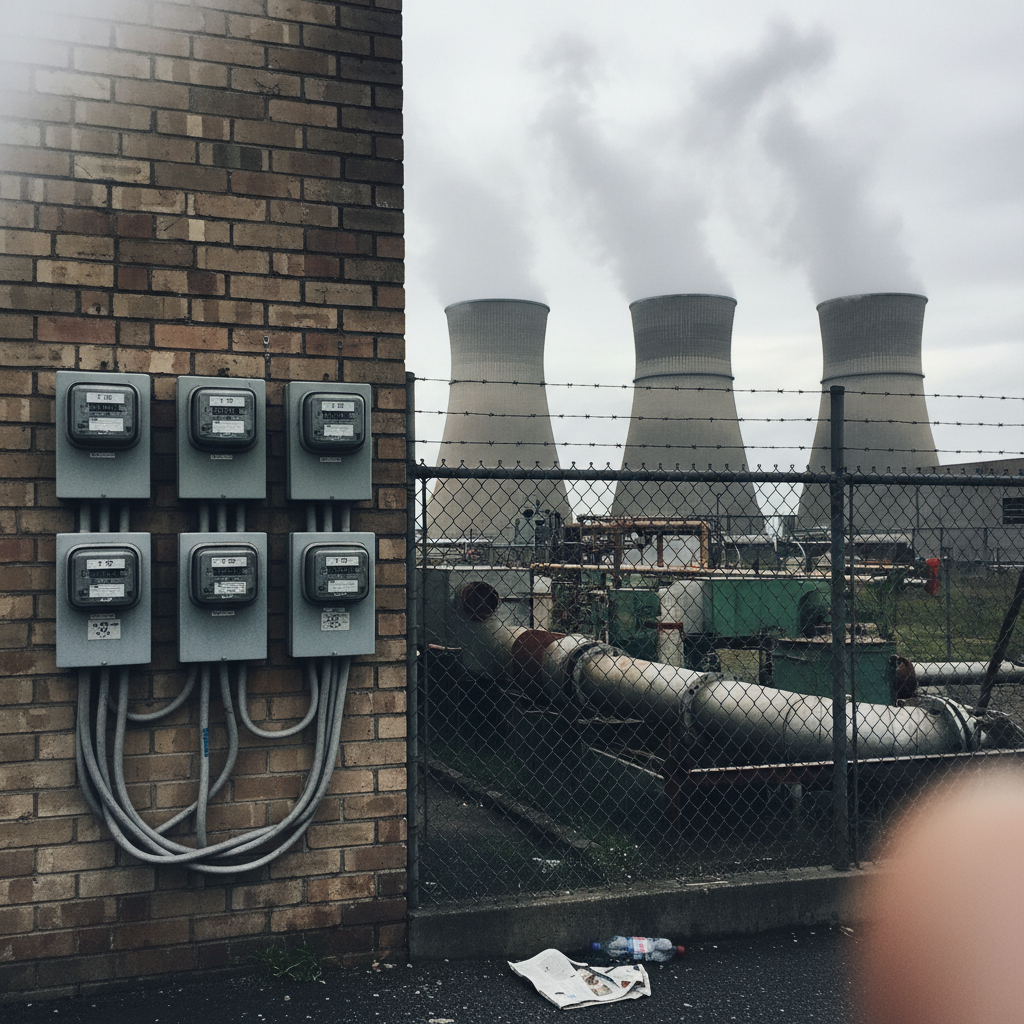

Every ChatGPT query consumes roughly 10x the energy of a Google search. At scale, that adds up fast.
The hidden cost structure
Cloud pricing abstracts physical infrastructure entirely. You pay per token or per compute hour. The provider handles everything else. The environmental cost is buried in operational overhead that never surfaces in your invoice.
This is starting to shift. SEC climate disclosure rules and equivalent European regulations are pushing companies to account for Scope 3 emissions, which include the indirect emissions from suppliers. An enterprise processing millions of AI API calls per month will need to account for associated emissions in sustainability reports.
The enterprise that can say its AI inference runs on 100% renewable compute has a procurement advantage that will grow as sustainability reporting requirements tighten.
What Efficient AI Architecture Delivers
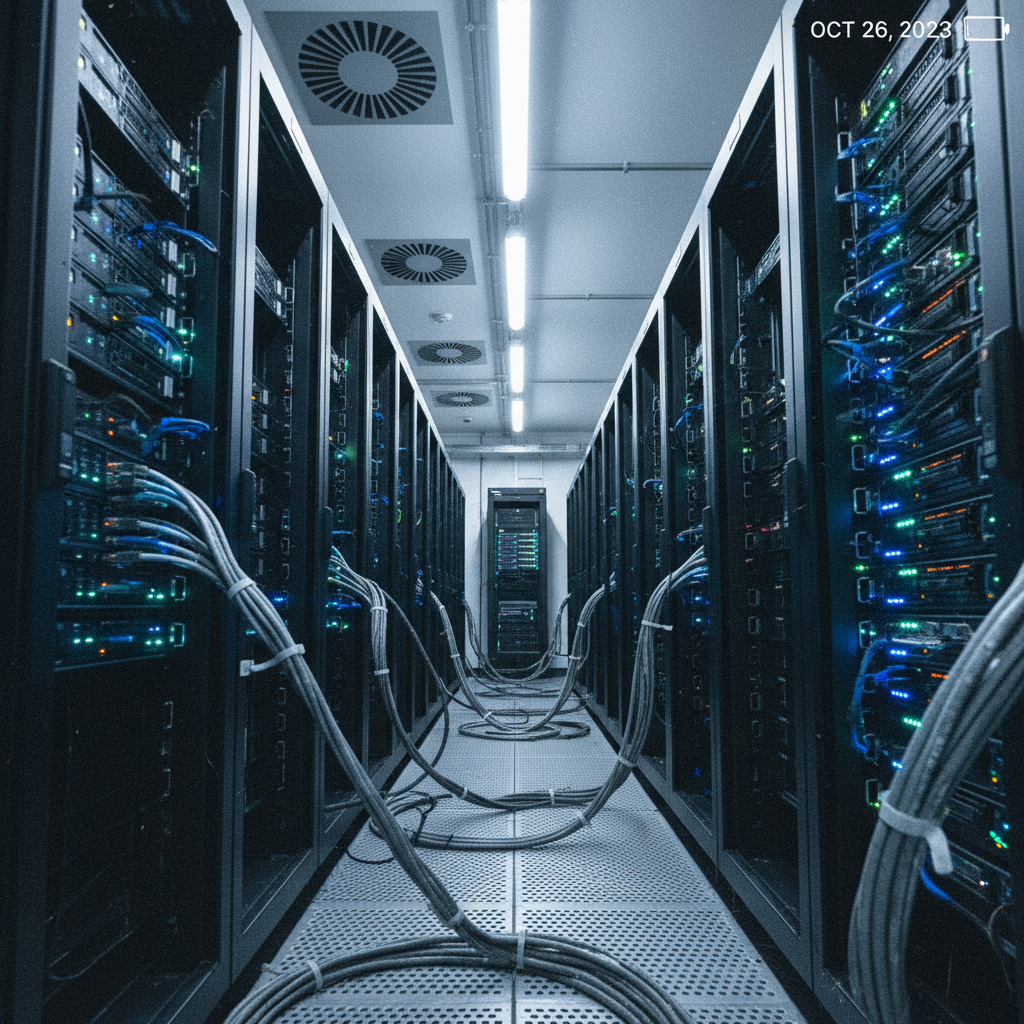
The better path
Specialized models over general ones
A fine-tuned 7B model for contract review consumes a fraction of the energy of a 1T general model. Same output quality, dramatically lower cost and emissions.
Audit your AI stack for efficiency
Most enterprises have no framework for accounting for AI emissions per workload. Building one now puts you ahead of procurement conversations in 18 months.
Choose vendors with renewable commitments
B2B buyers in sustainability-sensitive industries are already asking vendors about AI energy sourcing. A renewable-sourced product will win deals the standard-grid product cannot.
For more on the efficiency breakthrough reshaping AI architecture, the AI scaling trap breakdown runs alongside this one.
The Bottom Line
The chatbot is not free. It never was. The invoice just did not include everything. The brands that get ahead of environmental AI accounting now will have an easier conversation with their sustainability teams and their enterprise customers in 18 months.
Back to all posts