When Your AI Vendor Disappears: The Sora Shutdown Playbook
Your AI workflow has a dependency date. The only question is whether you built a way out before it arrives.
AI products can be retired before your promises, client plans, or internal workflow have a replacement. Treat every model as rented capability, then own the continuity around it.
Contract for a sunset. Route through an adapter. Keep a requalification suite. Store the assets that matter where you can export them.
The deadline is real. The migration work is yours.
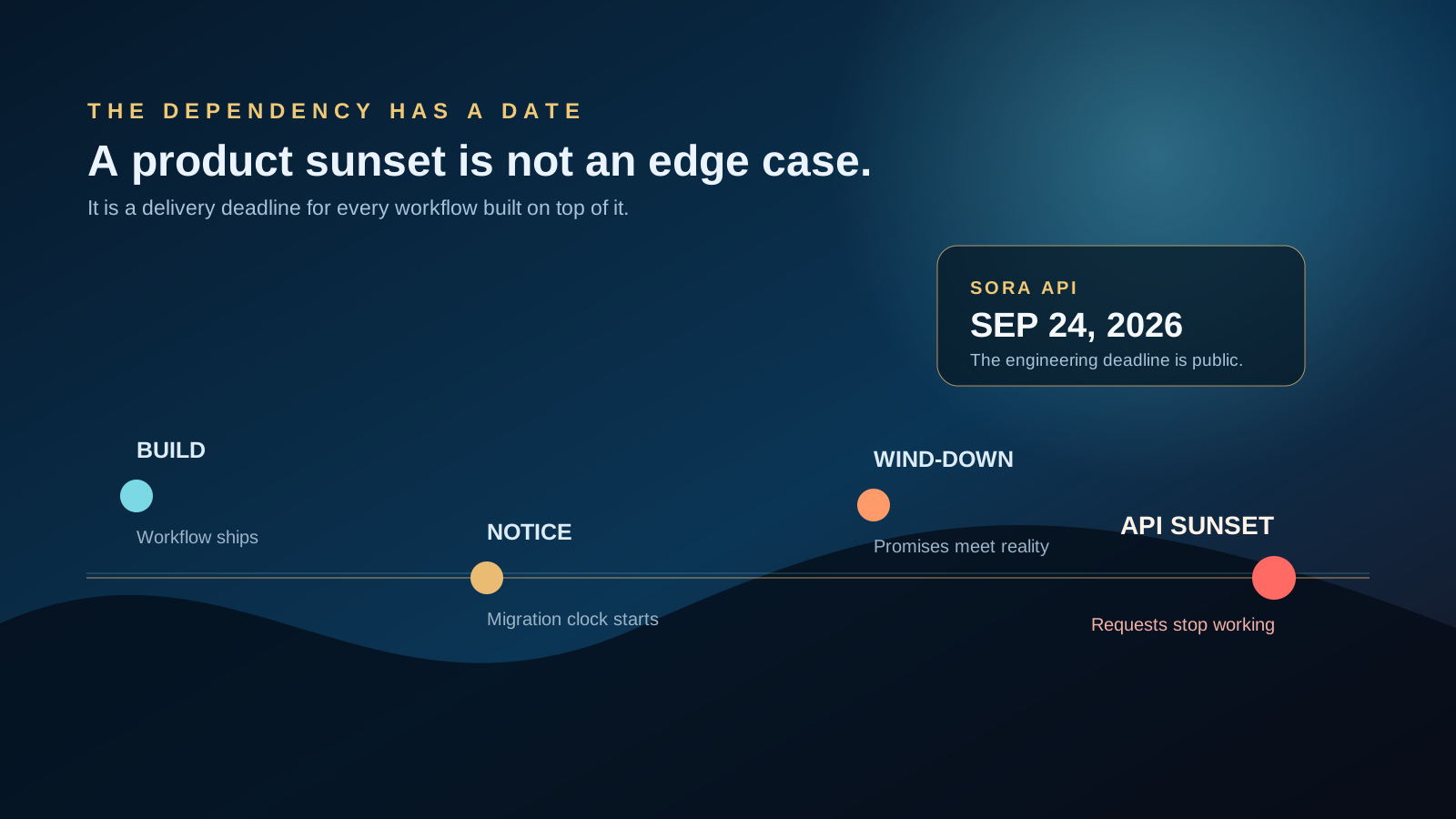
OpenAI’s Sora discontinuation notice puts the problem in calendar form: the web and app experiences ended on April 26, 2026; the API is due to end September 24. For a team with video deliverables already sold, that date is not product news. It is a delivery constraint.
The honest criticism is not that no notice exists. It is that a published runway can still be too short when a platform is embedded in production, calibration, client approvals, and a team’s daily habits. A vendor owns the product. You own the downstream promises.
That distinction matters because an AI replacement is rarely a basic version upgrade. The inputs may look familiar while the output, price, latency, safety behavior, and brand fit all move at once.

Not every failure is a migration.
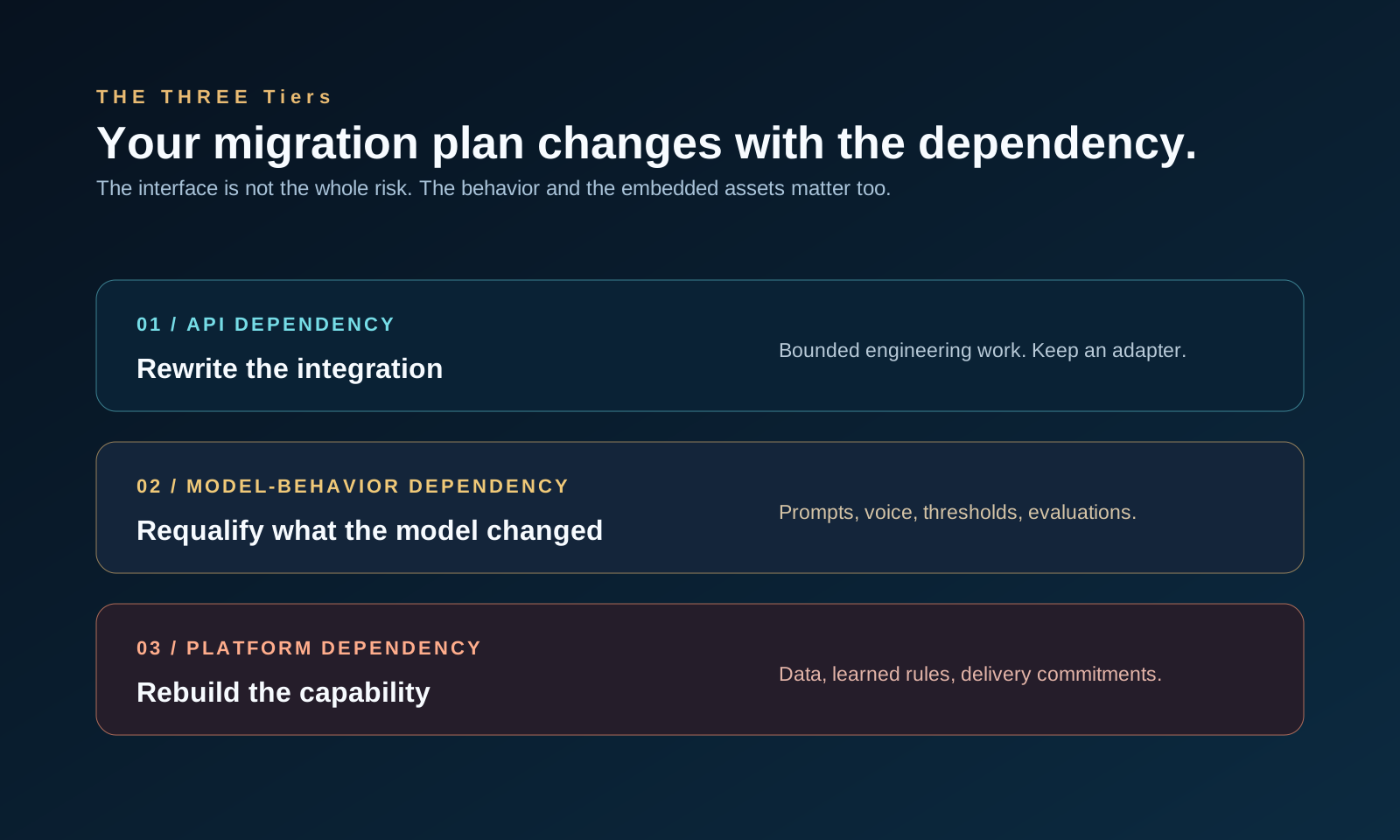
Tier one is a technical dependency. Tier two is a behavior dependency. Tier three is a business capability living inside someone else’s product.
1. API dependency
The interface changes or ends. An integration needs an adapter and a replacement endpoint.
2. Model-behavior dependency
Prompts, fine-tunes, quality thresholds, and brand calibration need to be tested again, not assumed transferable.
3. Platform dependency
The history, learned rules, workflow, and data live inside the platform. A replacement means rebuilding the capability.
Model replacement is a change-control event.
Amazon Bedrock makes the operational reality unusually explicit: it tracks models as Active, Legacy, or End of Life; a Legacy model gets a period before EOL, and migration does not happen automatically. Its own guidance is to update your application before the date. The lifecycle page is a useful reminder that model retirement is normal infrastructure maintenance, not a rare scandal.
The risk is highest when the visible API obscures a hidden calibration layer. A content workflow can depend on a model’s writing voice, a creative workflow on a particular image or video behavior, and a routing workflow on thresholds no one wrote down. Those details do not automatically arrive with the successor.
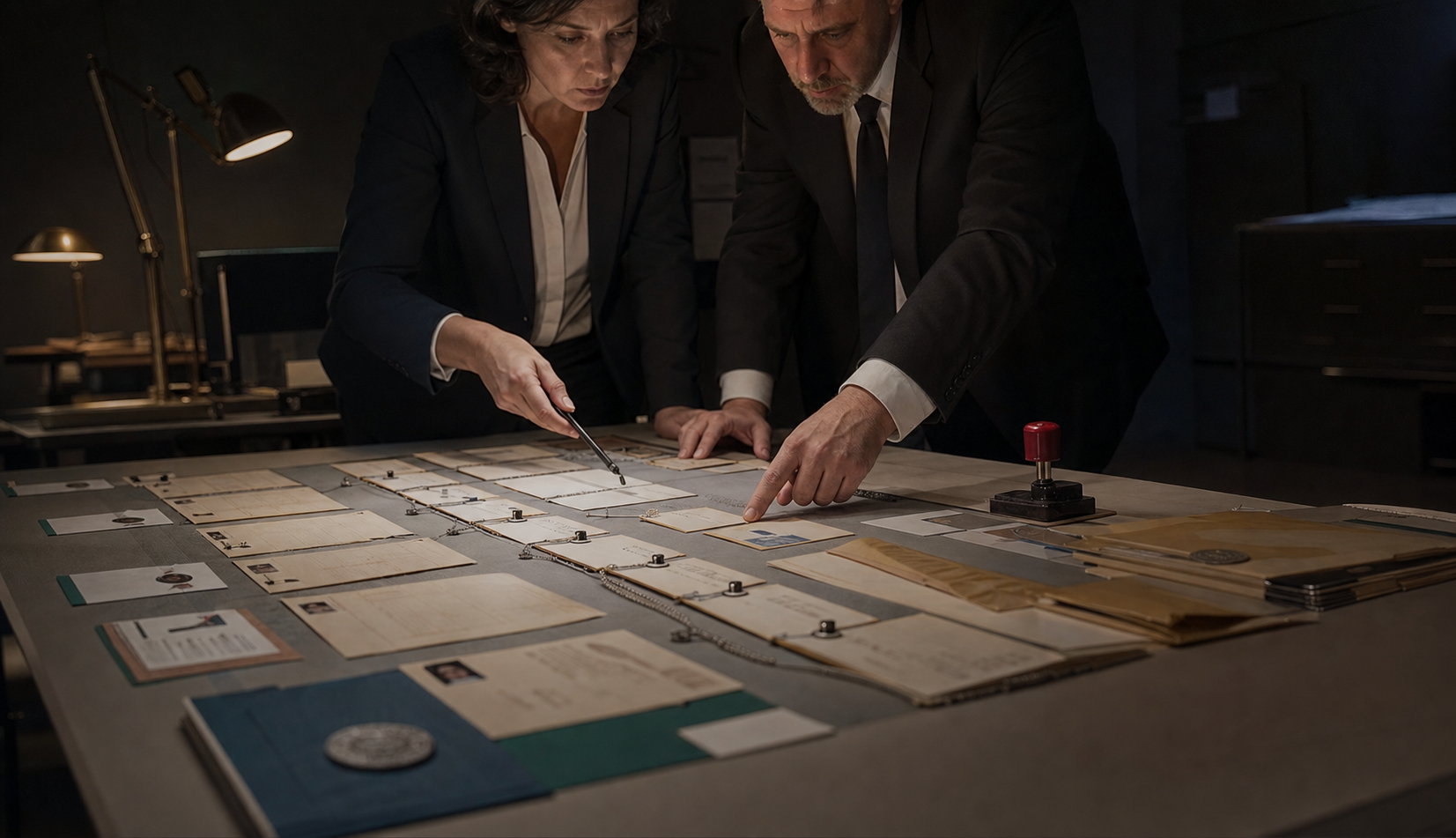
That is why a fixed requalification suite matters: representative tasks, accepted outputs, brand checks, edge cases, and a named owner who can say the replacement is safe to ship.

Deprecation discipline is now a vendor signal.
The counterpoint to Sora is not that discontinuance will stop. It is that vendors are beginning to make their behavior legible. Anthropic’s published commitments describe weight preservation and a structured retirement process; its Opus 3 update says the model was formally retired in January 2026 while continuing access was offered in selected forms.
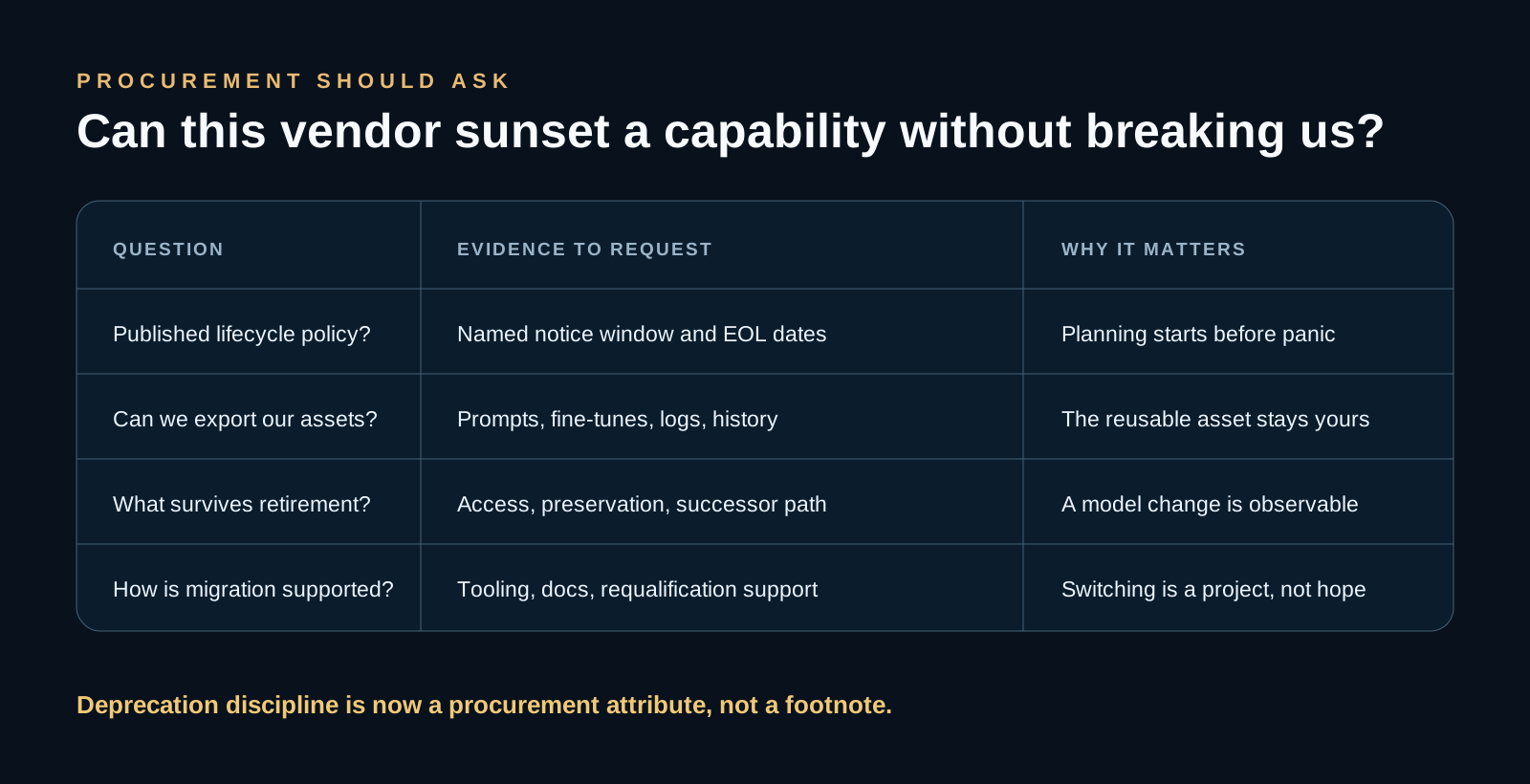
That is not a promise that every model will remain forever. It is evidence that a buyer can compare vendors on notice, preservation, migration support, export rights, and lifecycle documentation before putting a capability in production.
Build those questions into procurement alongside price and benchmark performance. The slightly less exciting model with a readable lifecycle may create more durable operating capacity.
What stays ours when this product changes?
Keep prompt libraries, evaluation data, decision logs, performance history, and the internal contract for the workflow outside a single vendor’s product.
The discontinuance playbook
Contract for the exit
Ask for notice periods, export rights, migration terms, and a clear successor path before the tool becomes business-critical.
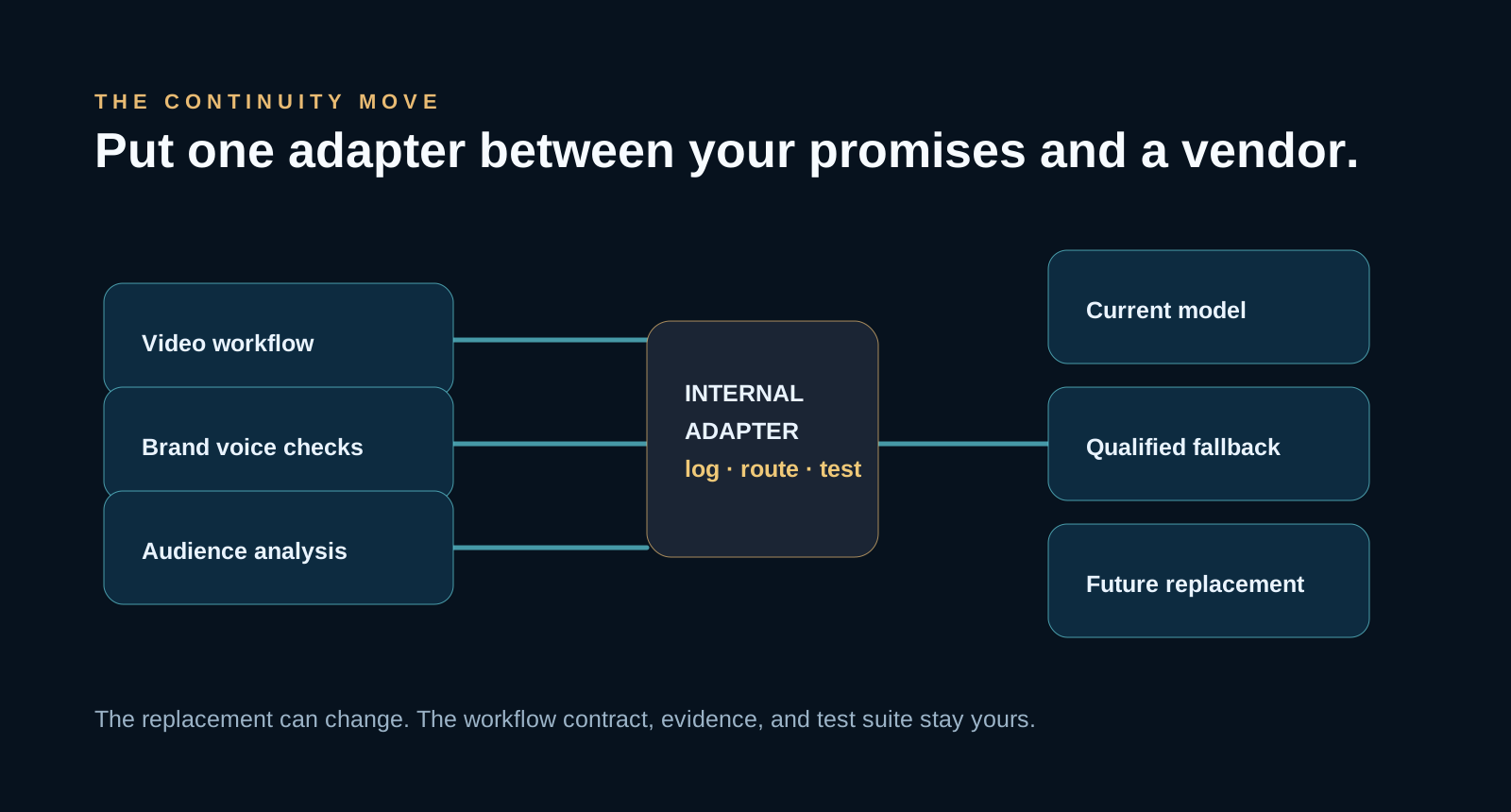
Route through an adapter
One internal interface is cheaper to redirect than forty individual workflows built against one vendor.
Keep a requalification suite
Test the representative work, the brand edge cases, and the quality threshold before a replacement is sent into production.
Own the evidence
Keep prompts, rubrics, approval rules, logs, and performance history exportable and versioned outside the vendor’s interface.
You cannot own the platform. You can own the continuity around it. That is the difference between a sunset that becomes a crisis and one that becomes maintenance.
FAQs
When is Sora shutting down?+
OpenAI says the Sora web and app experiences ended April 26, 2026. Its API is scheduled to end September 24, 2026. Teams still using the API should treat that date as a migration deadline.
How much notice do AI vendors give before retiring a model?+
It varies. Amazon Bedrock publishes lifecycle states and dates, including a Legacy period before end of life. The important procurement question is not whether a vendor will change products, but what notice, export rights, and transition support it puts in writing.
What is the difference between deprecation and vendor lock-in?+
Deprecation is the vendor retiring a product or model. Lock-in is the cost of leaving it. They compound when prompts, data, evaluation rules, and delivery workflows all live inside the same platform.
What should a marketing team do first?+
Inventory every client promise or customer-facing workflow that depends on a specific model or product. Then keep the reusable assets, logs, and test cases on your side of the line before the next migration forces the issue.

Your vendor’s roadmap is not your continuity plan.
Build the way out before the product needs one.