
It seems like only yesterday, though in the accelerated timescale of the 2020s, it might as well be ancient history, that interacting with artificial intelligence was fundamentally an exercise in waiting.
You would sit at your desk, type a prompt, and watch a cursor blink, tethered to your screen as the machine churned out tokens. We measured progress in milliseconds and output speeds. But that "stare-and-wait" era is quietly dying.
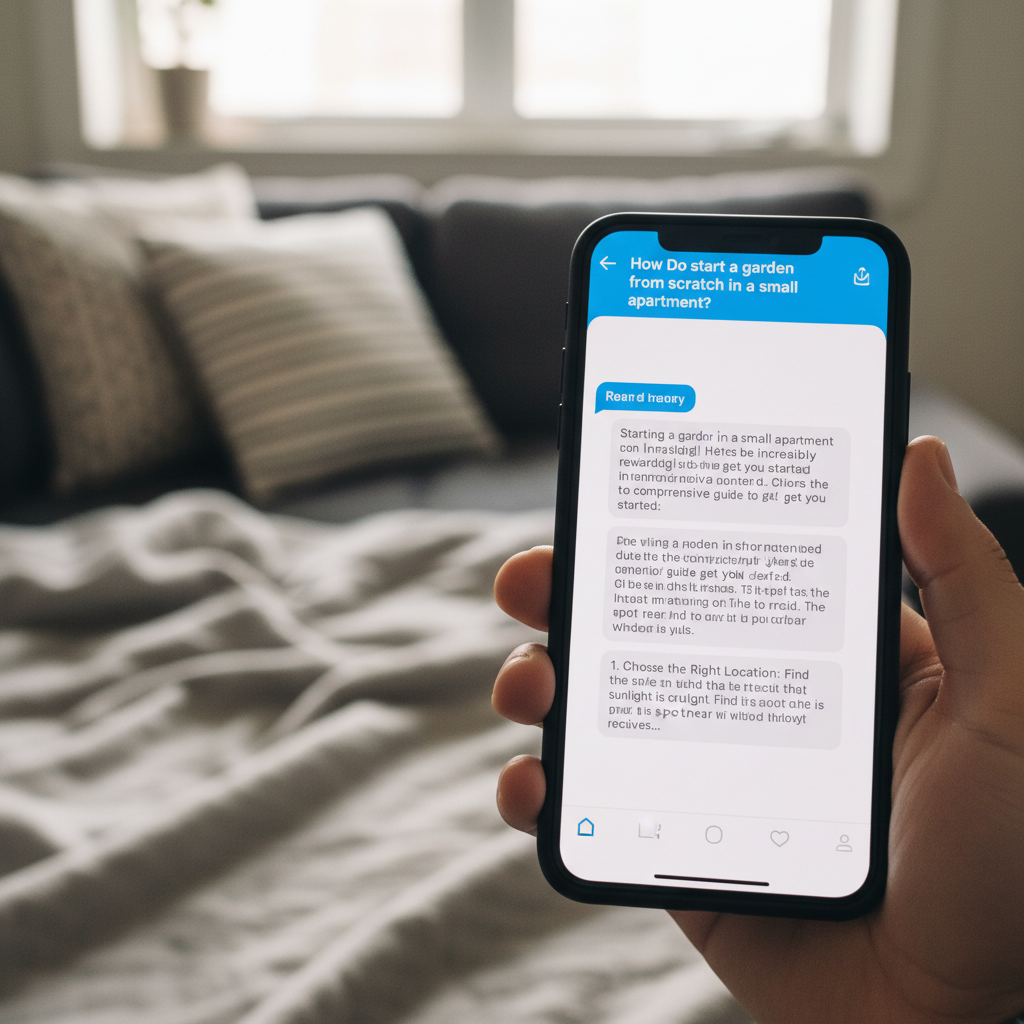
What we are witnessing is a profound psychological and operational shift. We are no longer merely chatting with a bot; we are hiring a digital coworker. The most compelling evidence of this paradigm shift arrived recently with Anthropic’s Claude Dispatch. Pitched essentially as a "remote control" for your desktop, Dispatch allows you to assign complex, multi-step chores from your phone while you are miles away, perhaps waiting in line for a latte. It fundamentally redefines the geography of where and how digital work happens.
Giving Your PC a Remote Brain
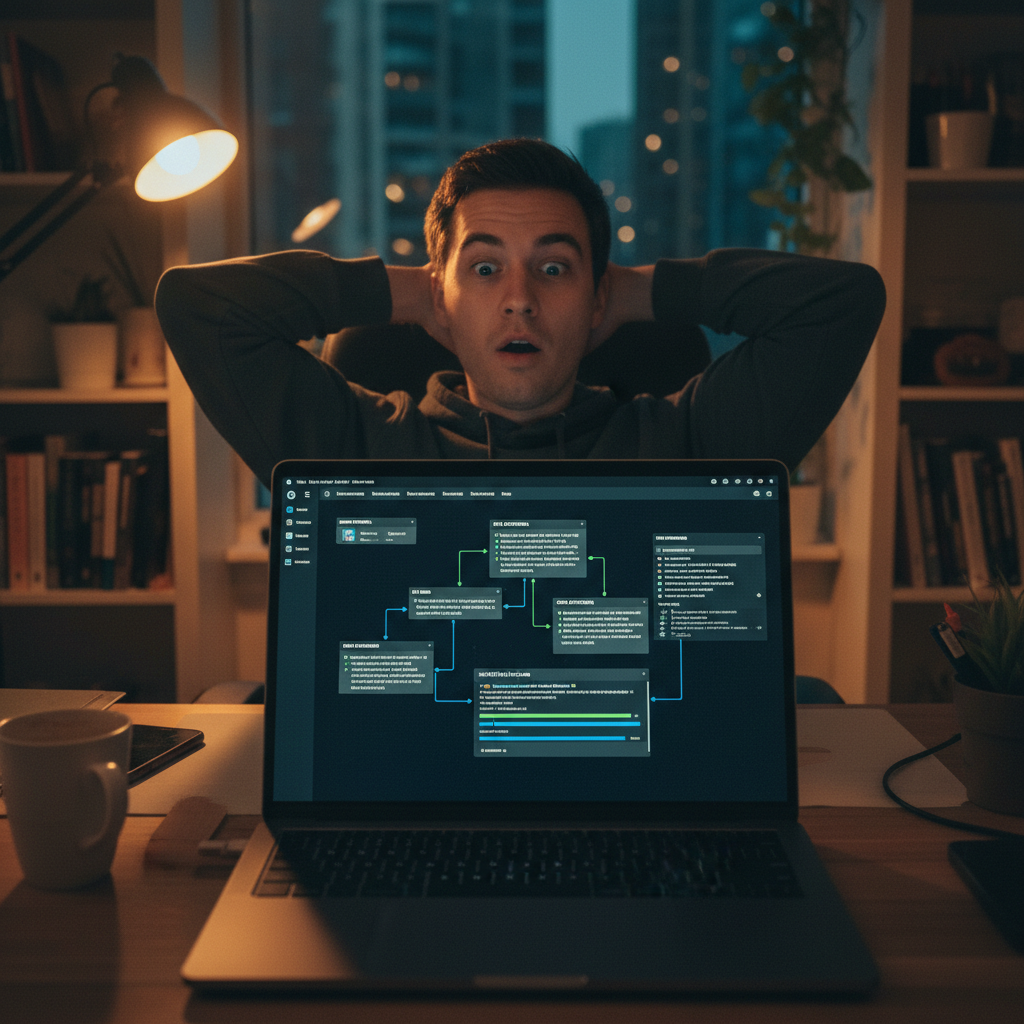
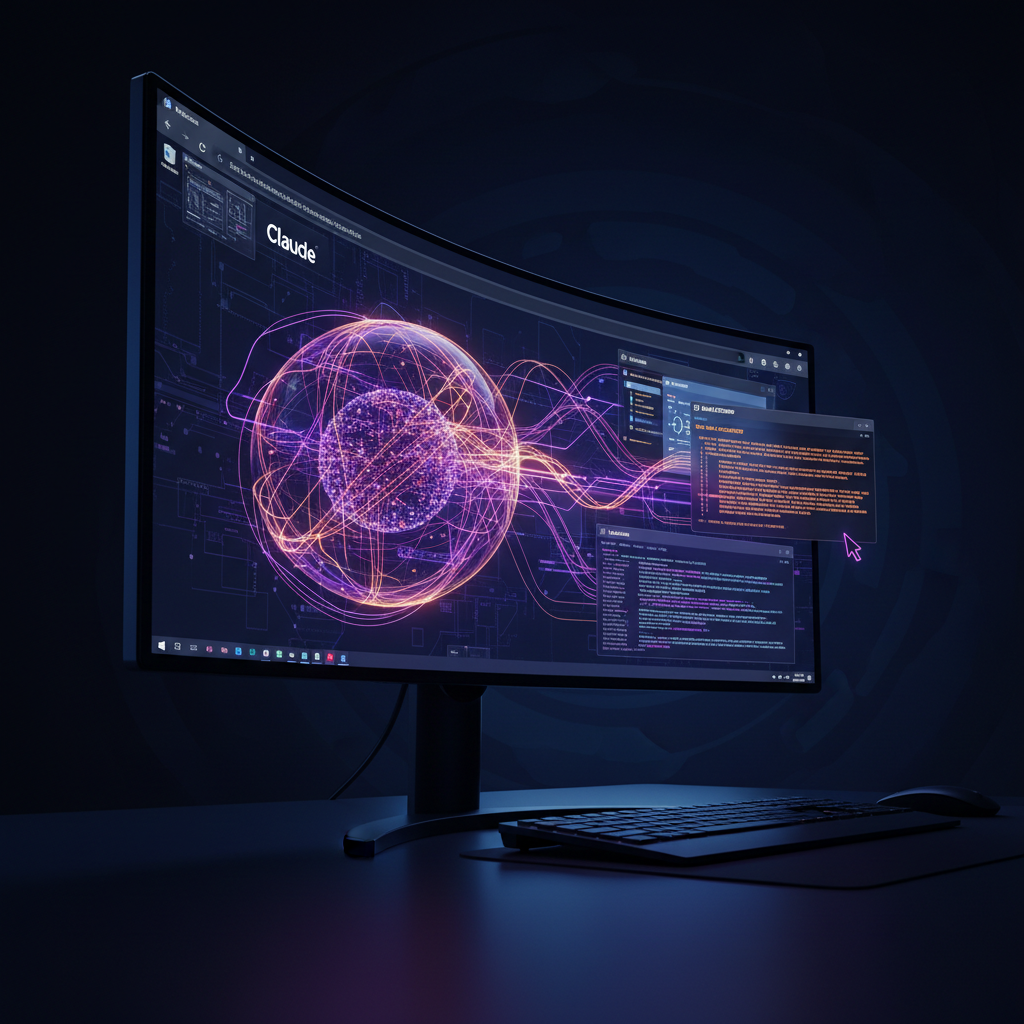
Claude isn't answering questions anymore. It's doing the work , opening tabs, writing emails, running code.
At its core, Claude Dispatch is a bridge. It marries the lightweight, ubiquitous nature of your mobile app with the heavy-lifting local processing power of your dormant desktop. You are essentially carrying the steering wheel in your pocket while the engine remains parked in your home office.
The "secret sauce" enabling this is the Model Context Protocol (MCP). MCP is less of a feature and more of a digital nervous system. It permits Claude to reach beyond the walled garden of its native interface and dig its fingers into your local file system, your sprawling Slack channels, and your tangled Jira boards.
The initiation of this system is fascinatingly analog. It requires a QR code pairing, a visual handshake between your phone and your monitor. Yet, for all its futuristic promise, it is anchored by one hilariously human caveat: if your computer goes to sleep and the screensaver activates, your AI assistant goes to sleep, too. It is a stark reminder that software, no matter how intelligent, remains a prisoner to hardware.
The "Wait, You Can Do That?" Use Cases
The Background Research Lab
Users are submitting massive, multi-layered deep-dive requests during their morning commute. The desktop churns through the data all day, ensuring a briefing is sitting in their inbox by home time.
The "Dinner-Saving" DevOps
Fixing pipeline errors via phone, commanding a desktop terminal remotely without ever abandoning the appetizer on a dinner date.
The Life OS
Snap a photo of physical mail, extract text, update Obsidian, and block out calendar events, all remotely through Dispatch.
Code-Free File Studio
Batch-renaming hundreds of files or transcribing local audio recordings with simple conversational commands.
The Agentic Leap
Why does this matter? Because we are living through the historical shift from synchronous computing to asynchronous delegation. Early AI required a continuous loop of prompt-and-response. Dispatch represents the "agentic leap." We have moved from simple oracles that answer questions to integrated systems that actually do things in the background while our attention is directed elsewhere.
The Tea: Drama in the Ecosystem
The controversy surrounding OpenClaw, a third-party tool that was effectively gutted by Anthropic's recent policy changes, has sparked cries of a "rug pull." It highlights the existential dread of the developer class.
This fear was only amplified by CEO Dario Amodei’s blunt warning about "AI wrappers." By integrating these sweeping capabilities natively, Anthropic is accused of "Sherlocking" its own ecosystem.
The 2026 Roadmap
Looking ahead, the evolution of the desktop OS seems destined to accelerate. Native support for Windows (x64) is finally on the horizon, promising to bring Dispatch to the enterprise masses.
Model Fennec
A staggering 90% success rate in navigating complex, unforeseen desktop UIs. The line between human and AI interaction vanishes.
"Your computer is no longer just a screen... It is the physical anchor for an Autonomous OS."