The Rise of the
Neighborhood Pollinator
“Why hyper-local is the new global in an era of aesthetic exhaustion.”
March 30, 2026 · 7 min read
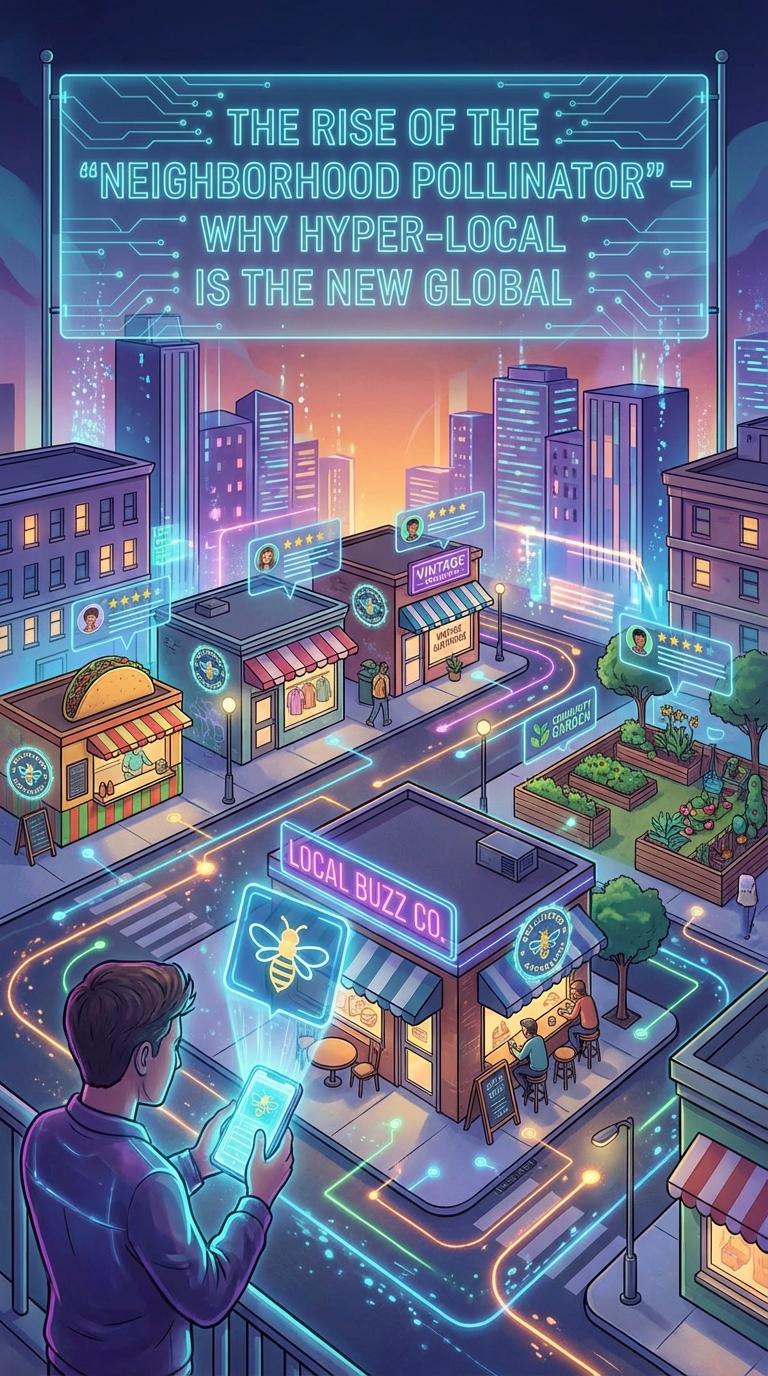
Figure 1: The granular heartbeat of the city
We are living in an era of profound aesthetic exhaustion. The sight of a macro-celebrity draped casually across the leather seats of a private jet once provoked a sense of aspiration; today, it feels distinctly “2020” — a relic of a detached, hollowed-out cultural epoch.
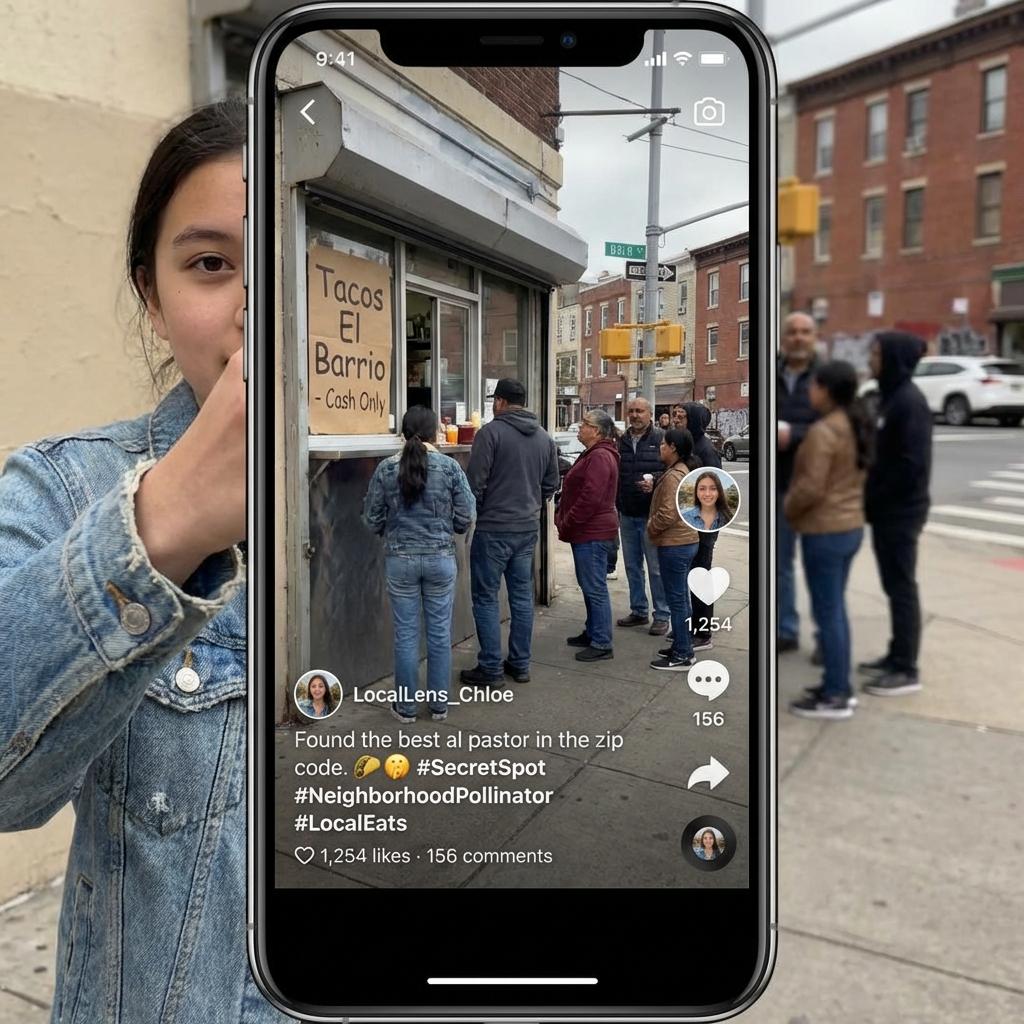
We no longer crave the unreachable. Instead, we find ourselves captivated by a shaky, vertical video of an unmarked taco window tucked into our own zip code. Enter the “Neighborhood Pollinator.” These are the hyper-local influencers, commanding relatively modest audiences of 1,000 to 15,000 followers. Their power does not stem from broad, algorithm-pleasing niches, but from the messy, granular authenticity of a “lived experience.”
Historical Context
“Herb Caen... pioneered a ‘three-dot’ writing style that reads, in retrospect, as the analog blueprint for modern social media — a staccato rhythm of gossip, observation, and local lore.”
15%
Local Engagement Rate
“Exponentially more valuable than a 1% global reach.”
The Economics of Authenticity
If we examine the underlying economics of this shift, the transition becomes glaringly rational. Why is your local coffee nerd demonstrably more powerful than a Kardashian? Consider the “Alpaca Effect.” In a fascinating recent case study of localized virality, a mere 15-second video posted by a micro-influencer drove 600 people to a Chattanooga alpaca farm within 24 hours.
This hyper-local pivot is the natural antidote to our collective digital fatigue. We are psychologically wired to trust our neighbors more than heavily airbrushed, focus-grouped celebrities selling detox teas. Multinational brands, sensing this shift in the zeitgeist, are rapidly “zip-coding” their strategies to survive.
The Local Pulse
Listen to the ambient sounds of the neighborhood — the raw texture of a city's survival.
Yet, to romanticize this trend without examining its externalities would be intellectually dishonest. There is a palpable aesthetic and economic cost to hyper-local influence. When a neighborhood adopts a homogenized “West Village Girl” vibe, it often triggers “Content Tourism” — a phenomenon where crowds flock to capture an aesthetic, ultimately hiking the commercial rent and displacing the very culture the influencer sought to celebrate.
“The ultimate flex is staying intensely local. The most valuable asset one can possess is not a passport stamped with exotic locales, but the hard-earned status of a trusted insider in one's own backyard.”
As we look toward the horizon, the architecture of local influence is fracturing into more intimate, high-tech spaces. The public feed is slowly giving way to the shadows of “Dark Social.” Conversations and hyper-local recommendations are retreating behind the walled gardens of private Discord servers and neighborhood WhatsApp groups.
The next time you observe someone meticulously adjusting the lighting to film their morning latte, reserve your cynical judgment. You might just be looking at the most powerful person in your zip code.