Google Just Changed How Search Works

Five new AI Mode features dropped on May 6. The implication is bigger than the features. Google is restructuring search itself around reasoning, not ranking.

DS
Dellon S.
May 8, 2026  ·  7 min read
Google AI Mode expansion May 2026, search transforming into AI reasoning engine
Google is not optimizing search. It is replacing it.

Five Updates. One Structural Shift.

On May 6, Google pushed five new updates to AI Mode: multi-turn follow-up reasoning, image understanding in deep research, longer context windows, faster processing, and higher factual accuracy with source cross-checking.

None of these are individual breakthroughs. Together they spell one thing: Google is no longer trying to make search better. It is trying to make search irrelevant.

The company that built a trillion-dollar empire on ranking is now building one on reasoning. For anyone whose business depends on search visibility, this changes what you need to do.

5
AI Mode updates in one release
1B+
Google searches per day at risk
20%
Click-through rate drop since AI Overviews
2026
Year reasoning replaces ranking

What Actually Changed on May 6

Follow-ups with reasoning
AI Mode now maintains context across multi-turn follow-up questions in the same reasoning session. Google is training users to think of search as a conversation, not a query.
Image understanding in deep research
Upload a screenshot, chart, or design mockup and reasoning mode analyzes it. That is an entirely different interface than showing links to what you searched for.
Longer context windows
The system retains more conversation history, stitching reasoning across queries. This is how Claude and ChatGPT work. It is not how Google has ever worked.
Faster processing
Reasoning outputs are measurably snappier. When you are replacing a search bar with a thinking engine, speed is the adoption lever.
Higher accuracy in factual claims
Reasoning mode now cross-checks its outputs against indexed sources with higher fidelity. Google is training the model to cite properly, which means training users to trust it.
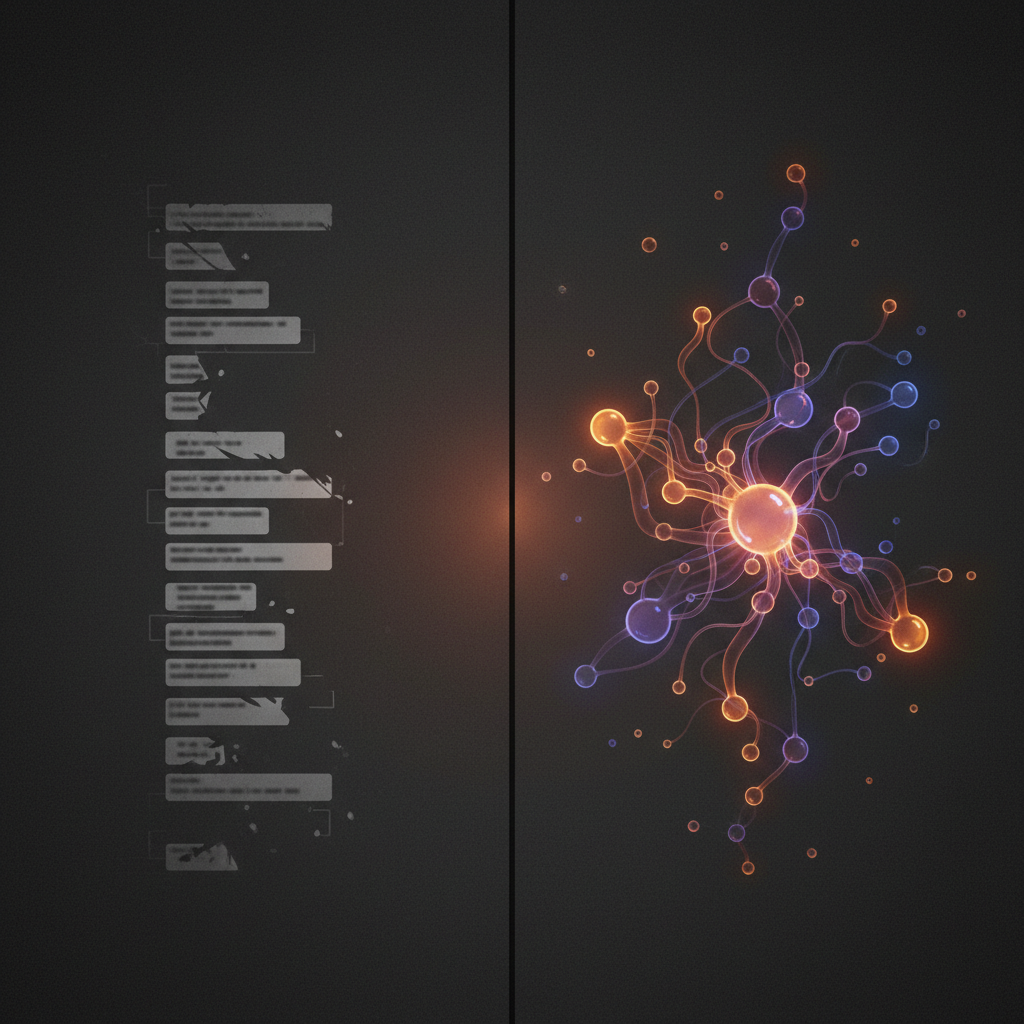
Traditional search ranking versus Google AI reasoning mode comparison
Old model: rank and retrieve. New model: reason and synthesize.

The SEO Industry Is About to Panic

For 20 years, the entire SEO industry has been optimized around one principle: get your content ranked in the top 10 results of a search query. Everything flows from that. Keyword research, link building, on-page optimization, content strategy, budget allocation.

None of that works when there are no search results to rank in. Google AI Mode does not show a list of websites. It generates answers. When someone asks "what is the best CRM for B2B SaaS," AI Mode reasons through the question, analyzes use cases, cross-references pricing data, and synthesizes a prose answer.

What matters now is whether your brand gets cited inside reasoning. Not ranked. Cited. The difference is massive.

Traditional SEO is not dead overnight. But the mechanism that moves people from Google to your site has changed structurally. If you want to understand the full scope of this shift, the citation moat framework is the clearest model for how to build visibility in an AI-reasoning world.

Digital marketer reviewing Google AI Mode search changes at night
Every marketer who relies on organic traffic is looking at their dashboard differently today.

What You Actually Need to Do Now

01
Write for reasoning, not ranking
AI reasoning models favor content with clear claims, specific stats, named entities, and quotable sentences. Write like an expert who gets cited, not like an article that gets clicked.
02
Build entity authority
Google needs to know your brand is a trustworthy, well-defined entity. That means consistent presence across authoritative sources, Wikipedia-style entity signals, and cross-platform corroboration.
03
Optimize for the cited answer, not the click
The goal is not to get traffic from a query. The goal is to be the source reasoning references when answering that query. Structure your content to be the definitive answer on specific topics.
04
Monitor AI citations, not just rankings
Start tracking whether your brand appears in AI Mode answers for your target queries. This is the new rank tracking. Tools are emerging. Set it up now before everyone else does.

The Bottom Line

Google is not adding AI features to search. It is replacing search with AI. The brands, creators, and marketers that figure out how to get cited inside reasoning sessions will own the next era of organic visibility. Everyone else will watch their traffic charts go flat.

If you want to go deeper on the attribution and measurement side of this shift, the piece on Google AI Mode and invisible intent covers what happens when you can no longer see what users were actually looking for.