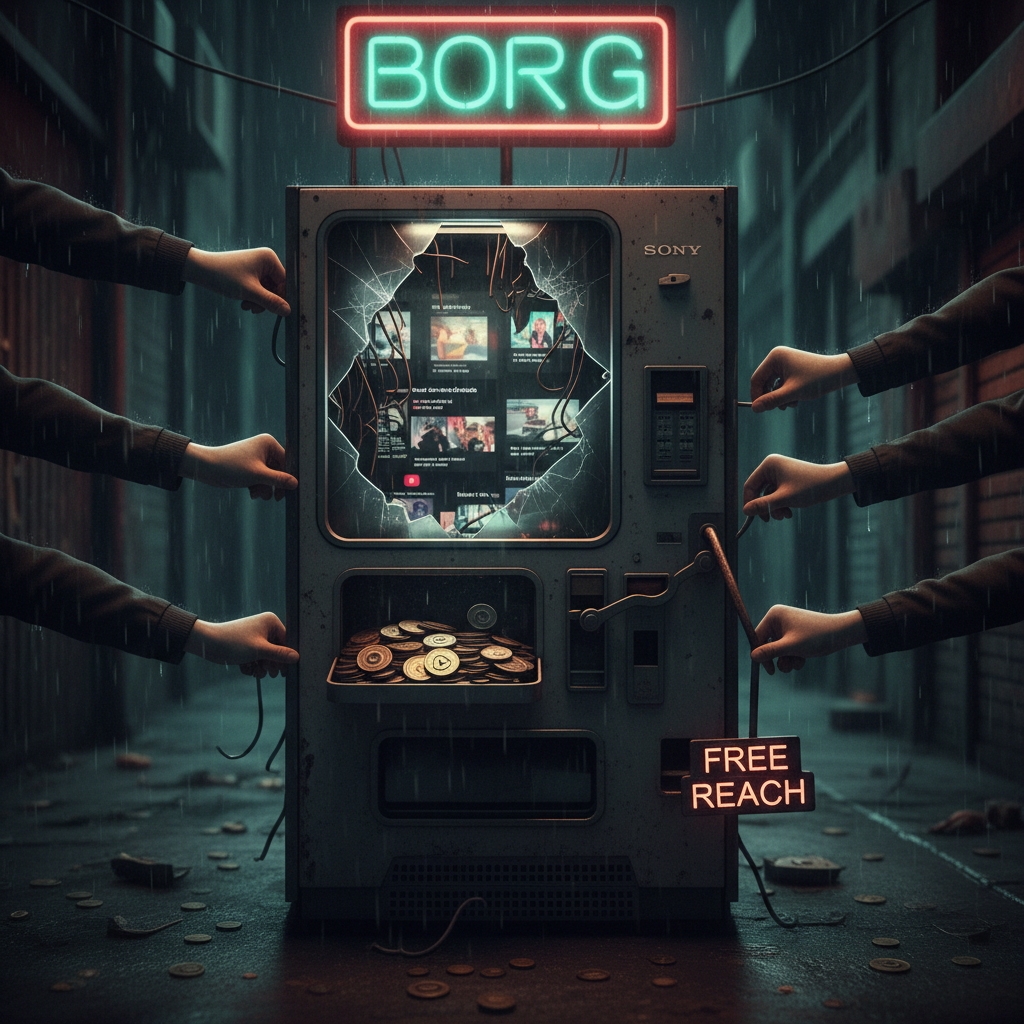
For the past five years, the deal between creators and brands was stupidly simple: creators made content, brands paid them, the algorithm did the rest. Organic reach was the subsidy that made the entire system work.
That's over now.
The Reality
- ✓By 2028, platforms will capture more revenue from creator content than creators will
- ✓Organic reach didn't die accidentally, it was systematically engineered to force brands into paid amplification
- ✓Follower count is no longer a meaningful metric for creator value
- ✓The "Casting Era" is replacing the Influencer Era: micro-creators + paid boosting > individual big names
- ✓Creators who survive are building owned channels, not betting on algorithmic reach
The free lunch era didn't end because creators got worse at making content. It ended because platforms systematically choked off organic reach to force brands into paid amplification. And the numbers prove it: in 2028, brands will spend $16.1 billion to boost creator posts on social media. That's more than they'll spend paying creators to make the content in the first place ($15.71 billion).
This shift isn't temporary. It's the new structure.
If you're betting on organic reach coming back, you're building your business on sand.
$16.1B
Projected spend on paid amplification by 2028
$15.71B
Projected spend on creator payments by 2028
2018+
Years platforms have been killing organic reach
70/30
Old budget split (creator payment vs platform ads)
The Algorithm Was Engineered to Fail
Nobody wants to say this out loud, but platforms like Instagram and TikTok didn't accidentally reduce organic reach. They built it into the algorithm on purpose.
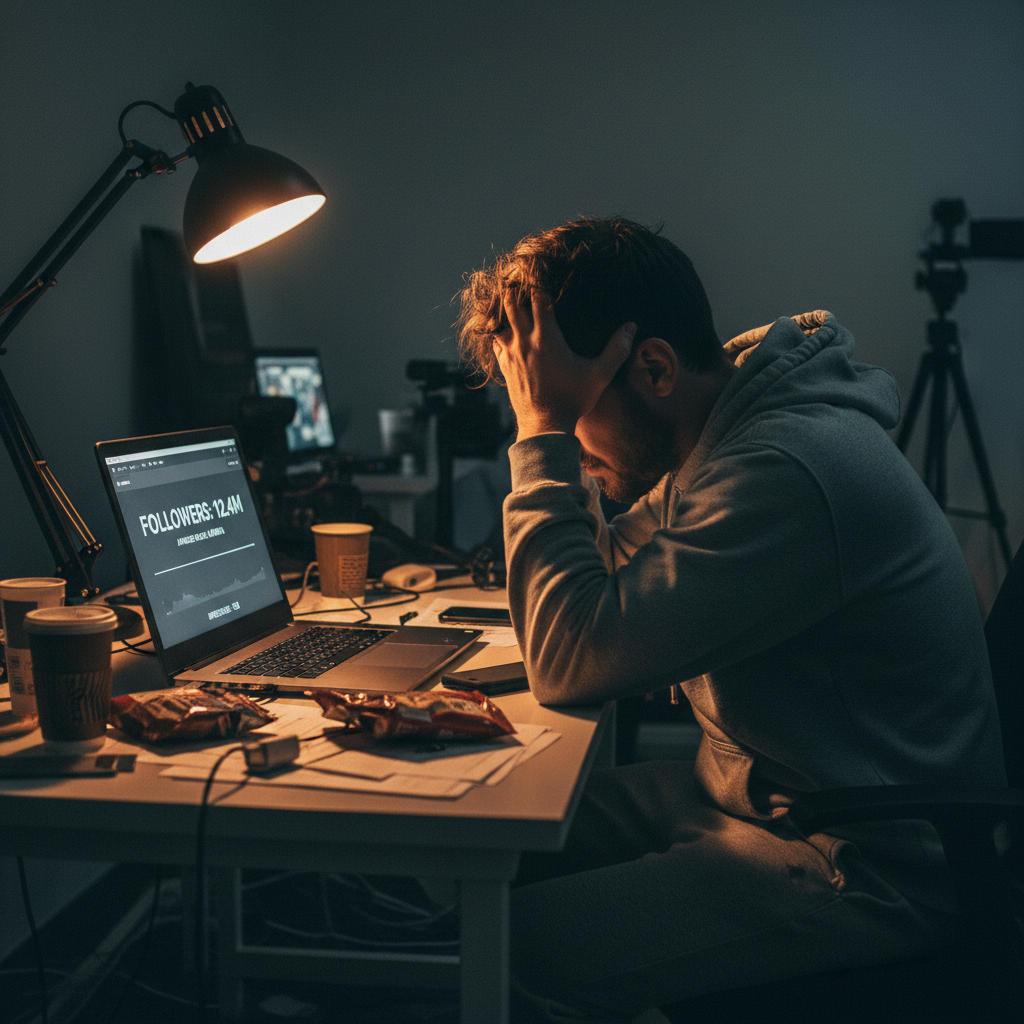
When Facebook and Instagram first started choking off organic reach around 2018, the conventional narrative was that it was about relevance and quality. The real reason was simpler: it forces brands to pay for amplification instead of getting it free.
The Death of Follower Count As Currency
For years, brands hired creators based on one metric: followers. A creator with 500K followers was 10 times more valuable than one with 50K. That was the law of the land.
The Casting Era is replacing the Influencer Era.
Brands are now distributing budgets across micro-creators (2K-10K followers) and relying on paid amplification to get the reach. It's cheaper, more authentic, more diverse, and the performance metrics actually work out better than big-name endorsements.
What Creators Actually Need to Understand
One
Organic reach is dead as a monetization strategy.
You need to build owned channels (email lists, communities, apps) that don't depend on platform algorithms. Some creators are quietly building their own apps and subscription platforms specifically for this reason.
Two
You cannot outrun paid amplification through content quality alone.
A mediocre post boosted with $5K in platform ads will beat a masterpiece post with zero amplification. Brands know this. That's why they're shifting money to platform ads instead of creator payments.
Three
Follower count is no longer your currency.
Your ability to show consistent performance in a boosted environment is. Platforms are starting to track and reward creators whose content performs well when amplified. If your content needs massive organic reach to succeed, you're already obsolete.
Four
The only viable path forward requires leverage.
You either need to own your distribution channels or negotiate a cut of the platform amplification budget. Most creators are getting neither. Most are getting squeezed out of the equation entirely.
What's Actually Happening: Platform Rentierism
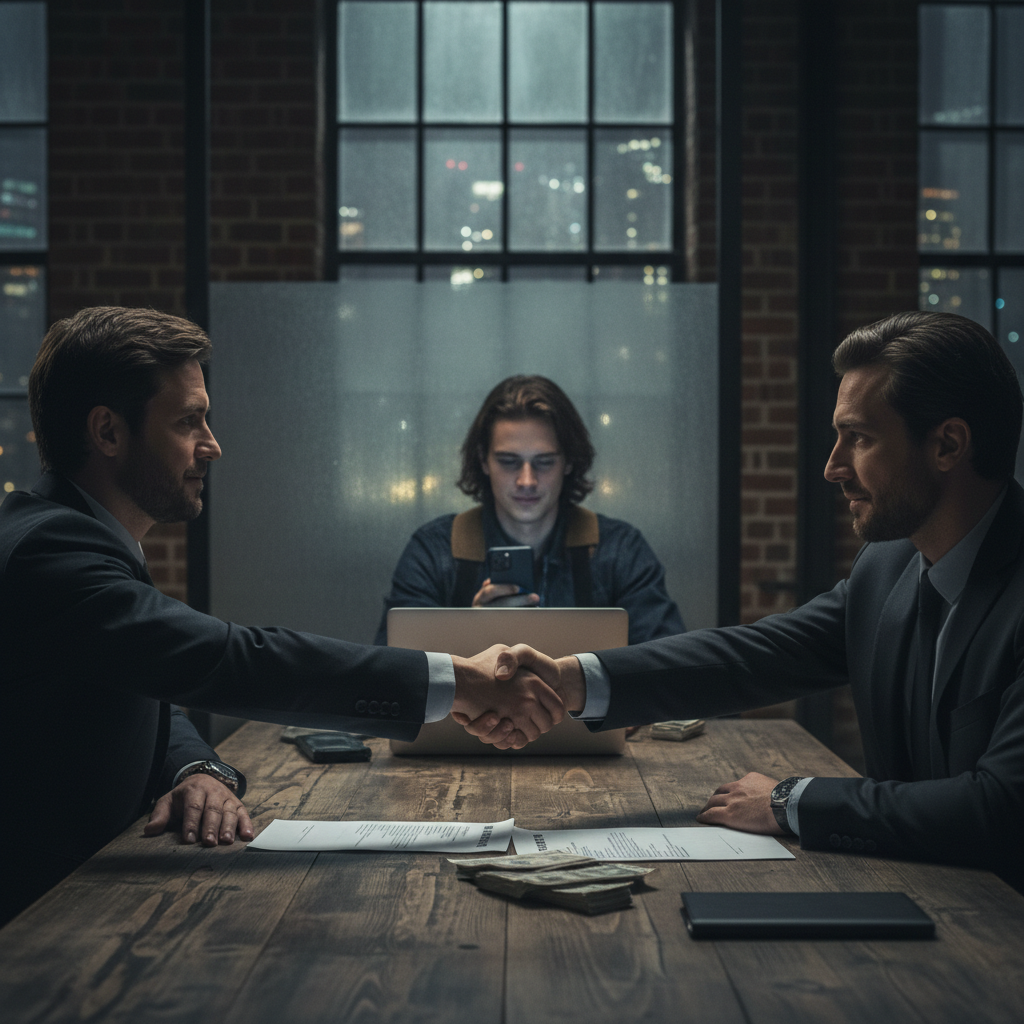
Let me be blunt: this is the transition of social media from a creator-friendly distribution channel to a platform-controlled rentier system. Creators used to think of social platforms as free distribution channels. Post once, reach millions for free. That was the value proposition that made creators rich.
If you haven't read about the rise of the Casting Era or the likeness economy's threat to authentic creators, now's the time. These are connected pieces of the same structural shift.
The free lunch era died because platforms engineered its death.
If you're a creator, the question isn't whether this is fair. It's whether you're building something that survives it. Owned channels, communities, and direct-to-audience monetization. Those are the only hedges against algorithmic collapse.
Back to all posts →