
TL;DR
- New 2026 research: 20% of ChatGPT outbound traffic goes directly to Google search.
- ChatGPT is becoming a filter layer, not a Google replacement.
- Users ask AI first, then verify on Google before acting on high-stakes decisions.
- SEO goal shifted from first click to trusted verification source.
- Original data and primary sources beat AI-synthesized summaries in this new stack.
Two years ago, publishers were panicking. ChatGPT was exploding and the consensus was simple: if users get answers from AI, they stop clicking through to websites.
That fear was logical. And it was wrong.
New data shows ChatGPT users return to Google at a rate that inverts the entire replacement narrative.
Between 2024 and January 2026, ChatGPT's referrals back to Google grew significantly. Today, roughly 20% of ChatGPT's outbound traffic goes directly to Google. That is not a rounding error. That is a structural pattern.
Why ChatGPT Keeps Sending Users Back
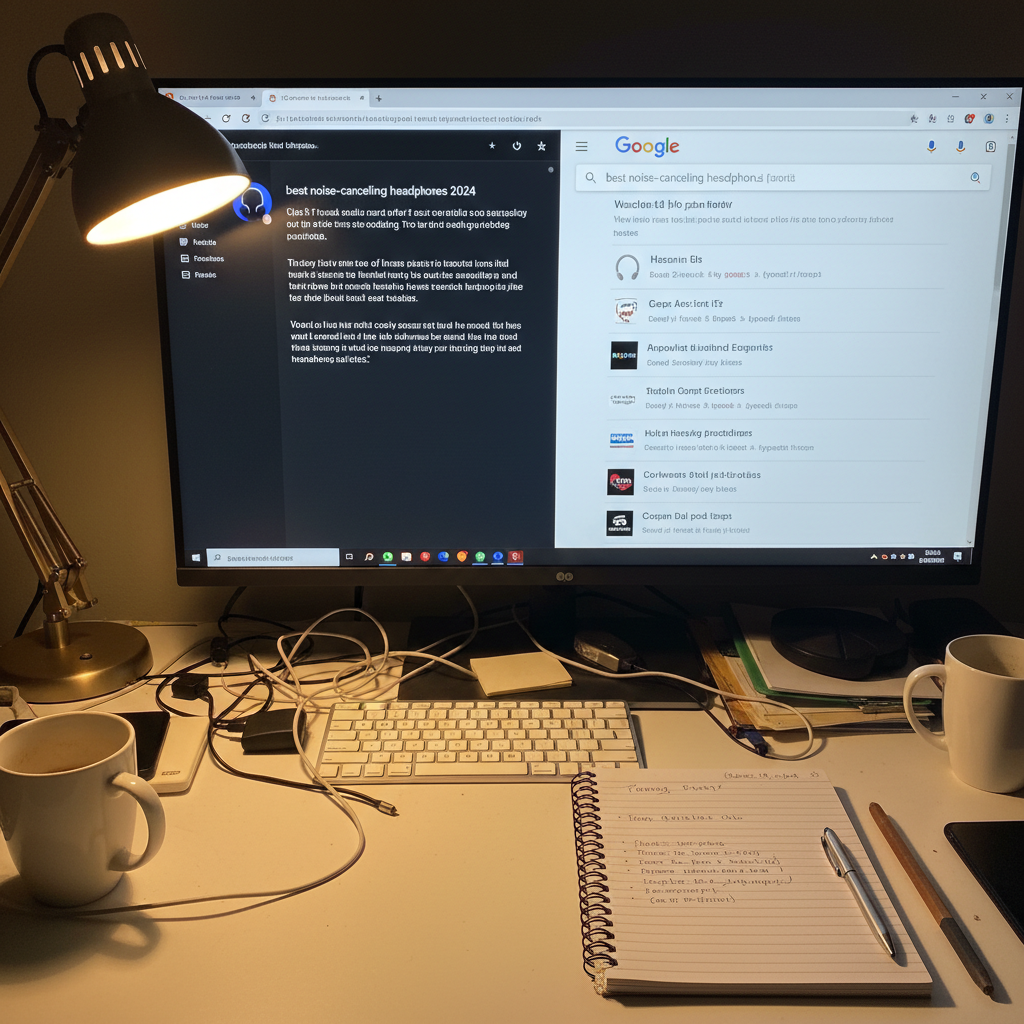
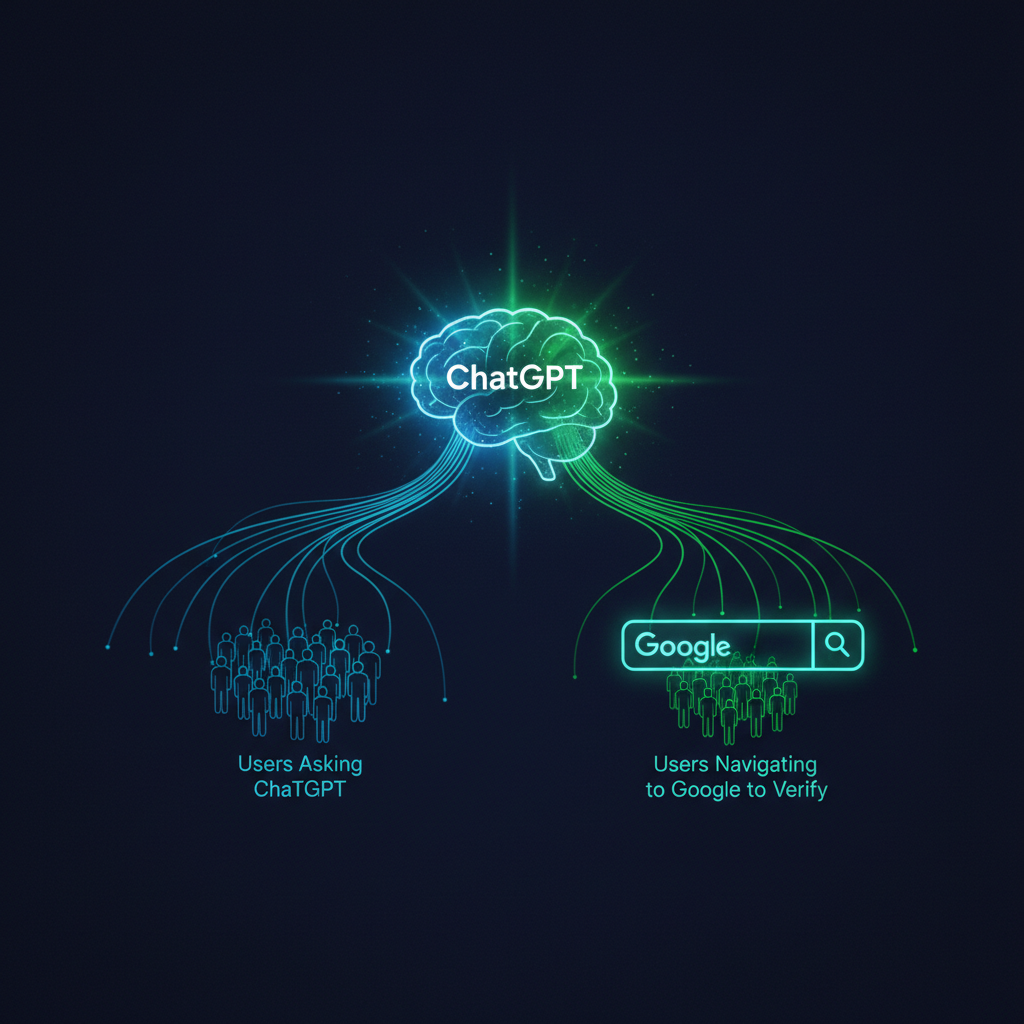
Users ask ChatGPT, then verify on Google. ChatGPT is the new top of the funnel.
The verification loop
Users ask ChatGPT and get a synthesis. Then they search Google to verify. Not because they distrust AI, but because they want the primary source, the current data, the real evidence before acting.
This is especially true for high-stakes queries: health decisions, financial advice, technical implementation. ChatGPT frames the question. Google closes the loop.
ChatGPT became a filter, not an oracle. It narrows your search intent and sends you to Google with better questions.
What This Changes for Content Strategy
The strategy shift
If ChatGPT users are returning to Google to verify, the SEO goal is no longer “first click.” It is “most trusted verification source.” That changes what you optimize for entirely.
Build for the second search
Users already have the overview from AI. They want depth, specifics, and evidence. Structure content to answer the verification question.
Lead with original data
AI cannot generate your proprietary research. Internal surveys, first-party benchmarks, original analysis make you the verification destination.
Make sourcing visible
If someone clicked through from an AI-assisted search, they want to see where the claim came from. Lead with your sources, not footnote them.
For the full picture on how AI is reshaping search, the breakdown on AIO, GEO, and AEO covers what is actually replacing traditional SEO in 2026.
Bottom Line
The brands treating ChatGPT as a threat are missing the opening. If AI is sending users back to Google and you are the most authoritative result they find there, you just got more qualified traffic than the old model ever delivered.
Back to all posts