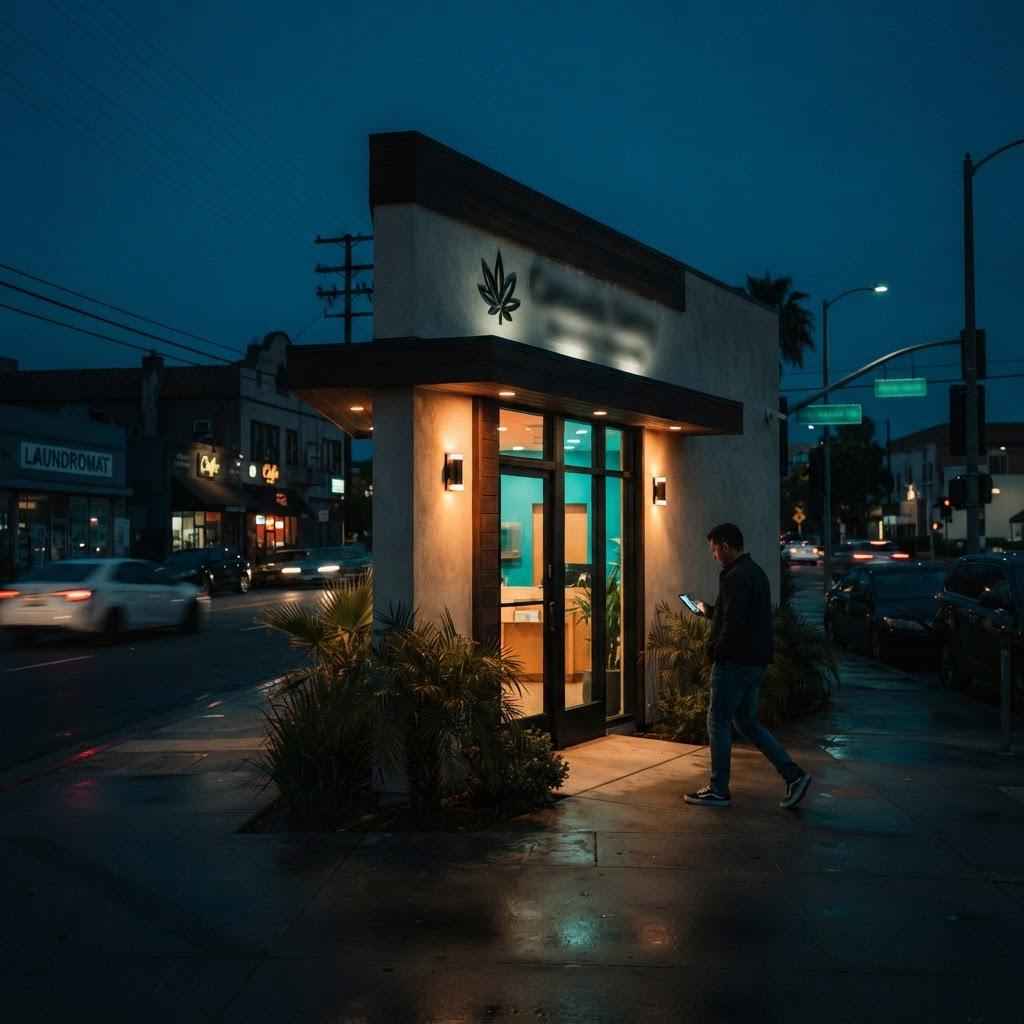
A cannabis customer rarely starts with a brand. They start with a need, a neighborhood, and a short list of places that appear open, close, and trustworthy.
That makes cannabis local search less like a traditional SEO contest and more like a retail operations test. If the hours are wrong, the menu is stale, delivery coverage is unclear, or the store looks impossible to trust, a high-intent customer disappears before the marketing team ever sees the visit.
The California Department of Cannabis Control's strategic plan for 2026 through 2031 puts legal-market trust and access at the center of its priorities. Retailers should read that as a business signal, not just a policy update. The brands that make legal buying feel clear and dependable will have an advantage over the ones that only publish more content.

[INSIGHT] The customer is not asking which cannabis brand has the best content. They are asking which nearby option feels open, clear, and worth the trip.
Local search is a promise
A search result is a promise about what happens next. A location appears, the customer taps through, and they expect the business to match the information that convinced them to visit.
That sounds basic. It is not. Cannabis retail has more moving parts than a normal local purchase. Store hours can differ from delivery hours. A product can be visible in a menu and unavailable by the time the customer arrives. Pickup rules can sit on one page while the checkout flow quietly introduces different requirements. A customer may forgive a restaurant for running out of a side dish. They are less likely to forgive a dispensary that made them drive across town for an item that was never available.
Google's guidance for business information is built around accurate, complete details. That principle matters even more in a regulated category where customers already have questions about identification, payment, delivery, pickup, and product information.
The local listing is not a small directory entry. It is the first version of the customer experience.
The menu is part of marketing
Many cannabis brands still treat the online menu as an inventory mirror. That misses the larger role it plays. The menu is often the first place a customer decides whether the store understands what they came to buy.
A useful menu answers practical questions quickly. Is the product available now? What format is it? What is the price before taxes and fees? Can the customer reserve it, pick it up, or have it delivered? Is the product description specific enough to support a choice without drifting into claims the business cannot substantiate?
The strongest menus reduce uncertainty. They do not bury the important detail under a wall of product names and promotional language.
That is why Google's structured data documentation is useful even when a retailer is not trying to win a technical SEO award. Clear, machine-readable information is a discipline for the business itself. If a team cannot keep location, product, and offer details consistent across its own systems, search visibility will expose the weakness rather than solve it.
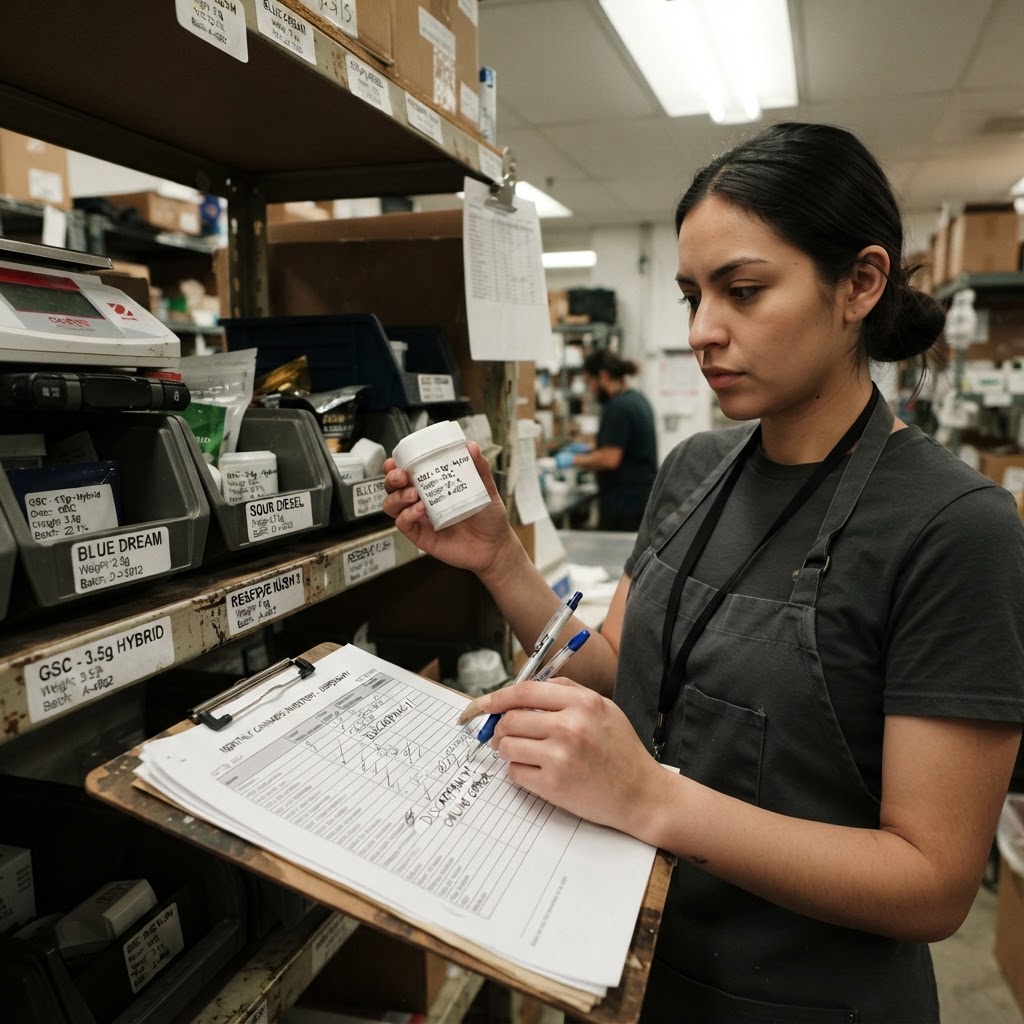
The expensive gap between discovery and visit
The most damaging local-search failure is often not a ranking problem. It is the gap between what the customer sees and what the store can actually deliver.
A customer finds a nearby location, sees a promising menu, and starts the trip. Then the store is closed earlier than expected. The advertised delivery area excludes the customer's address. The featured product is gone. The payment information is hard to understand. The customer leaves with a simple conclusion: this brand made the purchase harder than it needed to be.
That experience compounds. The lost order is only the visible cost. The customer also loses confidence in the next search result from the same brand. A competitor with a less polished identity but better operational accuracy can win the next visit.
This is why checkout friction is a marketing problem, not merely a conversion-rate problem. Friction tells the customer that the business has not connected its promise to its process.
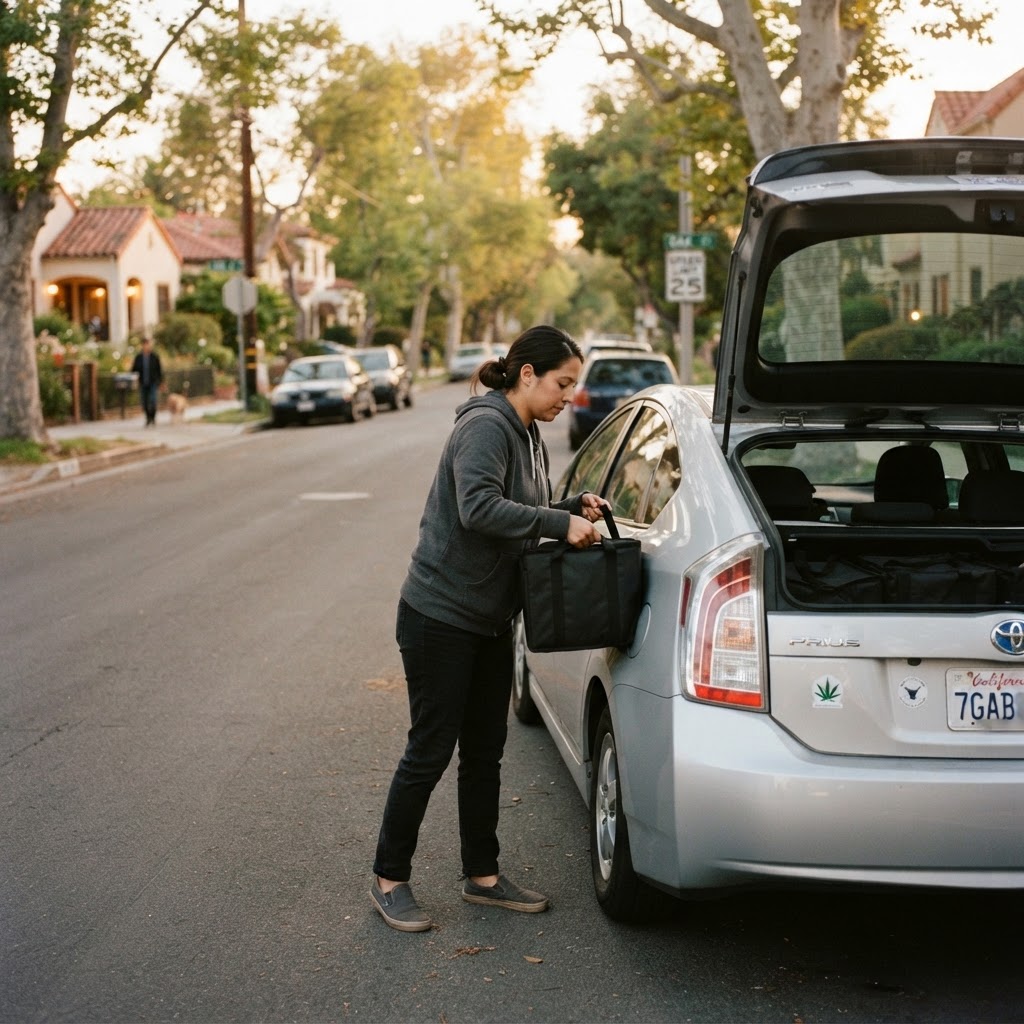
Trust has a local texture
Cannabis brands often talk about trust as if it were a national brand attribute. Local customers experience it in smaller details.
They notice whether the location looks legitimate. They notice whether the product information is calm and specific. They notice whether the address, hours, menu, and delivery instructions agree. They notice whether the checkout process explains fees and requirements before asking for commitment. These signals are not glamorous, but they are persuasive because they answer the customer's private question: will this be easy and normal?
Trust also has a visual dimension. A store can have a polished logo and still look confusing from the street. A delivery brand can have strong social content and still make a first-time customer wonder how the handoff works. The job is not to make the category feel louder. The job is to make the experience feel legible.
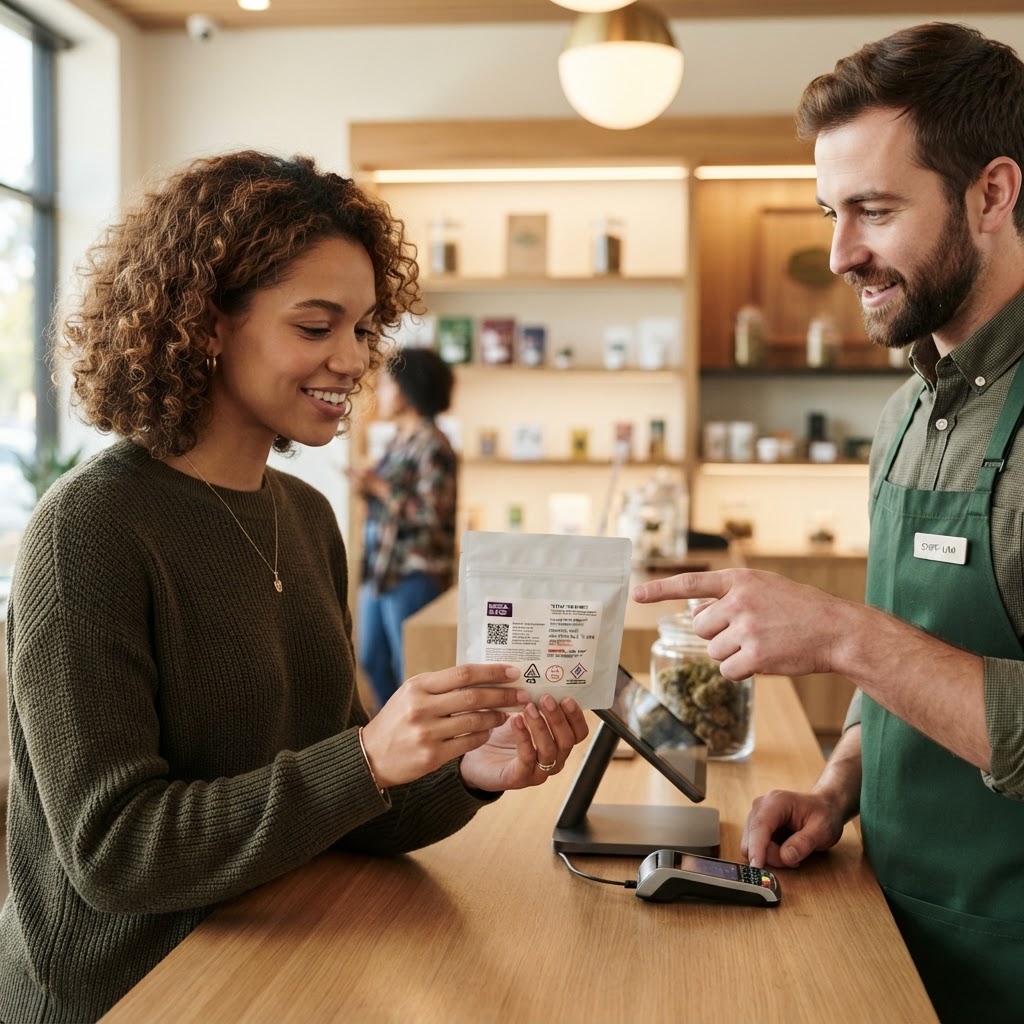
The new local playbook
A better local-search program starts with the operating truth, then turns that truth into useful public information.
First, assign one owner to the accuracy layer. Someone should be responsible for checking hours, location details, delivery coverage, pickup instructions, menu feeds, and major landing pages. If every team owns a small piece, nobody owns the customer promise.
Second, organize content around local decisions instead of broad category terms. A location page should help a nearby customer choose what to do next. It should answer the practical questions that prevent an abandoned visit, not just repeat a brand paragraph across every city.
Third, connect search reporting to store outcomes. Track the searches and pages that create calls, direction requests, menu views, reservations, completed orders, and repeat visits. Traffic is useful, but it is not the finish line. A page that attracts attention and sends people into an unreliable experience is not doing its job.
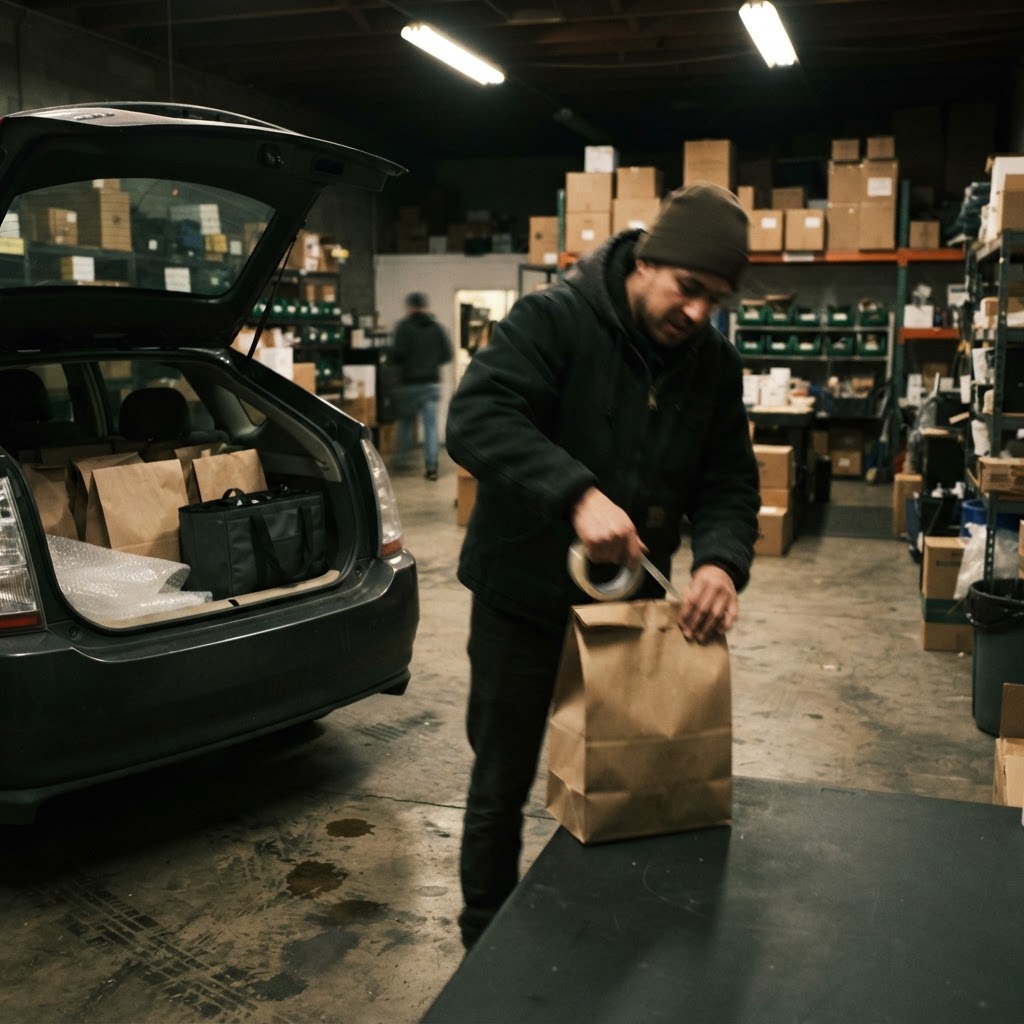
Fourth, write for the moment after the click. This is the part many SEO programs skip. The customer does not experience a keyword. They experience a route, a menu, a fee, a door, a handoff, and a product decision. Each one should feel like the next step in the same promise.

What to measure now
The useful metrics are closer to operations than most marketing dashboards suggest.
Measure the percentage of location pages with verified hours and current delivery information. Measure menu availability accuracy. Compare direction requests and menu views with completed orders by location. Watch cancellation reasons, failed delivery attempts, unavailable-product substitutions, and first-to-second-order behavior.
Those measures reveal where the public promise breaks. If one location gets strong discovery but weak completed orders, the answer may be a menu, service, payment, or staffing issue rather than a content issue. If delivery has high interest but poor repeat behavior, the customer may be learning that the convenience is not dependable enough to earn a second order.
A simple weekly review can catch more than another batch of blog posts. Look at the top local queries, the pages receiving attention, the operational exceptions, and the customer complaints that repeat. Then fix the point where the story and the experience diverge.
The brand that feels closest wins
Cannabis local search is often framed as a visibility problem. The harder truth is that visibility increases the number of chances a customer has to discover inconsistency.
The winning brand will not always be the one with the biggest audience or the most elaborate campaign. It will be the one that makes a nearby customer feel confident from the first result to the completed order. That requires marketing, operations, merchandising, and customer experience to tell the same story.
A customer may discover the store through search, validate it through the menu, trust it through the details, and return because the first order matched the promise. That is not a ranking trick. It is what a local brand looks like when its digital front door and physical business finally agree.