
The most important audience on the web may no longer be human. That sounds like a science-fiction setup, but new traffic data is making it a practical marketing problem. Automated traffic reached 57.5% of web activity in the latest figures reported by PPC Land, while ad platforms continue to present dashboards built around people, sessions, and intent.
That mismatch is about to get expensive.
The Audience Nobody Bought
Marketers have spent years treating traffic as a rough proxy for attention. A pageview suggested a person. A click suggested interest. A return visit suggested some kind of relationship. None of those assumptions were perfect, but they were useful enough to run a business around.
Agentic crawlers, scraping systems, security scanners, shopping bots, AI answer engines, and automated testing tools are changing the ratio. Some bots are malicious. Plenty are not. The commercial problem is that they all create activity that looks like a customer until somebody asks a harder question: did a person make a decision here?
That question rarely appears in the weekly performance report.

The result is a strange kind of inflation. Traffic grows, content gets scraped, pages receive more requests, and dashboards show movement. Yet the number of humans who can remember your brand five minutes later may be flat or falling.
This is the same measurement problem I wrote about in the collapse of agentic marketing measurement. Autonomous systems don't just create new activity. They make old definitions of activity unreliable.
Reach Is Losing Its Meaning
Reach used to be a media concept. It estimated how many people could have seen a message. Digital marketing turned it into a precise-looking number, then attached frequency, cost, and conversion models to it.
Now an impression can be requested, rendered, cached, summarized, tested, or reprocessed without a human ever seeing the creative. A bot can load the page that contains your ad. Another system can extract the text. A third can use that text to answer a shopper's question somewhere else. The original impression remains in the report, even though the commercial path is completely different from the one the report implies.
The problem isn't only fraud. It is misclassification.
A useful brand mention inside an AI answer may be valuable even if it produces no click. A thousand automated page loads may be worthless even if they create a healthy-looking engagement curve. The measurement system needs to distinguish those cases, but most teams are still rewarded for making the old chart go up.

That is why AI search is creating a measurement crisis rather than simply a new SEO channel. Search behavior is moving into systems that summarize, compare, and recommend without handing the user back to the publisher. At the same time, automated systems are generating more of the raw activity that marketers use to judge the health of the web.
The top-line numbers can look fine right up until revenue stops matching them.
The New Cost of Being Visible
There is a direct cost to machine-heavy visibility. Every automated request consumes infrastructure, bandwidth, support capacity, and sometimes paid API usage. A content business can pay to produce an article, pay to distribute it, pay to serve it, and then discover that much of the demand was generated by systems that never had a purchasing problem to solve.
There is also a strategic cost. Teams start optimizing for behaviors that machines perform well because those behaviors are easier to measure. They publish more pages. They chase more keywords. They split audiences into thinner segments. They celebrate incremental impressions while the brand becomes harder for actual people to recognize.
That is how a company ends up with a full content calendar and a weak memory structure in the market.
The most exposed organizations are the ones with three traits:
- They treat every visit as a potential customer until proven otherwise.
- They use platform-reported reach as the primary evidence of brand health.
- They have no clean way to separate human action from automated retrieval.
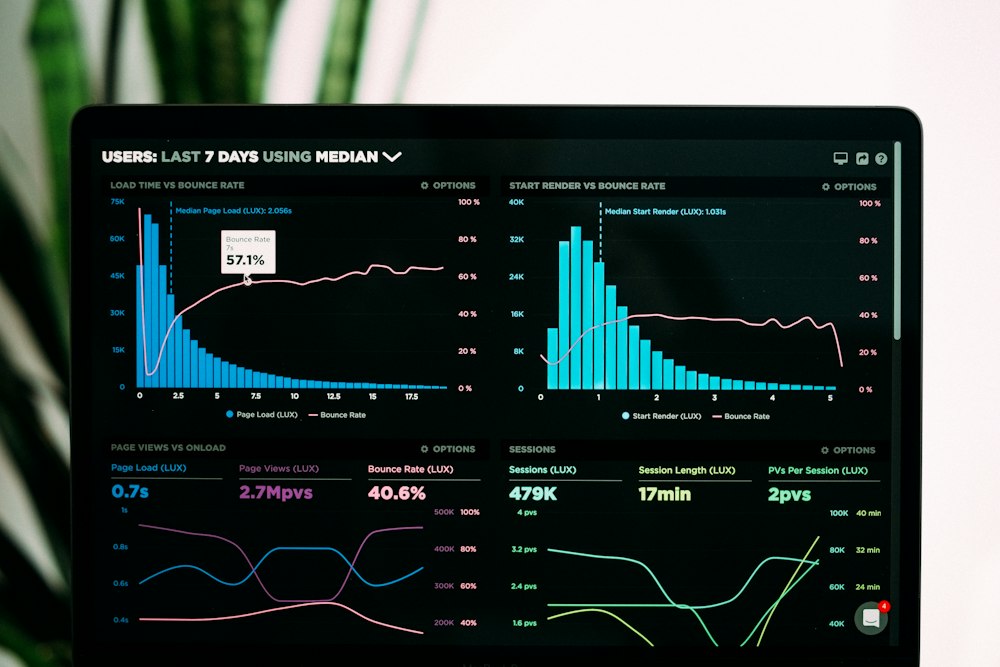
None of this means traffic is useless. It means traffic needs a confidence layer. A visit with a short human interaction, a known device pattern, a meaningful scroll, and a later branded search should not be treated the same as a burst of identical requests from a rotating infrastructure network.
The basic unit of reporting is changing from volume to verified behavior.
What Smart Teams Will Measure
The next generation of marketing reporting will look less impressive on purpose. It will remove activity that cannot be tied to a plausible human or commercial action, then add signals that are currently scattered across brand, search, product, and customer systems.
That means tracking a smaller set of questions:
- Did a person spend enough time with the message to form a memory?
- Did a real account, device, or customer journey move after exposure?
- Did the brand appear in a high-intent AI answer, comparison, or recommendation?
- Can the team explain the gap between reported attention and observed revenue?
These are less glamorous than a reach number. They are much closer to the truth.
Marketers should also ask platforms for machine traffic disclosure that is actually useful. A generic bot filter is not enough. Brands need to know what was excluded, what was counted, which automated agents were allowed through, and how those decisions affect billing and optimization.
The industry has tolerated vague traffic quality because the old system rewarded scale. That bargain breaks when machines become the majority of the audience.
People Are Still the Point
The irony is that automation is forcing marketers back toward fundamentals. If a brand cannot tell whether its audience is human, it has to become much clearer about the human response it wants to create.
That might be a remembered name, a direct search, a qualified conversation, a product trial, or a repeat purchase. The metric can vary. The standard cannot: the signal should connect to a person making a choice.
The web may become even more automated from here. That is not automatically bad. Bots can make information easier to find, products easier to compare, and services easier to use. But marketers cannot keep using a human-shaped scoreboard for a machine-shaped environment.
The next reporting revolution won't begin with a prettier dashboard. It will begin when someone asks which rows were created by a customer, and which ones were created by the internet talking to itself.