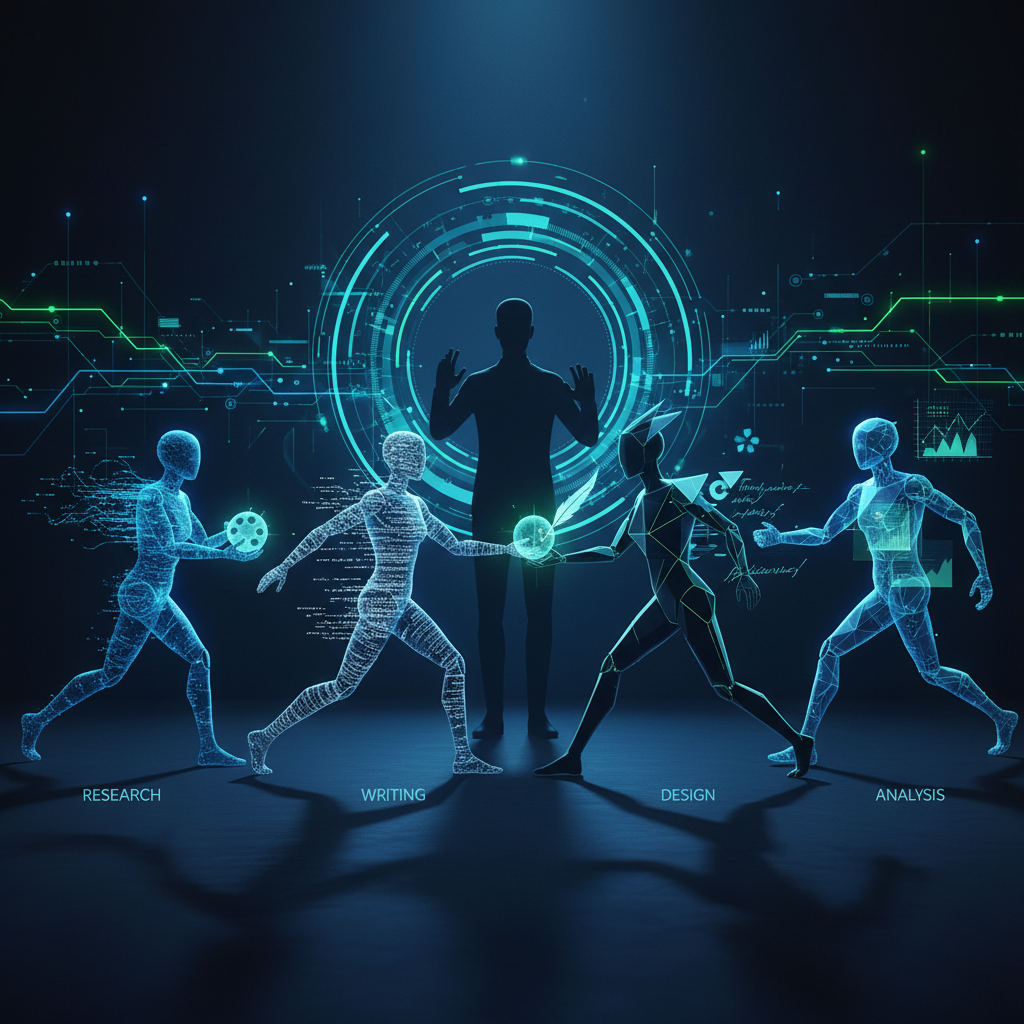
For decades, our relationship with software has been fundamentally deterministic. We operated under the tyranny of the "if-then" statement, a paradigm where machines could only execute rigid, predetermined paths.
Today, that architecture is collapsing. These new AI workflows possess an astonishing ability to navigate ambiguity, essentially thinking on their feet. And the economic implications of this shift are staggering. Recent data suggests that workers who master these probabilistic workflows are commanding a 56% wage premium.
We are witnessing the rise of the "Great Equalizer," a technological lever so powerful that it allows novices to leapfrog seasoned experts, flattening traditional hierarchies of competence overnight.
Key Stat
Wage premium for workers mastering AI-driven probabilistic workflows.