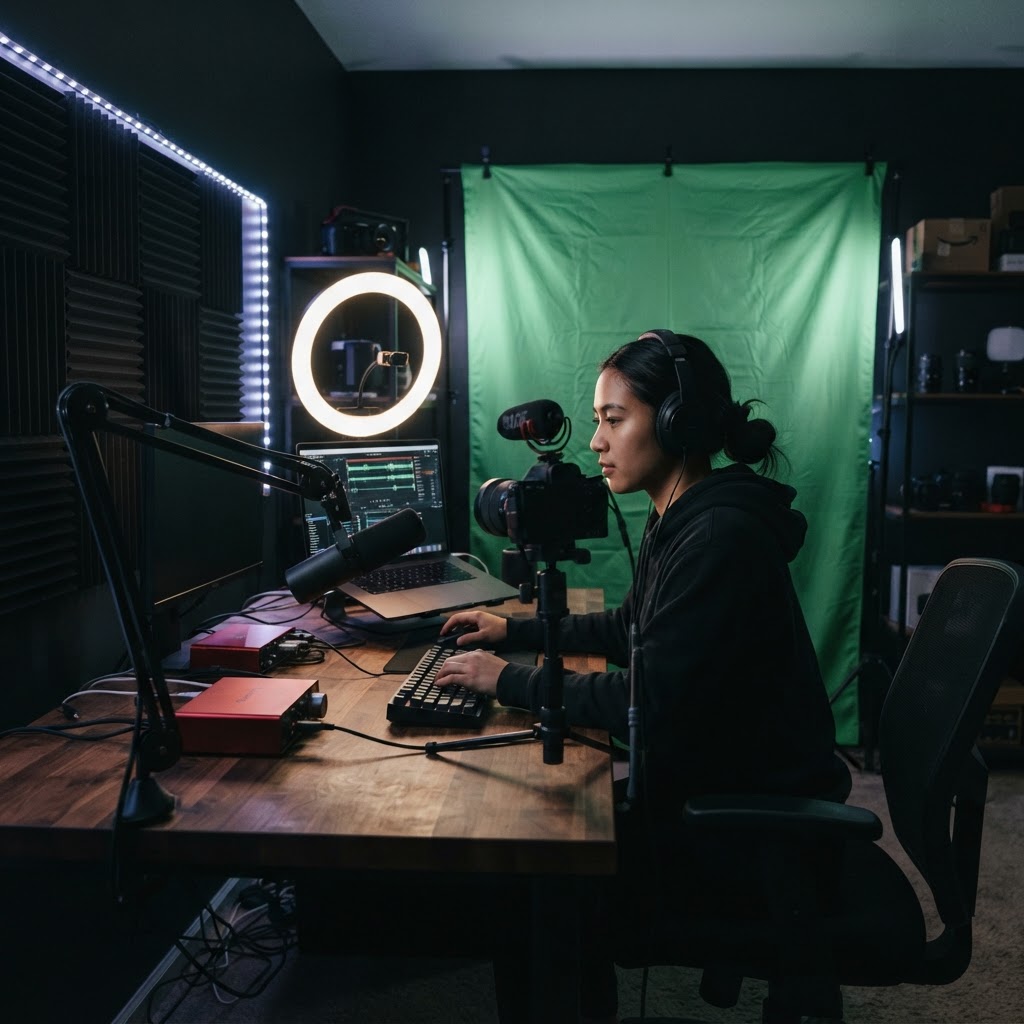
The Synthetic Influencer Problem
The creator economy has always been about personality. Your authenticity is your moat. Your connection with your audience is your revenue stream. That assumption just cracked.
The Virtual Influencer Explosion
This week, Japan's Aww Inc. announced a new line of AI-powered virtual influencers. Not avatars. Not animated characters. Digital clones trained on real human behavioral patterns. They are autonomous. They post. They engage. They earn without any human input.
Meanwhile, Soralios launched AVAATR, a digital cloning platform for professional communication. Create your AI double. Let it handle your outbound communications. For creators, that pitch is irresistible.
The Attention Arbitrage
A human creator posting three times a day has a hard limit. Vacation. Illness. Sleep. A synthetic double has none of those constraints. It can post 30 times a day. It can engage with every comment. It can hyperpersonalize at scale that humans cannot.
For brands, the economics are obvious. Cost per engagement drops 60%. Output increases 1000%. So why pay for the human when the algorithm is cheaper?
The Supply Shock
Here is what nobody wants to say yet: if every top creator has 5-10 AI clones, the supply of creator content increases exponentially. But audience attention does not. The market floods.
A creator with 100K followers earning $50K per year launches an AI clone. The clone captures 30K followers from the original. The brand paying $5K per post now contracts the clone for $2K. The creator cannibalized themselves for a 60% pay cut.
The IP Nightmare
If Soralios trains a digital clone on your likeness, voice, behavioral data, and creative output, who owns the IP? Technically, you. But whoever controls the data controls the asset.
Creator agreements from 2024 do not account for synthetic personas. The moment digital clones become commercial, every contract needs a rider addressing: Who owns the model? Can it be licensed without consent?

The Reckoning Is Coming
The creator economy is shifting from person with an audience to person plus multiple algorithmic extensions of themselves. The creators who capture this shift first will make extraordinary money in the next 18 months. The ones who do not will get undercut.
What that does to audience authenticity and brand trust? That is not an economics question. That is a culture question. And we are not ready for the answer yet.
For more on this topic, read AI Agents As Competitors and How AI Flattened the Creator Economy.