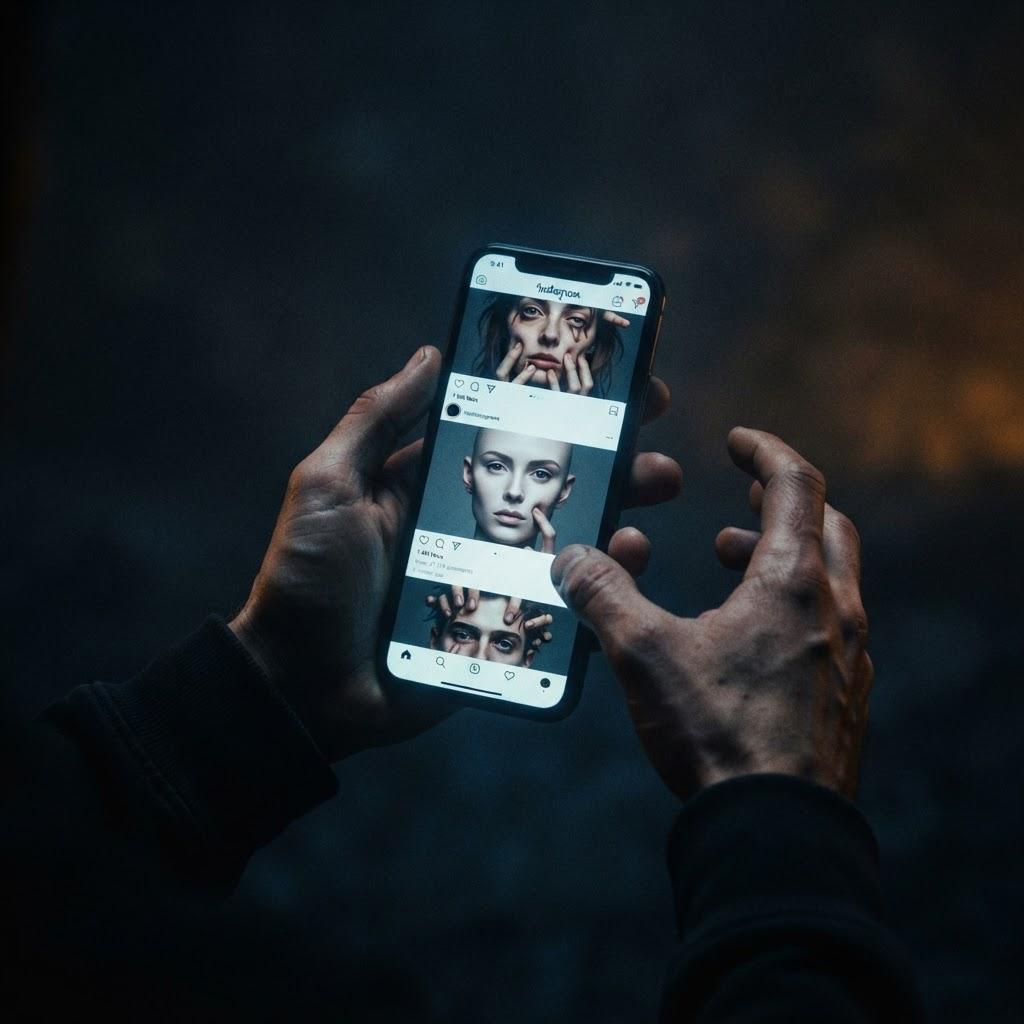
A Guardian investigation dropped two weeks ago and most marketing teams scrolled right past it. Brands are quietly deploying AI-generated influencers across Instagram, TikTok, and YouTube. Fake brides crying about photo apps they used at their wedding. Fake women wearing fashion brands at restaurants. Fake interior design clients who "could kiss the designer."
None of it is labeled. None of it discloses AI. And according to the creators making this content, that's by design. Brands are requiring NDAs specifically to hide the fact that their "user generated content" was generated by a prompt, not a person.
The strategy has a name among the people who execute it. Clarissa Mansbridge, who runs AI influencer studio Mia Metaverse, calls it "plausible deniability." Her estimate: 40 to 60 percent of content from major brands is now AI-generated. Most creators are under NDA. Consumers have no idea.
The Math Nobody's Doing
The economics are straightforward. A traditional photoshoot costs $20,000 to $70,000. A realistic AI-generated UGC video costs a few hundred dollars. The quality is good enough that 70 percent of people can't reliably distinguish real from AI-generated content, according to consumer group Which?.
But here's the number CMOs should memorize: only 7 percent of consumers say visible AI-generated marketing makes them trust a brand more. Thirty-one percent say it makes them trust the brand less. When I wrote about the AI marketing confidence gap last week, the data already pointed to a trust deficit between marketing teams and the customers they serve. This UGC play widens it.
So the math is clear. Short-term cost savings versus long-term trust destruction. The industry is betting hard on short-term.
The bet works like this: AI content is undetectable enough today that consumers won't know. The EU AI Act requiring AI labels won't apply until August 2026, and enforcement will be slow and inconsistent. The UK's ASA explicitly told the Guardian there is nothing in its rules prohibiting brands from posting AI-generated promotional content without disclosure. In the US, the FTC has issued guidance but no binding rules for AI-generated UGC.
The window is open. Brands are walking through it.
Plausible Deniability Is a Strategy Now
What's new here isn't that brands are using AI for content. It's the deliberate effort to hide it.
Mansbridge told the Guardian that brands approach her specifically because she can create "hyperrealistic, aspirational digital humans." The content is designed to look like ordinary UGC: a 20-year-old applying sunscreen by a pool in Bali, a couple trying a new restaurant, a woman unpacking a clothing order in her bedroom. Brands post it to their own channels as if real customers submitted it.
The NDAs are the tell. If using AI influencers was just an efficiency play, brands would be upfront about it. The fact that they're legally silencing the creators who make this content means they know consumers would react badly if they found out.
This is the same playbook that got influencer marketing into trouble five years ago. Back then it was undisclosed paid partnerships. Now it's undisclosed artificial people. The underlying principle is identical: deception about the nature of a commercial message.
The FTC's endorsement guidelines require material connections to be disclosed. An AI-generated persona that doesn't exist has no connection to disclose because there's no person. But a brand presenting an AI-generated character as a real customer is creating a deceptive impression about the source of the endorsement. The guidelines were written for humans, not prompts. The gap is getting exploited.
When Trust Doesn't Snap Back
Trust doesn't recover in a straight line. When consumers discover they've been systematically deceived by brands they followed, they don't go back. They tell their friends. They post screenshots. They build callout threads that outlast the marketing campaign by years.
And discovery is inevitable. Detection tools are getting better. C2PA content credentials are being pushed by Adobe, Microsoft, and Google. The EU AI Act forces labeling by August. At some point in the next 12 to 18 months, a major consumer brand will get publicly identified for running AI-generated UGC without disclosure. The coverage will retroactively flag hundreds of other campaigns.
When that happens, every brand that used AI UGC under NDA will have the same problem. There's no "we were transparent about it" defense because the entire strategy was built on not being transparent.

The irony is that AI-generated content doesn't have to be deceptive to be effective. Mansbridge herself made the point: "The authenticity of UGC was always about resonance, not who made it. If the content reflects a real consumer truth about the product, it connects." She's right. The problem isn't using AI. It's the deception.
Just as Google's AI Overviews liability shield crumbled under the weight of a single German court ruling, the AI UGC deception playbook is one investigative report away from collapsing. The difference is that Google didn't see it coming. Brands have time to act before the same thing happens to them.
What Survives This
There are exactly two paths forward and most brands haven't chosen either one yet.
The first is full transparency. Label AI-generated UGC clearly. Own it as an editorial choice. "We use AI to show our products in real-world scenarios because traditional photoshoots cost $50,000 and take six weeks. Here's what's real: the product. Here's what's AI: the model and the setting." This is the harder path today. It will be the only path by late 2027.
The second is not using AI UGC at all. There are brands where authenticity is the product. Outdoor gear companies where the photos need to have actually happened. Food brands where someone really needs to have cooked the meal. Luxury brands where the craftsmanship is the story. For these brands, AI UGC is self-sabotage. The cost savings will be erased by the brand damage.
The third path, which is what most brands are currently on, is "use AI UGC, don't disclose it, and hope nobody notices." This path has an expiration date. The EU AI Act. Detection tools. Journalists. Consumer backlash. One of these will hit before 2027 is over, and every brand on this path will be scrambling to explain why their "hyperrealistic digital humans" were presented as real customers.
The brands that handle this well will be the ones that made a decision before they were forced to. The brands that handle it badly will be the ones that thought "plausible deniability" was a durable strategy.