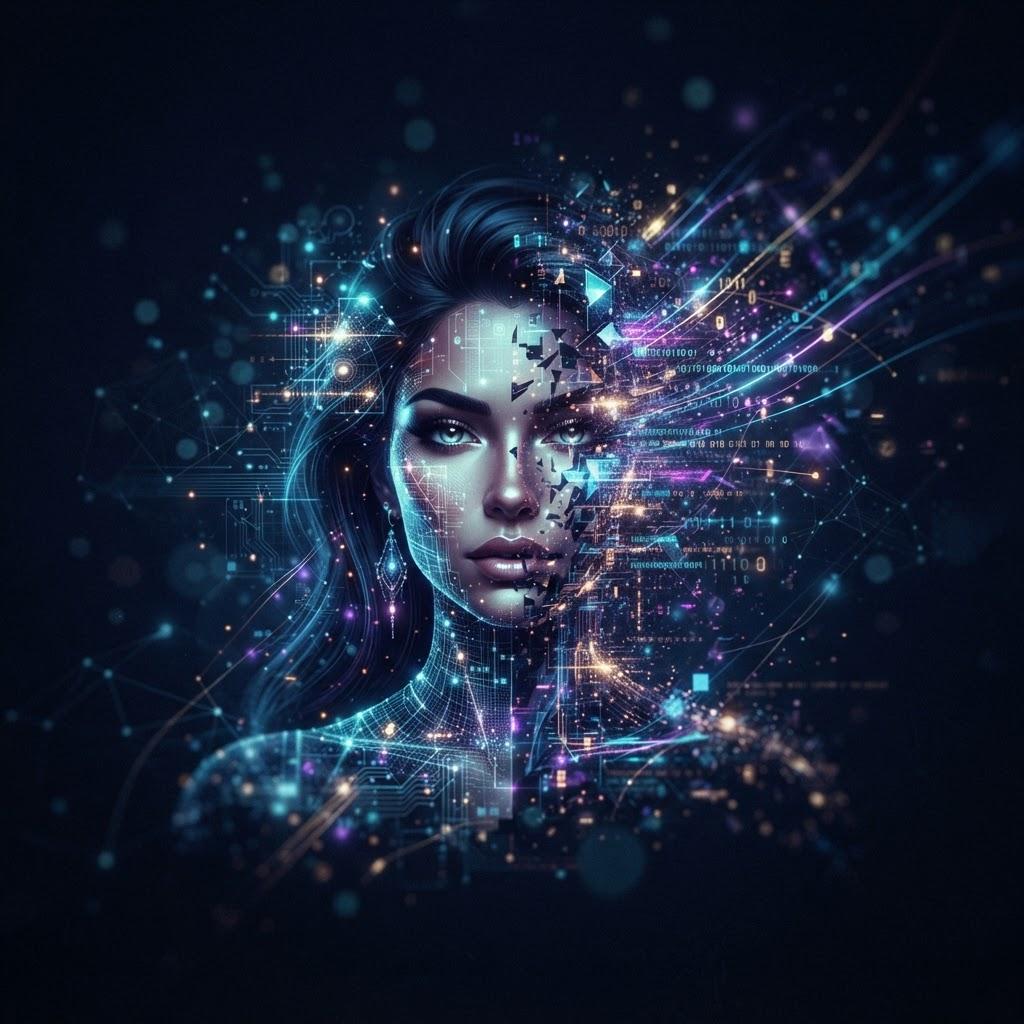
Your favorite Instagram influencer might not exist. And the brand paying them? They're counting on you not finding out.
A recent investigation found that major brands are quietly deploying AI-generated influencers on social media to promote products, with no disclosure that the people in the content aren't real. The kicker: there are currently no rules requiring them to tell you. The FTC doesn't mandate it. Instagram doesn't require it. The ASA (Advertising Standards Authority) explicitly said there's nothing in their rules that stops it.
This isn't a future problem. It's happening right now.
The Mechanics of Plausible Deniability
According to Clarissa Mansbridge, a creator who builds AI influencers for brands, roughly 40 to 60 percent of user-generated content (UGC) from major brands is now AI-generated. But here's the trick: the creators who make it are under NDA. They can't talk about it. She calls it "plausible deniability."
"Consumer trust is still being built," Mansbridge said. The brands know exactly what they're doing. They're spending money on hyperrealistic digital humans because the math works. A traditional photoshoot costs $20,000 to $70,000. An AI-generated influencer costs a fraction of that and never complains, never posts a controversial tweet, never has a bad day.

The whole point of UGC was supposed to be authenticity. Real people reviewing products. Real experiences. But that market collapsed because human influencers got expensive and difficult. Brands needed content that looked like real customer experiences but cost less and behaved better. AI solved that problem.
Except it didn't solve it. It just hid it.
Where the Regulatory Gaps Live
The EU is ahead here. Starting in August 2026, the Artificial Intelligence Act will require AI-generated or manipulated content like deepfakes to be clearly labeled. But that's the EU. In the US and UK, there's nothing. The Advertising Standards Authority admitted there's no rule against it. The FTC hasn't stepped in. Instagram allows it because the disclosure rules don't exist yet.
Consumer groups like Which? are calling for transparency. Their own research showed that 70 percent of people can't correctly identify fake videos when shown real and fabricated content side-by-side. People are getting fooled regularly. But the brands aren't breaking any rules.
That's the gap. Not a technical one. A regulatory one.
What Happens When Trust Gets Commodified
Here's what matters: brands are optimizing for appearance, not reality. If a video of a bride saying the Once app changed her wedding looks emotionally authentic and drives conversions, the brand wins. It doesn't matter if the bride is a digital ghost. The Only rule that applies is whether the ad is "misleading" and the ASA gets to decide that case by case.
Clarissa Mansbridge framed it this way: "The authenticity of UGC was always about resonance, not about who made it. If the content reflects a real consumer truth about the product, it connects."
That sounds reasonable until you realize what it actually means. A fake person can express a real consumer benefit. That's not authenticity. That's simulation.
Brands are funding a marketing system where the distinction between real and fake customer experience doesn't legally matter. They're building a world where AI creators have 40 to 60 percent of the UGC market and nobody's required to say so. And because they got creators to sign NDAs, nobody's talking about it.
The disclosure isn't coming from regulation yet. And by the time it does, the market will have already shifted.
The Honest Problem
We're not talking about a brand that accidentally used an AI image. We're talking about a deliberate system where companies hire teams to produce fake influencer content at scale, with explicit instructions not to disclose it.
The bigger issue: this is working. Consumers are connecting with the content. The posts are converting. The business model is sound. Until there's a regulatory mandate or a massive consumer backlash, there's no reason for brands to stop.
The EU forced their hand starting in August. But in markets without those rules, the math is simple. Authentic costs more. AI costs less. And right now, you can't tell the difference anyway.
So when you see a post from someone raving about a product, ask yourself: who am I actually hearing from? The answer might be that nobody's home.
Read about how AI is reshaping creator workflows and the economic pressures driving this shift.
More on creator consolidation and market concentration in the age of AI.