Lil Miquela has 2.7 million Instagram followers, collaborations with Prada and Calvin Klein, and roughly $10 million in reported 2023 earnings. She has never eaten a meal or existed outside of a render farm.
- ›The virtual influencer market is worth $8.3B and growing at 41% annually.
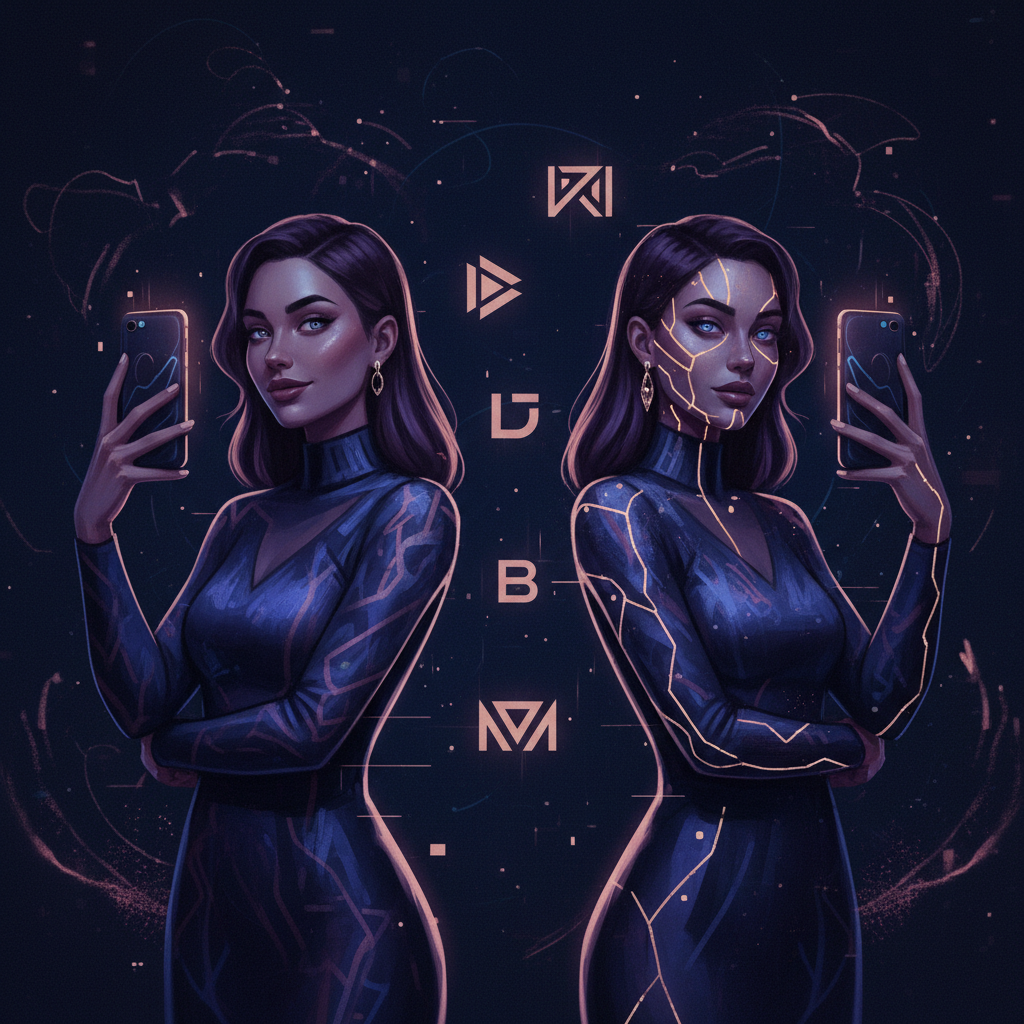
- ›AI influencers monetize through brand deals, IP licensing, subscriptions, and digital products.
- ›Brands love them for control: no scandal risk, no scheduling issues, no rate inflation.
- ›30% of influencer budgets are projected to go to AI personas by end of 2026.
The Numbers Are Not Hypothetical
The virtual influencer market hit $8.3 billion in 2025 and is projected to reach $154.6 billion by 2032 at a 41% annual growth rate. Brand spending on virtual influencers alone crossed $1.37 billion in 2026, about 4.2% of total influencer spend, and climbing fast.
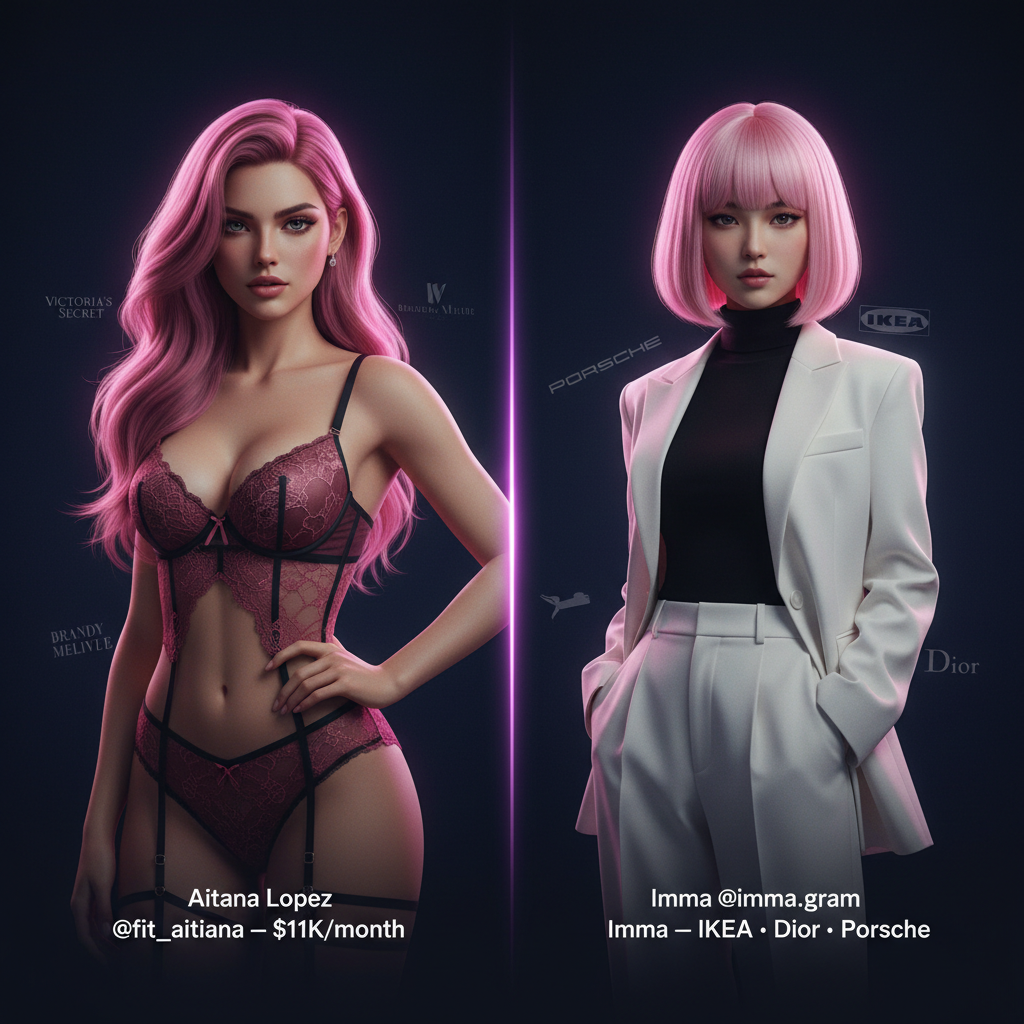
Aitana Lopez (left) and Imma (right) , two AI-generated personas earning real brand money
The agencies behind them treat them like talent with booking calendars. Because that is exactly what they are.
How They Actually Make Money

Why Brands Are Actually Paying
The honest reason is control. Human influencers are talented but unpredictable. They post things that contradict brand values. They age. Their audience shifts. Their rates inflate as they grow.
An AI influencer can be frozen at peak relevance forever. The content pipeline is unlimited. The same character can run three simultaneous campaigns in different markets without exclusivity conflicts. Ogilvy projected AI virtual influencers would account for 30% of influencer marketing budgets by 2026. We are inside that window.
The character consistency problem nobody mentions:
Audiences notice when the AI face shifts subtly between posts. Maintaining visual consistency across hundreds of generated images is the actual hard part of building an AI influencer. Not the idea. The execution.
Who Is Actually Building These
Two models. The agency model produced Aitana Lopez and Imma, full character investment, 12 to 18 months to profitable scale, large deals at the end. Real upfront cost.
The solo creator model uses Midjourney or Stable Diffusion with a consistent seed character, a posting schedule, and direct brand pitching once follower counts hit automated outreach thresholds. The barrier is a few hundred dollars a month in tooling and the discipline to run a content calendar for a fictional person.
The Transparency Problem Nobody Is Solving
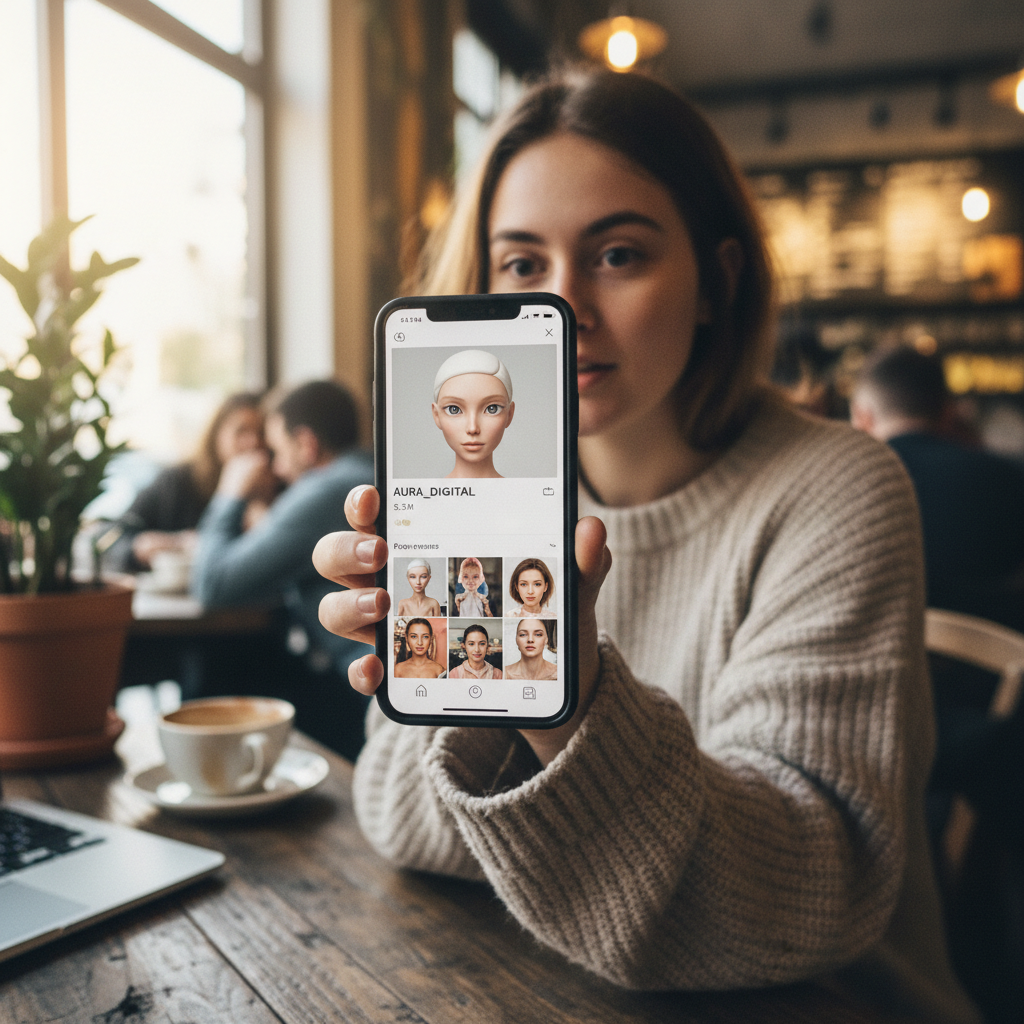
Most AI influencer accounts do not disclose that the person does not exist. The FTC rules that apply to human influencers are murky about AI-generated personas. Meanwhile, the platforms are moving on their own , each building different disclosure systems that look and work differently.
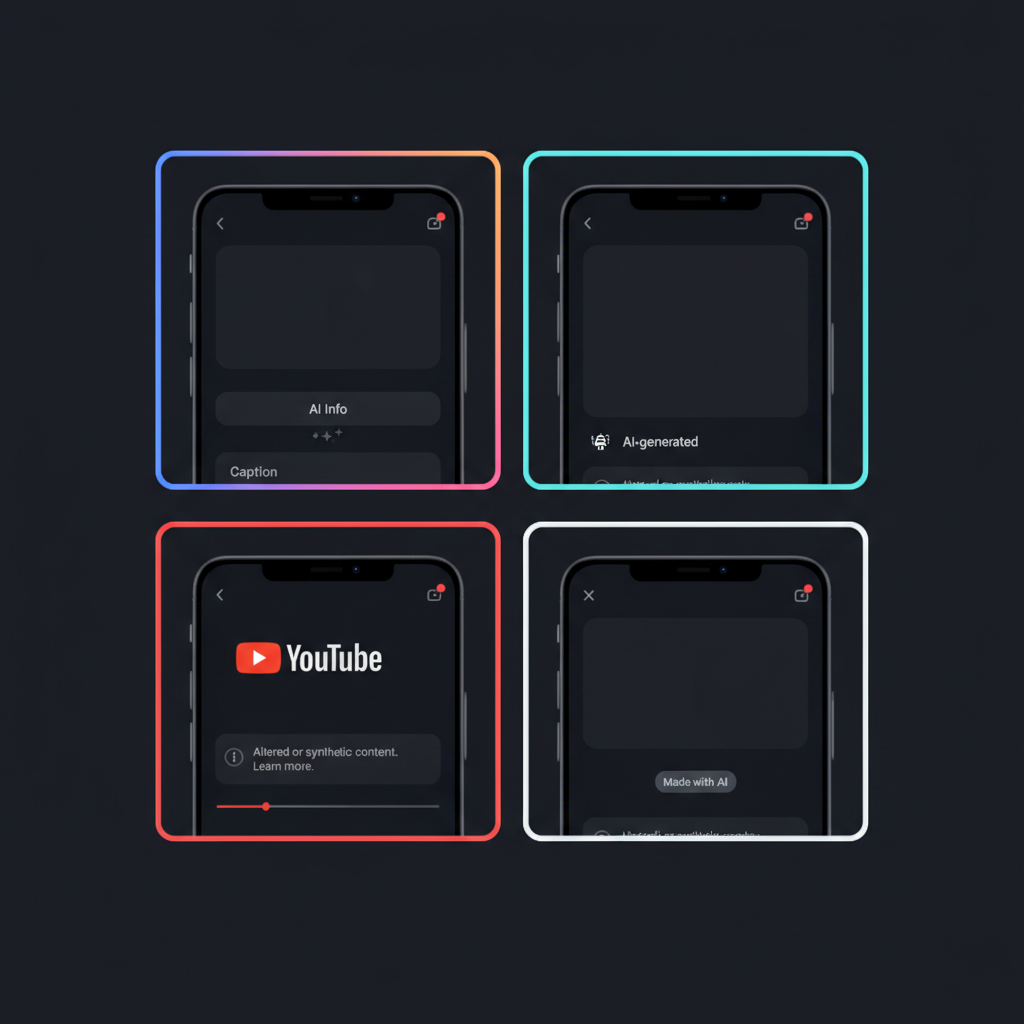
How AI content labels currently appear on Instagram, TikTok, YouTube, and X
None of these systems talk to each other. A campaign that discloses on TikTok is still undisclosed on Instagram unless filed separately. Brands building AI influencer campaigns without cross-platform disclosure frameworks built in are writing liability into their contracts. Build the practices from day one.
Bottom Line
AI influencers are a structural shift in how attention gets monetized, not a gimmick. The economics are compelling for brands with strong visual identity needs and risk-sensitive marketing teams.
The window for building a character from scratch is still open. The early adopters from 2022 and 2023 are now sitting on valuable IP. Characters built today face a more crowded feed. The money is real. So is the work required to capture it.