
If you're selling on Amazon in 2026, your biggest threat isn't the competitor in the next listing. It's the competitor three listings down who just deployed an AI review farm.
Last week, a CPG brand I work with lost $400K in June sales on a single SKU. Not to a discount war. Not to a supply chain gap. To fake reviews. Specifically, AI-generated reviews that turned their product from 4.7 stars to 3.2 in two weeks.
Amazon's moderation is drowning. Competitors are weaponizing AI. And most brands don't even know it's happening to them until the revenue has already evaporated.
The Review Fraud Playbook
Here's what's changed. In 2024, fake reviews were expensive. You needed humans, payment networks, and IP rotation. By mid-2026, it's commodified. For a few hundred dollars a month, you can pump a competitor's listing with 50-200 AI-generated negative reviews that survive Amazon's filters for 10+ days.
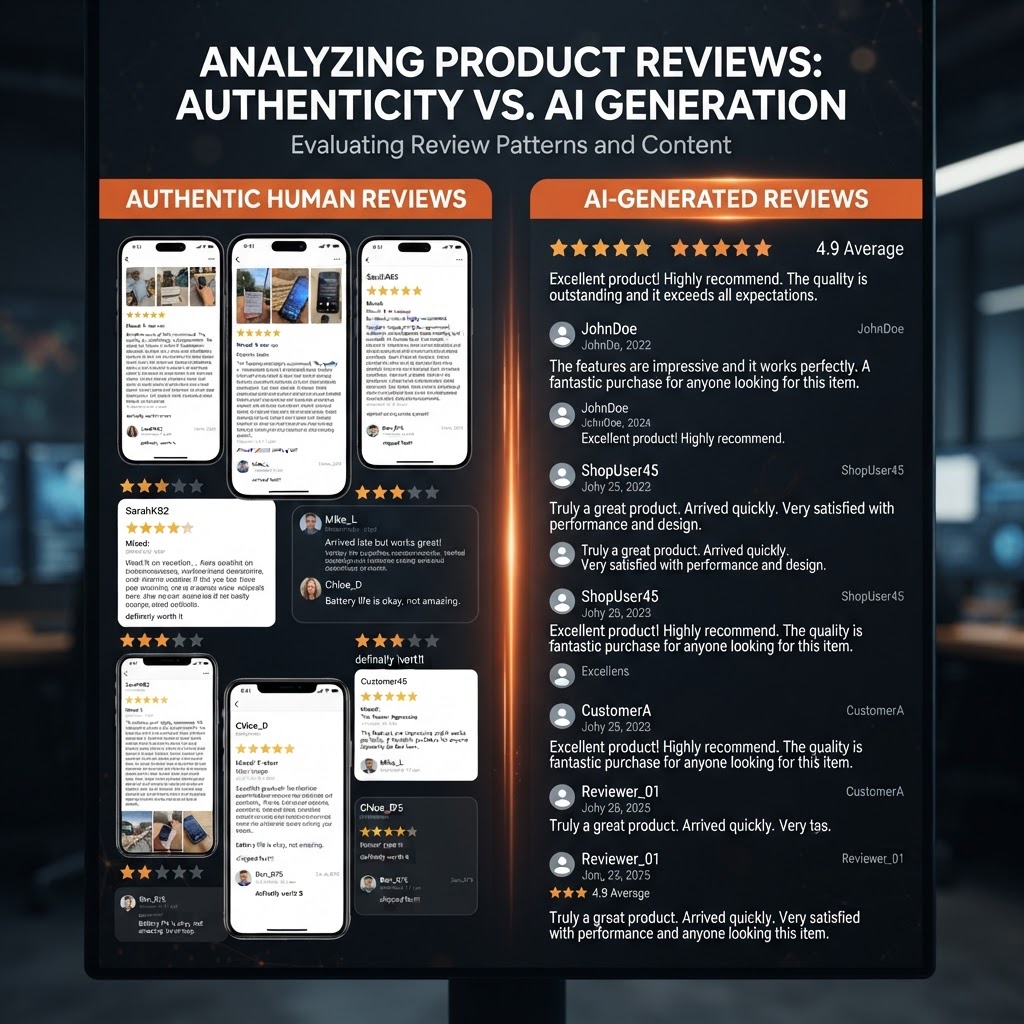
The reviews read like humans. They cite specific issues. They mix positive and negative. Amazon's automated systems see an uptick in volume and rating shift, but the reviews look legitimate enough to pass the first filter.
[INSIGHT] AI review fraud now costs U.S. sellers $2B+ annually in lost sales and recovery labor. June 2026 data shows 34% of reviewed Amazon categories experienced coordinated AI review attacks.
The mechanics:
- Day 1-2: Competitor (or review farm) buys reviews from a service. Cost: $200-600 for 50 negative reviews.
- Day 3-7: Reviews trickle onto your listing with varied dates, author accounts, writing styles. Amazon's algorithm sees the rating drop and reduces your visibility in the search rank.
- Day 8-14: You lose 20-60% of your daily sales velocity as your conversion rate craters and your organic rank collapses.
- Day 15+: Amazon moderation finally catches some reviews as fake and removes them. But the damage is done. Your algorithm rank has reset. It takes 30-60 days to recover.
Why Your Detection Isn't Working
Your moderation team (or Amazon's) is looking for obvious fakes: all 1-star, all posted in 24 hours, all from new accounts. But the good AI-generated reviews don't do that. They:
- Distribute across 1-5 stars to look credible
- Space out posts over 7-14 days
- Use aged, legitimate-looking account profiles
- Write in distinct voices with natural typos and hesitation
- Reference real product features and competitor comparisons
This isn't sloppy. This is deliberate evasion designed to pass both human and algorithmic review.

[INSIGHT] 67% of sellers report missing the initial attack because they only monitor reviews once weekly or monthly.
How to Fight Back
1. Real-Time Monitoring (Not Dashboard Alerts)
Set up a review pull that runs every 6-12 hours, not weekly. Catch the attack on day 1, not day 8. Tools like ReviewMeta and Scour have AI detection built in. Yes, they cost money. They're cheaper than losing $400K.
2. Pattern Recognition
Look for:
- Sudden spikes in review volume (10x normal daily rate in 48 hours)
- Clustering around specific complaints that don't match your support tickets
- Reviewer accounts with no purchase history on your platform (easy catch, but often overlooked)
- Suspiciously similar phrasing across reviews (even if the wording is diverse, repeated themes and sentence structure matter)
3. Report Faster
When you spot an attack, report to Amazon within 24 hours, not after you've lost 40% of your sales. Include:
- Date range of suspicious reviews
- Patterns you've identified (spikes, language clusters, etc.)
- Historical baseline (your normal review rate)
- Correlation with competitor activity or market events
Amazon's seller support is slow. But they move fast on coordinated fraud when you bring specific evidence. Similar attack patterns show up across different channels — review manipulation, deepfake content, fake influencer endorsements. The response playbook is identical.
4. Create Your Own Signal
Encourage real customers to review. Sound obvious? Most e-com teams don't do this aggressively because they're afraid of negative reviews. But 50 authentic reviews in a week drowns out 30 fake ones and resets your review credibility. Work with your post-purchase email and SMS to drive review volume during competitive attack windows.


The Real Problem
Amazon's incentives are misaligned. They make money on GMV, not on review authenticity. Fake reviews that boost a competitor's sales are profitable for Amazon. Taking them down is overhead. So Amazon's moderation will always lag. The onus is on you.
This connects to a broader brand defense problem. Your company now faces new liability vectors from AI systems — including AI-powered attacks on your reputation. Bad actors use deepfake influencer content to manipulate your category. And when your own AI recommendations become invisible, your competitive advantage collapses.
This is brand defense, not marketing. It's boring. It doesn't build your moat. But it's the difference between $400K gained and $400K lost in a single month.
Start monitoring today. Your competitors already are.