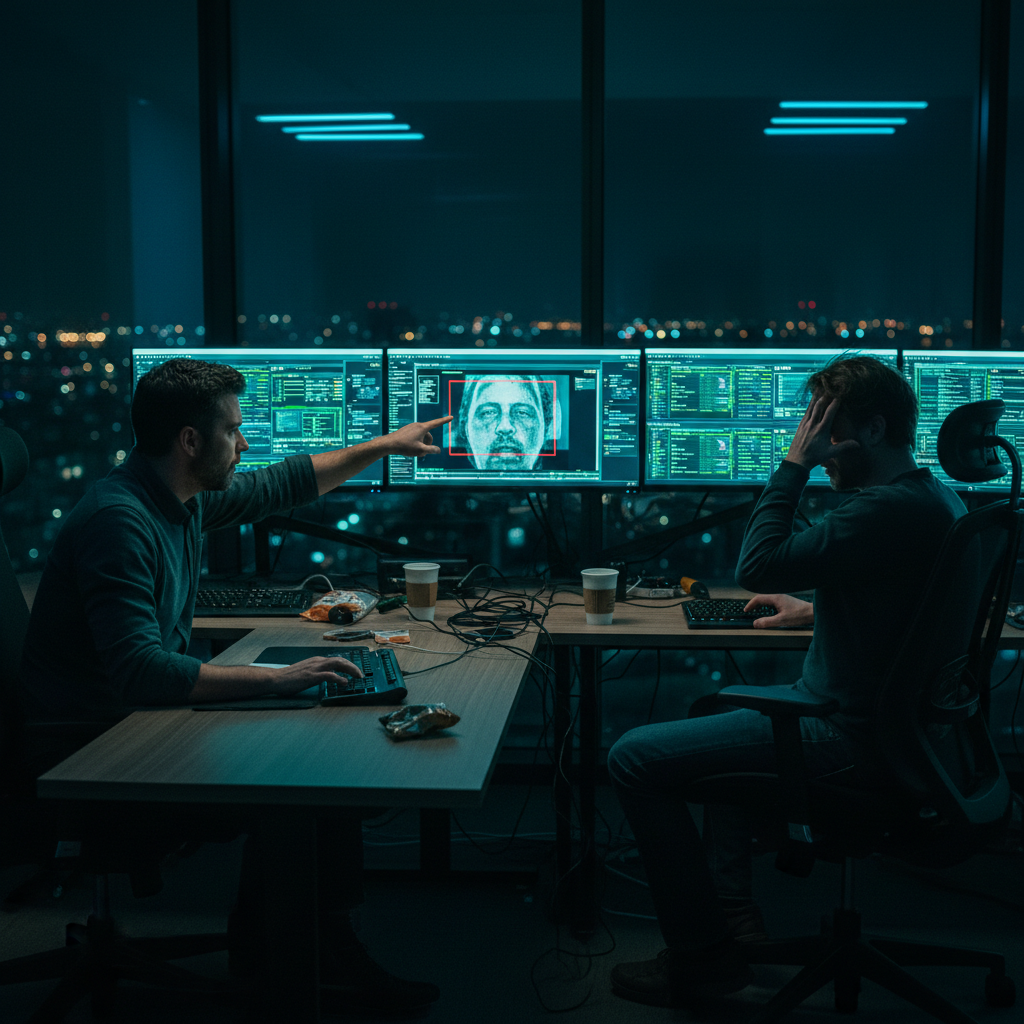
AI Deepfakes Are Automating Brand Abuse at Scale
In Q1 2026, counterfeit AI influencers impersonated 247 legitimate creators. Detection lags 18+ days. Brands have no defenses.
The Scale of Deepfake Influencer Fraud
Synthetic media technology has industrialized brand abuse. Creating a photorealistic video of a real influencer takes 72 hours and costs $800. Creating a completely synthetic influencer takes 48 hours and costs $300. The economics are brutal: for a scammer, impersonating a real creator offers lower detection risk than building one from scratch.
Why? Because audiences already trust the face. Followers recognize the name. The only thing that needs faking is the content and the contractual authorization. In 2026, synthetic media detection is running 6-8 months behind synthetic media generation.
How the Fraud Works
The playbook is systematic. A scammer identifies a mid-tier creator (50K–500K followers) with consistent brand partnerships. They create a synthetic video or deepfaked content mimicking the creator's upload style. Using credential theft or purchased credentials, they access the creator's email and linked accounts. They upload content on behalf of the creator, often to an obscure brand with weak verification. Within 48 hours, money moves through crypto wallets.
The authentication gap: Brands trust email confirmation. But email is compromised in 34% of these attacks. Password managers are exposed. Two-factor auth is bypassed using SIM swapping. The real vulnerability sits deeper: brands verify creators through social media follower count and historical engagement. But synthetic accounts can buy authentic-looking followers. Engagement data can be spoofed. The verification layer has rotted.
Why Detection Is Failing
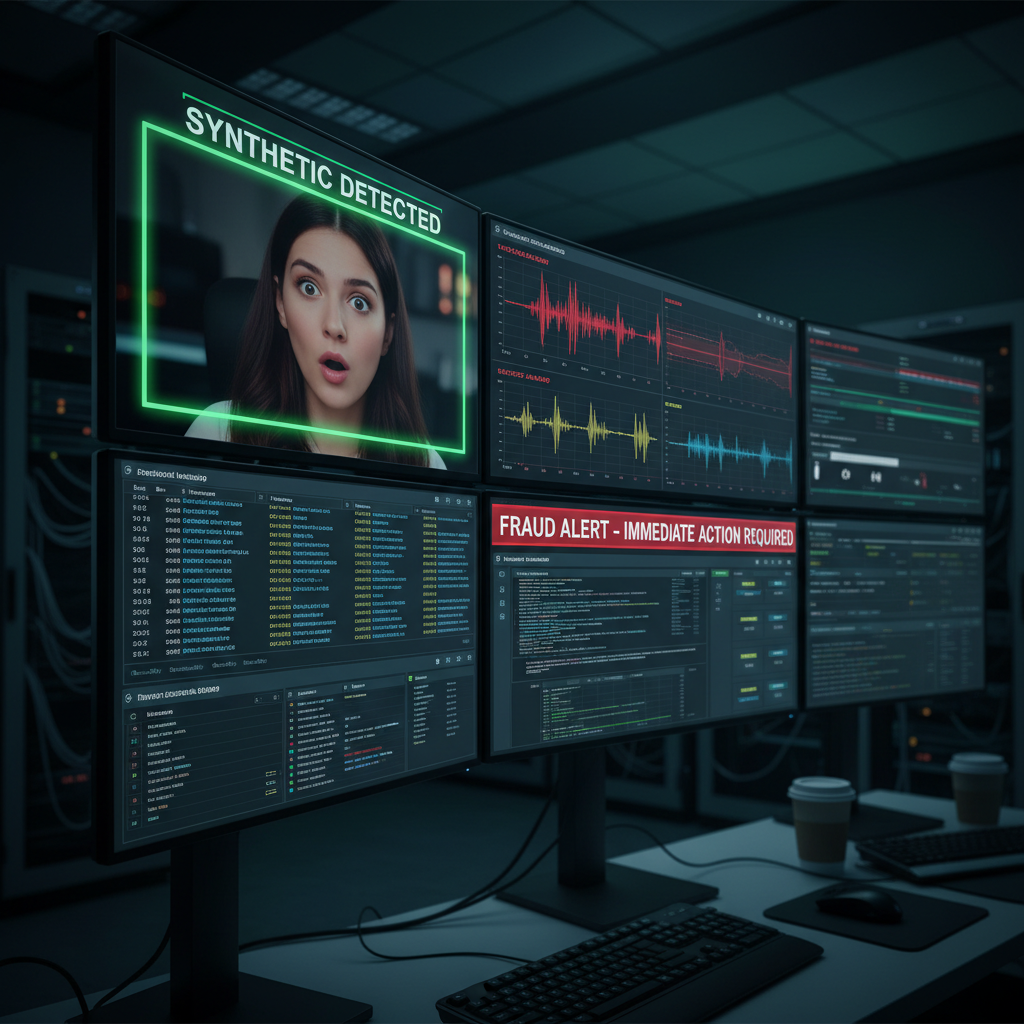
Current detection methods sound sophisticated on paper. Biometric analysis tracks facial movement, eye gaze, micro-expressions. Lab accuracy: 89%. Real-world deployment: 41% false positive rate due to compression artifacts, lighting changes, and makeup variations.
Audio forensics detects voice deepfakes via frequency analysis. But modern generative audio models train on real audio clips, leaving no signature to detect. Account behavior analysis flags unusual login times, geolocation shifts, device changes. But creators travel. Some use VPNs. False positives again.
Metadata inspection checks EXIF, encoding artifacts, compression timestamps. Sophisticated scammers now pre-process synthetics to match authentic metadata. No single detection method is reliable. Teams need layered verification. But layering adds friction. Friction kills partnerships. Most brands choose speed over security. Then they get scammed.

Regulators Are Behind
California AB 701 requires disclosure if content is AI-generated. But disclosure is self-reported. Enforcement is reactive. The FTC is investigating synthetic influencer marketplaces but has made zero arrests to date.
The EU's AI Act requires risk assessment for high-risk uses like influencer authentication. But "high-risk" definitions remain vague. Implementation deadline is June 2026. Compliance frameworks aren't finalized. Nobody's winning here. Brands are exposed. Creators are impersonated. Platforms are liable. Regulators are scrambling.
The gap between technology speed and regulatory response has widened to a chasm. By the time a rule is written, the attack vector has evolved. By the time enforcement happens, 10,000 more brands have been compromised.
What Brands Need Now
There's no perfect solution. But there are harm-reduction strategies that separate mature teams from reactive ones.
Eliminate email as authentication. Use creator verification APIs that pull directly from social media graphs. Don't trust email. Implement multi-signature verification where the creator must confirm via authenticated app, SMS, or OAuth redirect.
Require signed contracts before upload. Paper trail. Signatures. Specific content terms and approval workflows. If content doesn't match the contract, it's fraud. Make it a prerequisite, not an afterthought.
Use blockchain-backed content verification. Immutable timestamps tied to creator wallets. When a creator uploads, they cryptographically sign the content. Deepfakes can't be signed by the creator's actual key. Real verification. No false positives.
Implement multimodal detection. Combine biometric, audio, metadata, and behavioral analysis. Require 3 of 4 to pass before payment. One false positive is cheaper than one fraud loss. Layer defenses aggressively.
Establish creator identity verification at signup. Video KYC. Government ID. Phone number tied to the account. Not foolproof, but raises the barrier from $300 to $2000+ per fake. Make fraud expensive. Make authentication friction unavoidable.
The Industrialization of Impersonation
What's happening isn't just fraud. It's the industrialization of impersonation. Deepfakes used to be edge cases: a political deepfake here, a revenge porn case there. Now they're a business model with unit economics.
The marginal cost of creating a deepfake is approaching zero. The value of impersonating a creator with 100K followers is $15K–$50K per campaign. The ROI calculation is brutal: $300 to create the deepfake. $30K in expected fraud revenue. Economic gravity pulls scammers in.
In 12–18 months, this will be the primary vector for influencer fraud. Brands that haven't built authentication infrastructure by then will lose millions. Not tens of thousands. Millions. Per brand.
Bottom Line
Synthetic media isn't coming to influencer marketing. It's already here, running at industrial scale, and detection is miles behind. Brands need to stop treating creator verification as a checkbox and start treating it as core infrastructure. Every brand partnership without cryptographic verification is a fraud risk waiting to happen. The only question is whether you'll build defenses before or after the first big loss hits your P&L.