AI Agents Control Your Shopping Now
By the end of 2026, most online purchases will be made by AI agents without human input. This is not a future prediction. It is already happening. Here is why your entire marketing strategy needs to change.
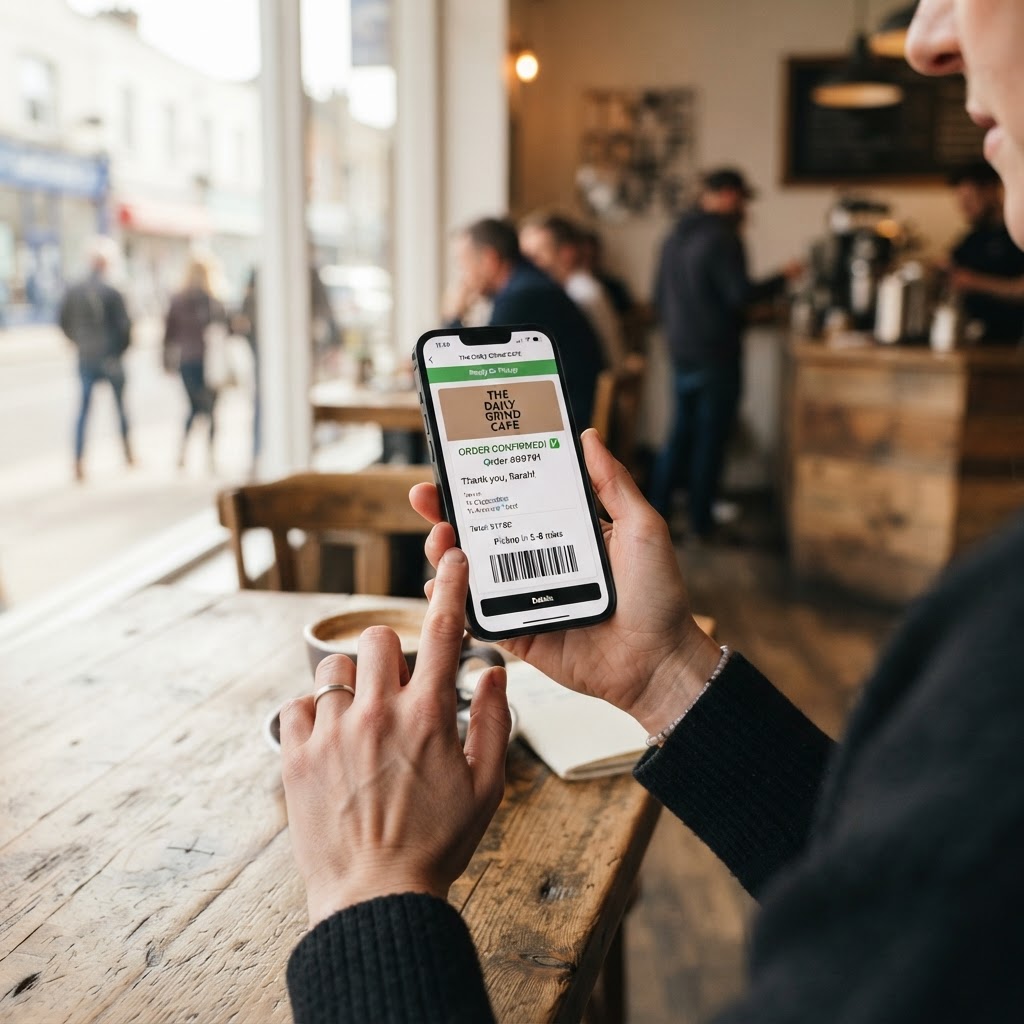
When Machines Shop for You
When you scroll through an e-commerce site, you make intentional decisions. You search, click, read reviews, compare prices, add to cart, checkout. Every action is something you are aware of. That era is ending.
By the end of 2026, the majority of online purchases will be made by AI agents acting on your behalf, without your real-time input. This is not a bot that recommends products. This is an agent that buys them. Gartner projects that by 2026, more than 20% of enterprises will deploy autonomous AI agents. In commerce, that number climbs to 40%.
What Changed
The turning point was three capabilities finally converging: Large language models that understand natural language intent reliably, persistent multi-step task execution, and real-time access to pricing, inventory, and fulfillment data. Separately, these were interesting. Together, they created something new.
An AI agent can now be told, "I need running shoes under $150 good for marathons, in my size, delivered by Tuesday." The agent executes that purchase across multiple retailers without human intervention. This is not hypothetical. Anthropic, OpenAI, and Google deployed versions of this functionality in the past 90 days. Microsoft's latest enterprise framework explicitly supports multi-store shopping agents. AWS's retail AI suite includes autonomous purchasing workflows.
On-platform agent-initiated purchases now account for 3 to 7% of volume at companies deploying this tech. In B2B procurement, the number is higher. By Q4 2026, analysts expect this to hit 15 to 25% of total e-commerce volume. That is not adoption. That is replacement.
Why This Breaks Traditional Marketing
For decades, marketing has been built around converting human attention into human action. You create an ad, it catches someone's eye, they click, they land on your site, you persuade them to buy. The entire funnel is designed to influence a human decision-maker.
Agents do not make emotional decisions. They do not respond to lifestyle marketing, social proof, or influencer endorsements. They evaluate functional requirements, compare options against your criteria, and execute the most efficient path to purchase. An agent does not care about your brand story. It cares about whether your product meets the stated requirements and whether the price is competitive.

What Collapses Immediately
- ·Lifestyle advertising: Worthless. Agents do not respond to emotional storytelling.
- ·Luxury brand positioning: Loses leverage. Price and specs dominate.
- ·Aspirational marketing: Now competing on a level playing field with commodity pricing.
What Replaces It
- Accurate, indexable product data: Specifications, dimensions, materials must be complete and accessible via API.
- Real-time competitive pricing: Inconsistent pricing across channels is immediately detected and rejected.
- Fulfillment reliability: One late shipment, and the agent marks you as a poor choice for future purchases.
- API accessibility: Can procurement services integrate directly with your inventory and fulfillment system.
The Distribution Shift
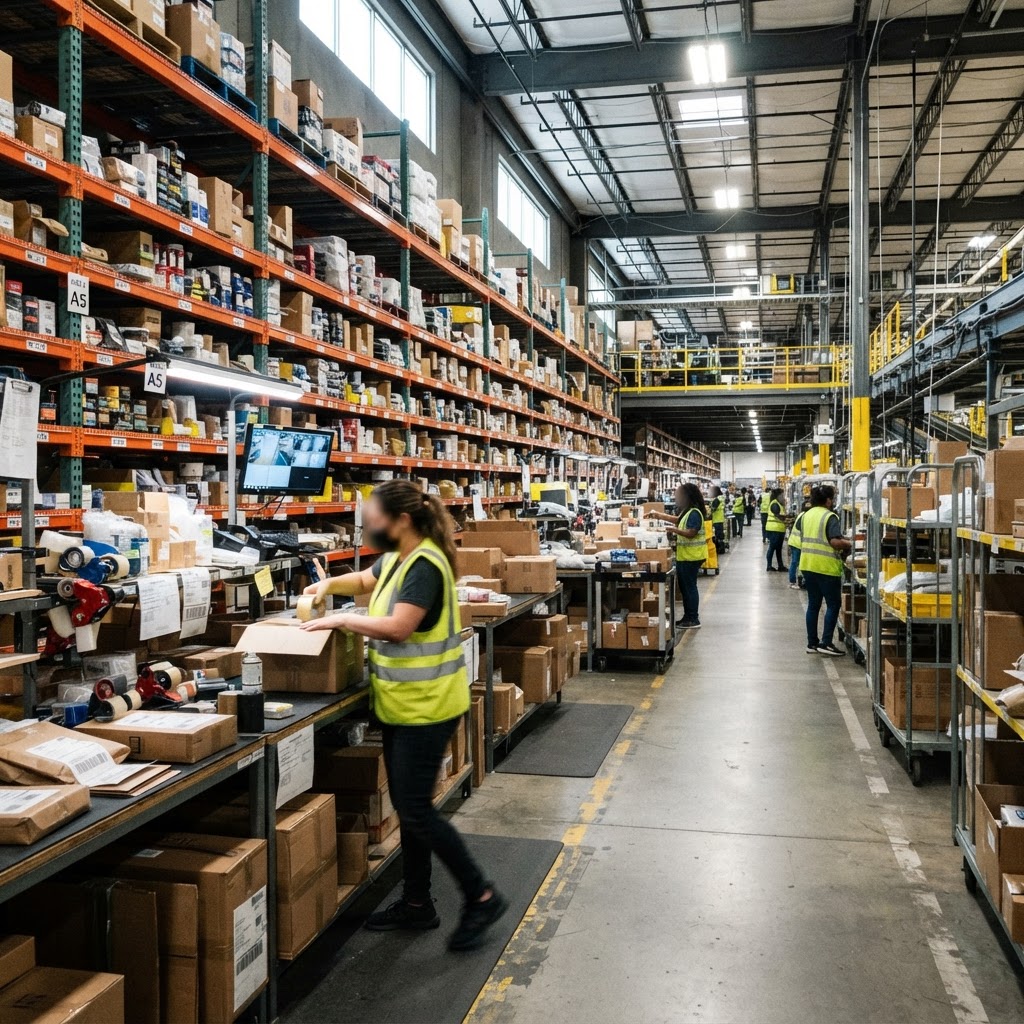
Currently, Amazon, Shopify, Walmart, and a handful of platforms control the customer journey. You fight for visibility, pay advertising fees, and hope for placement.
Agents flip this. An agent connected to a procurement service does not browse Shopify or Instagram. It queries APIs, compares structured data across vendors, and chooses based on pre-defined logic. Your storefront becomes irrelevant. Your social presence becomes invisible. Your email marketing becomes noise.
Instead, you need to be indexed by the agent's data sources. That means being listed on price comparison APIs, integrated with major agent platforms, maintaining accurate real-time product catalogs, offering machine-readable policies, and being accessible via direct API integration, not just web scraping.
The Privacy Paradox
Agents require transparency that humans do not. A human might buy from an opaque marketplace and trust the seller. An agent cannot. It needs to know who the seller is, what their return rate is, whether they are legitimate, what their regulatory status is. For high-ticket purchases, this is fine. For consumer goods, this could actually consolidate power around the largest players with verified seller networks.
At the same time, agents can represent a consumer's interest in ways humans cannot. An agent can check 50 retailers in seconds, catch price discrimination, enforce your budget constraints, and refuse to be manipulated by marketing tactics. The tension is unresolved. Agents could democratize commerce or become another concentration mechanism for platforms that own the most data.
What To Do Right Now
1. Audit Your Product Data
Is it complete? Consistent across platforms? Machine-readable? If not, agents skip you.
2. Make Your API Accessible
Can a buying service integrate directly with your inventory, pricing, and fulfillment system?
3. Price Competitively but Sustainably
Agents find prices instantly and do not forgive inconsistency across channels.
4. Invest in Fulfillment Reliability
One late or incorrect shipment, and the agent will not book with you again. Reliability becomes a competitive asset.
5. Stop Relying on Brand Halo Effects
Your product specs, your price, and your reliability are now your entire pitch to an agent.
Bottom Line
The brands that thrive in an agent-driven commerce world are the ones that compete on fundamentals. The brands that decline are the ones that have been winning on marketing and hype. The silent shopping revolution is not coming. It is here. The ones that prepared are already winning. Everyone else is about to find out they were playing the wrong game.