AI Agents Are Collapsing Travel Economics
The travel industry was built on scarcity of search. Agentic AI made search infinite. Now margins are collapsing in real-time.
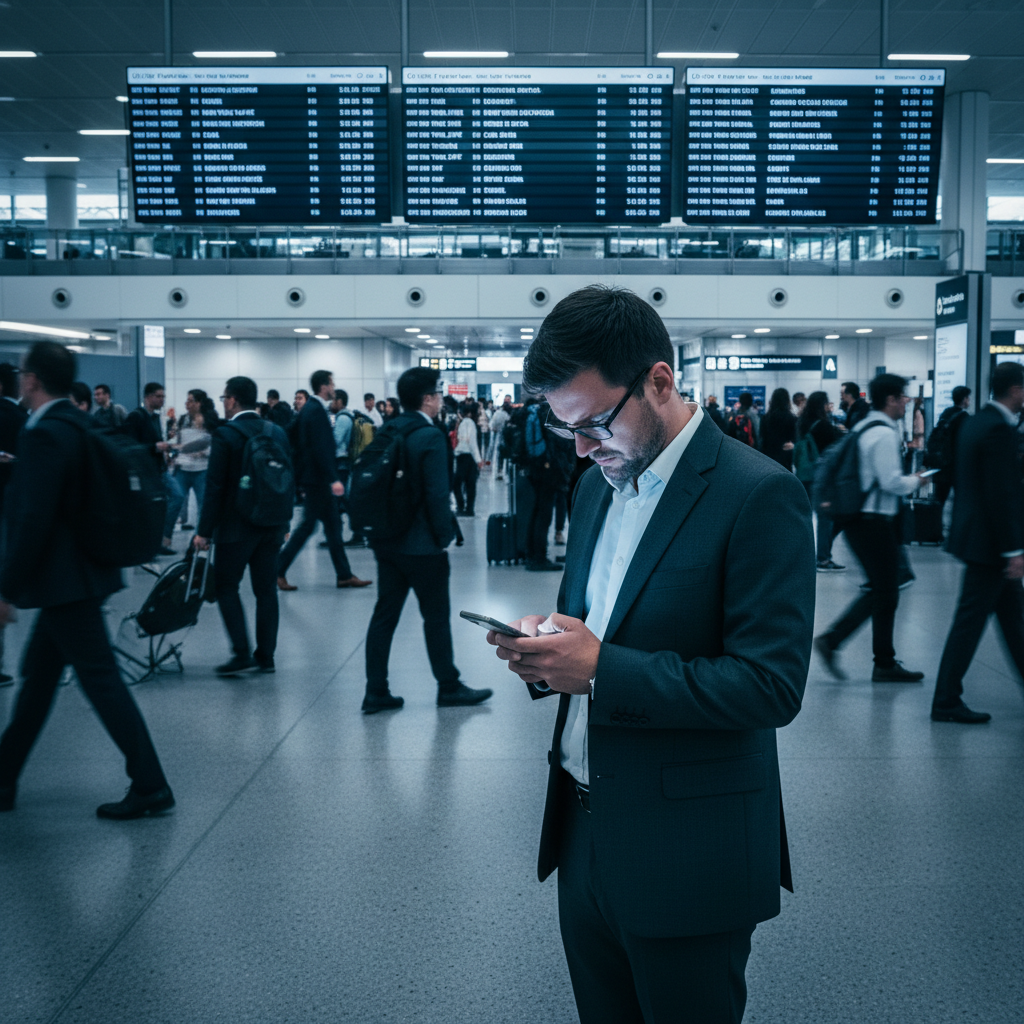
For 25 years, the travel industry made money on a single economic truth: humans can only compare so many options before they buy. You search a few airlines, a few hotels, pick something acceptable, and move on. That finite search cycle was profitable.
Agentic AI broke that assumption. Now, an AI agent can search every airline, every hotel, every price point, every combination across every platform simultaneously. Instantly. At zero cost.
Infinite search. Perfect information. Zero margin.
The Margin Math That Used to Work
A human booking a flight in 2024 checks 3-5 airlines, compares 1-2 dates, accepts the first acceptable option, and moves on. Total search depth: 10-20 permutations. Total time: under an hour.
This effort constraint let airlines optimize pricing with precision. They could price discriminate ruthlessly: higher prices for last-minute bookings, premium pricing for peak windows, inflated ancillary fees for baggage and seat selection.
The margin stack per booking:
- •Base seat price: $300
- •Ancillary revenue (baggage, seat selection): +$50-100
- •Dynamic pricing uplift: +15-30%
- •Network effects and partnerships: +10%
Total: 25-40% margin per booking. Consistent. Predictable. Sustainable.
What Agentic AI Changed
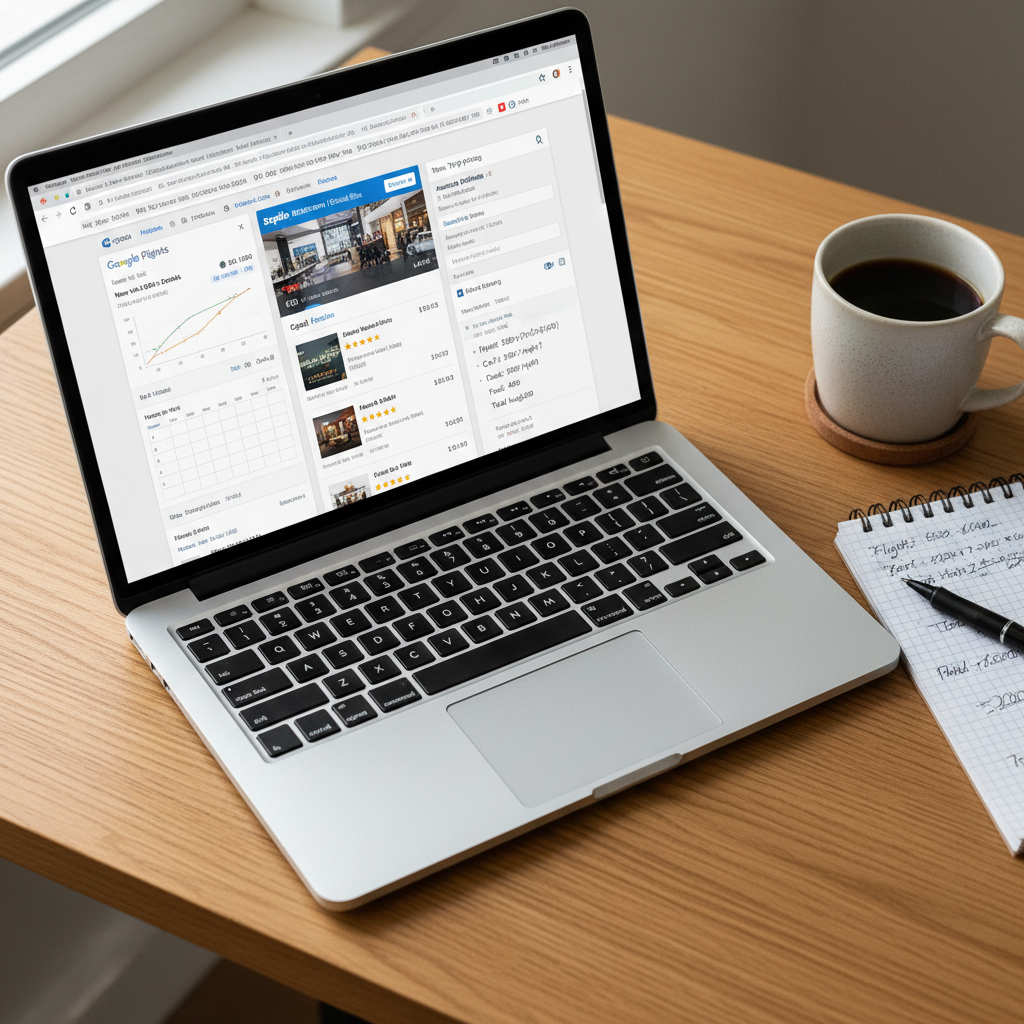
An AI agent booking travel doesn't operate under human constraints. It doesn't get tired. It doesn't accept "good enough".
When you tell an agent "book me the best value trip to Miami on 6/20", it searches:
- •Every airline flying to Miami (200+ route combinations)
- •Every possible date within your flexibility window
- •Every hotel property (thousands, all price points)
- •Every rental car option and vehicle type
- •Every combination of flight + hotel + car bundles
- •Factoring loyalty miles, status benefits, price drop probability
All in parallel. All in seconds.
Search depth: 50,000 to 200,000 permutations. Not 10-20. Fifty to two hundred thousand.
This isn't future speculation. In Q2 2026:
- •OpenAI's ChatGPT is testing travel agents that compare flights, hotels, and packages across all major OTAs.
- •Anthropic's Claude is being integrated into Expedia's platform to "find deals across all competitors".
- •Perplexity is building agents that crawl hotel reviews, airline schedules, and price history in real-time.
- •Google's Gemini agents are comparing travel prices across Google Flights, Hotels, and competitors.
How This Collapses Margins
The economic principle is straightforward: perfect information destroys margin.
When every traveler can see every option through an agent, pricing power evaporates. Airlines can't price discriminate on booking window. Hotels can't charge premiums for oceanfront rooms. Rental cars can't surge-price.
The margin equation inverts:
- Search depth: 5-10 options
- Information: Limited
- Pricing power: High
- Margin: 25-40%
- Search depth: 50,000+ options
- Information: Complete
- Pricing power: Zero
- Margin: 5-15%
The empirical evidence is already visible:
- •Booking.com Q2 2026: hotel commission rates dropped 180 basis points year-over-year. Agents are booking direct when direct beats OTA prices.
- •American Airlines Q1 2026: ancillary revenue (seat selection, baggage) fell 12%. Agents strip premium charges and book base fares.
- •Marriott Q2 2026: management cited "agent-driven price parity" as a headwind to premium pricing.
Airlines Are Already Crushed
Airlines felt agentic pressure first because flight pricing is simple to arbitrage. A flight from LAX to Miami on United is identical across all booking platforms. Same seat. Same aircraft. Same departure time. No differentiation.
Agents book the cheapest option instantly.
Airlines historically made 15-20% margin on tickets. Now that agents eliminate friction, margins are collapsing to 3-8% on most routes.
Delta and Southwest reported in Q1 2026 that agent-booked tickets represent 8-12% of online bookings, growing 40% month-over-month. Average fare: 12% lower than human-booked tickets.
Airlines are responding with:
- •Pulling inventory from OTAs (refusing Expedia/Booking to force direct bookings)
- •Exclusive agent partnerships (American Airlines partnering with Anthropic for preferred routing)
- •Launching internal agents (Southwest created an in-house agent to capture bookings first)
- •Direct-booking incentives (50% bonus miles for booking direct vs through agents)
None of these strategies work long-term because agents simply switch to whichever platform has the cheapest flight. The fundamental problem remains: agentic search makes price transparency infinite.
What This Means for Marketers
If you're marketing travel services, agentic AI isn't a new advertising channel. It's the collapse of your current business model.
When customers use agents:
- •Paid search becomes invisible (agents query databases, not Google)
- •Brand loyalty evaporates (agents optimize across competitors)
- •Margins deteriorate to commodity pricing
- •Direct relationships disappear (customer never visits your site)
If your travel brand competes on price, agentic AI is your existential crisis now. Your only alternative is to compete on experience, exclusivity, or in categories agents can't automate: group travel, corporate bookings, complex itineraries, adventure experiences.
Bottom Line
Travel is just the first industry to get restructured by agentic search. The pattern will repeat everywhere products are mostly identical, pricing is the primary decision factor, and customers have significant switching costs. Retail e-commerce, insurance, financial services, SaaS will follow. Anywhere information asymmetry made margins possible, agentic AI will compress them to single digits.
The travel industry's margin collapse is a live preview of what happens when AI eliminates the friction that made information asymmetry profitable.