Key Points
- 70% of consumers instantly recognize AI ads as fake, making volume a liability not an asset
- The problem isn't technical quality, it's the uncanny valley of authenticity that human creators bridge naturally
- Brands choosing AI speed over authentic storytelling are commodifying themselves into invisibility
- Winners are going backward, returning to human-made creative and authentic voice as competitive moats
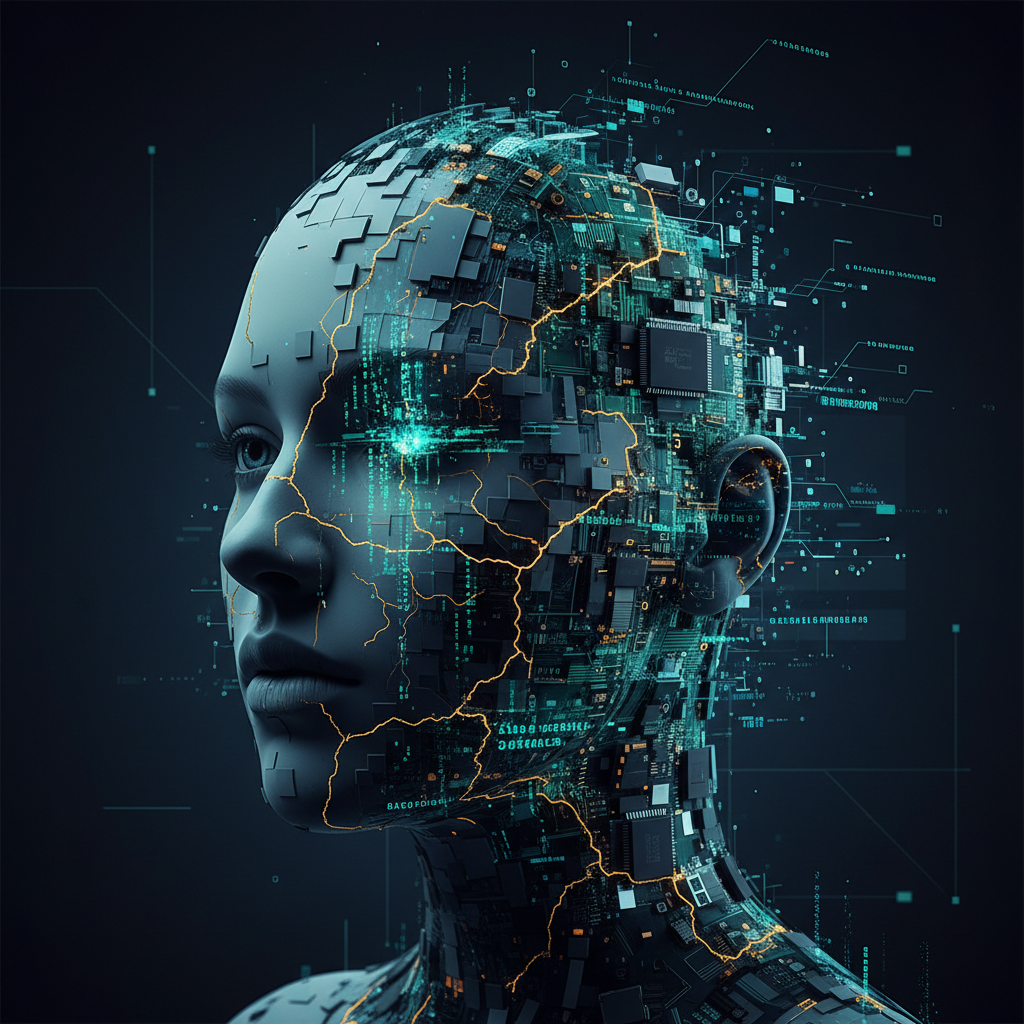
Canva just published a stat that should terrify every marketing exec betting on AI creative: 70% of people say they can spot AI ads because they're "missing their soul." Not because of technical flaws. Not because of pixel errors. Because something ineffably human is absent, and the audience feels it immediately.
The paradox nobody's talking about:
As AI tools get exponentially better at generating marketing content, audiences get exponentially better at identifying it as fake. The gap isn't closing. It's widening.
The Authenticity Tax
Why volume is killing conversion
This isn't about image quality or copy sophistication. Mid-journey and Runway have solved those problems. The issue is something deeper: authenticity is a social signal. When humans create something, they embed choice. Intention. Taste. Vulnerability.
AI operates at scale. It optimizes for "good enough for a million variations" rather than "perfect for one person." That's a fundamentally different creative act, and audiences detect the difference in milliseconds.
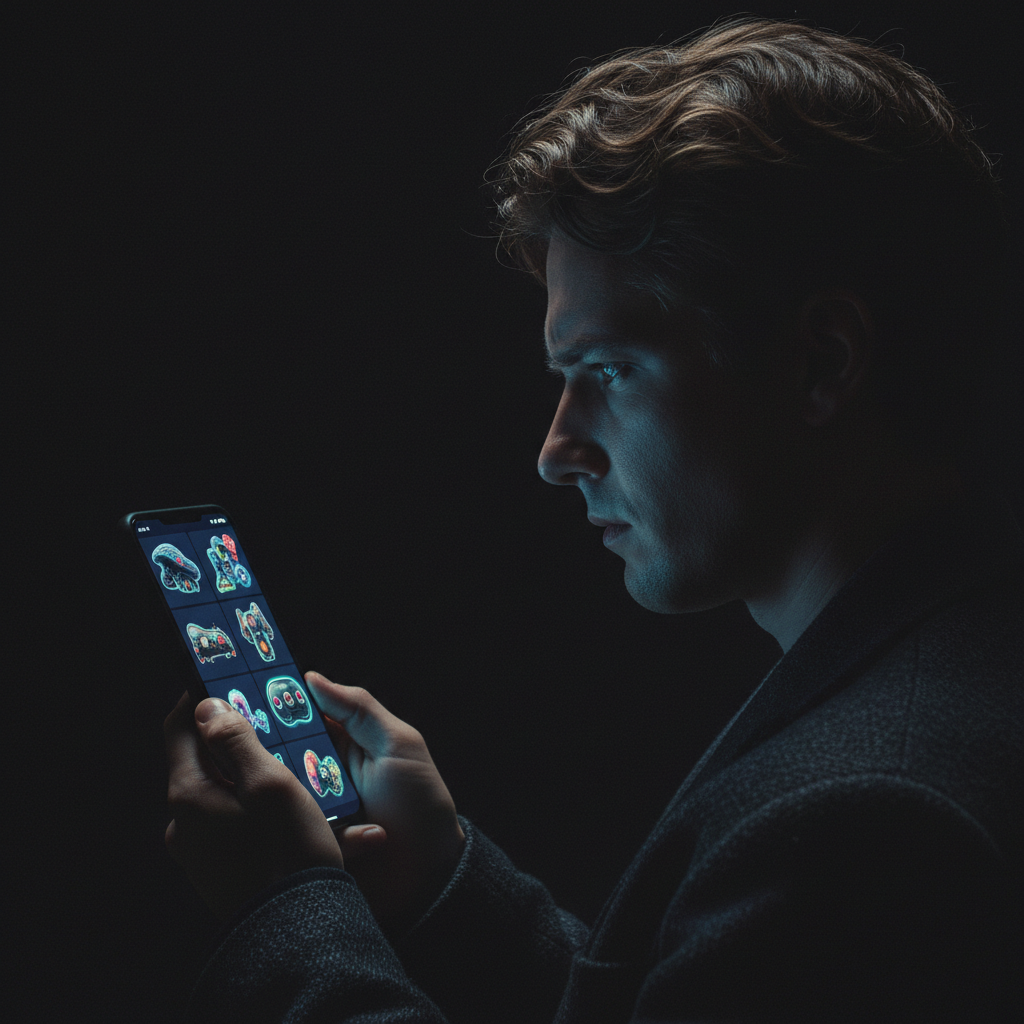
The brands that are winning right now are doing something counterintuitive: they're going backward. They're hiring creators. They're returning to unpolished, human-made content. They're amplifying employee voices instead of brand bots.
The New Creative Hierarchy
What audiences trust now
1. Unfiltered Human Content
Phone videos, candid shots, imperfect audio. The more "real," the more trustworthy. Brands like Patagonia and Everlane have weaponized this.
2. Creator-First Narratives
Stories told by actual people with skin in the game. Not third-person brand voice. Audiences know the difference and reward it with attention and conversion.
3. Crafted Imperfection
Expensive production with intentional rough edges. Not polished to sterility. This signals taste and confidence, not corporate constraint.
4. AI as a Tool, Not a Voice
Using AI for production efficiency (faster editing, color grading) while keeping human storytelling central. Never letting the tool become the author.
The Conversion Math
Marketers built their playbooks around "more content = more reach = more conversions." AI made the first two free. But it broke the third. 1000 AI ads convert worse than 10 human-crafted stories. Audiences have seen through the volume game.

What Winners Look Like Now
The new creative moat
The brands winning in 2026 aren't asking "how do we use AI to make more ads?" They're asking "how do we use AI to amplify human creativity?" There's a difference. One outsources authenticity. The other scales it.
Look at how CMOs are failing to prepare for this shift. They're still buying tools that promise "10x content production" when the market has already figured out that 10x garbage is still garbage.
The soul deficit in AI ads is revealing a truth about marketing that technology can never solve: people buy from people. Not from algorithms. Not from volume. From authenticity, taste, and voice. The best AI strategy isn't "use AI for everything." It's "use AI to make human creativity scale without losing what made it human."
The brands that crack this will own the next decade. The rest will disappear into the 70% nobody notices.
Stop chasing volume. Start building voice.
The winners are going human. The question is whether your brand will follow them.
Back to all posts